Latest
-

Real accountability means owning actions with courage and honesty, fostering growth over punishment. Women in social justice lead change through dialogue, calling in vs. calling out, and holding leaders accountable.
-

Centering marginalized women’s voices—especially Black, LGBTQ+, immigrant, and survivor leaders—shifts harm responses from punishment to healing, fostering accountability, dialogue, and safer, inclusive urban communities.
-

Build lasting community care by conducting needs assessments, establishing shared values, defining roles, using trauma-informed protocols, ensuring accountability with metrics and feedback, and fostering partnerships.
-

Respectability politics shifts blame from systemic injustice to individual behavior, perpetuating inequality. Addressing it requires recognizing systemic racism, challenging biased media, workplace code-switching, school discipline, and empowering diverse community voices.
-

Neutral language often conceals power imbalances, marginalizes women and people of color, and obscures accountability. Recognizing and challenging biased, coded language fosters equity, inclusive media literacy, and social justice.
-

Everyday language often embeds bias, reinforcing exclusion through coded terms and stereotypes. Mindful word choices, pronoun respect, and open dialogue foster inclusion and social justice awareness.
-
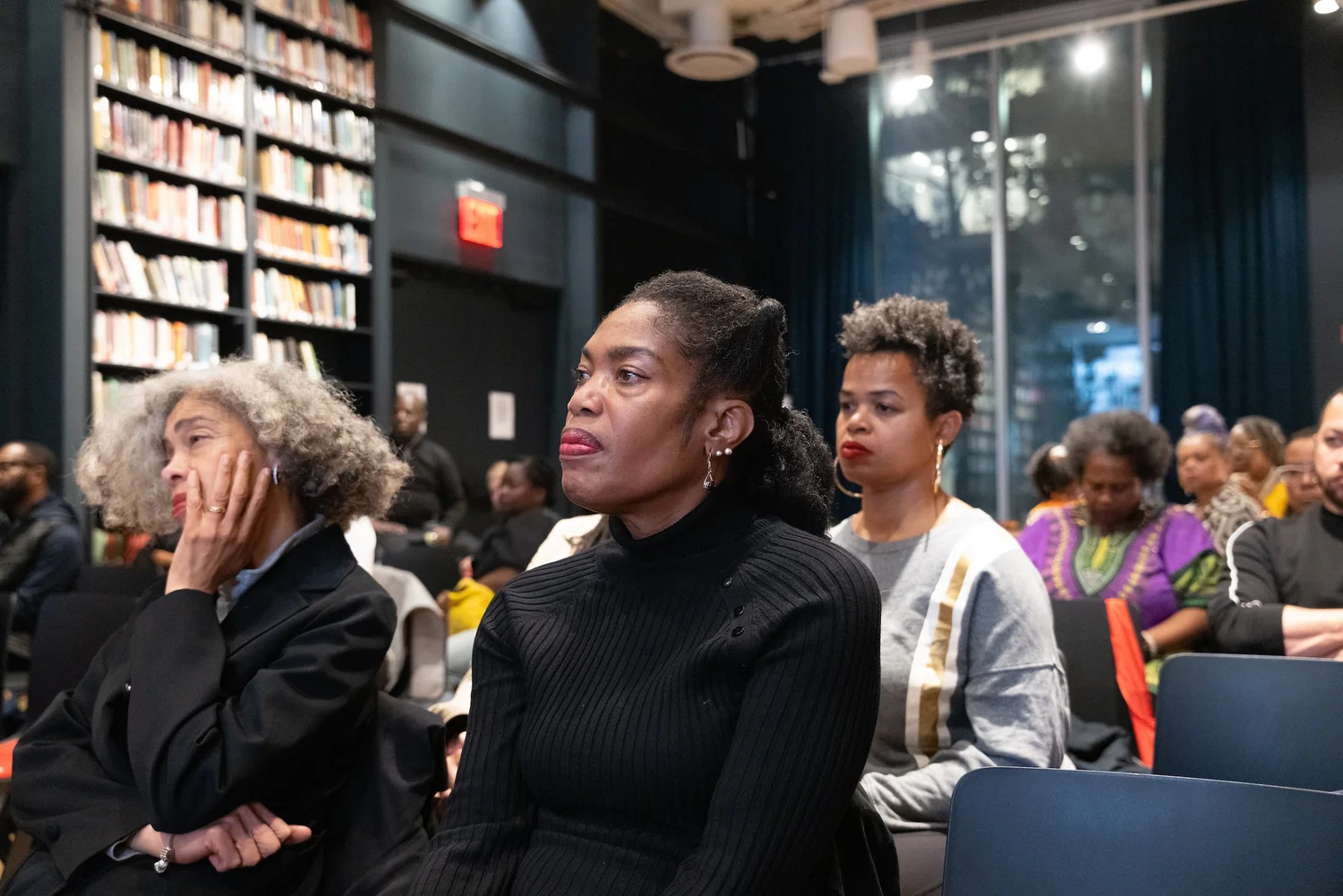
True allyship moves beyond performative gestures to consistent, impactful actions like educating, listening, amplifying marginalized voices, and engaging in community support, guided by Brooklyn Savvy’s Show Up Framework.
-

Respectability politics pressures women of color to conform, masking systemic injustice and shifting blame. Tone policing, code-switching, and stereotypes silence voices. Empowerment through leadership, discourse, and advocacy is key.
-
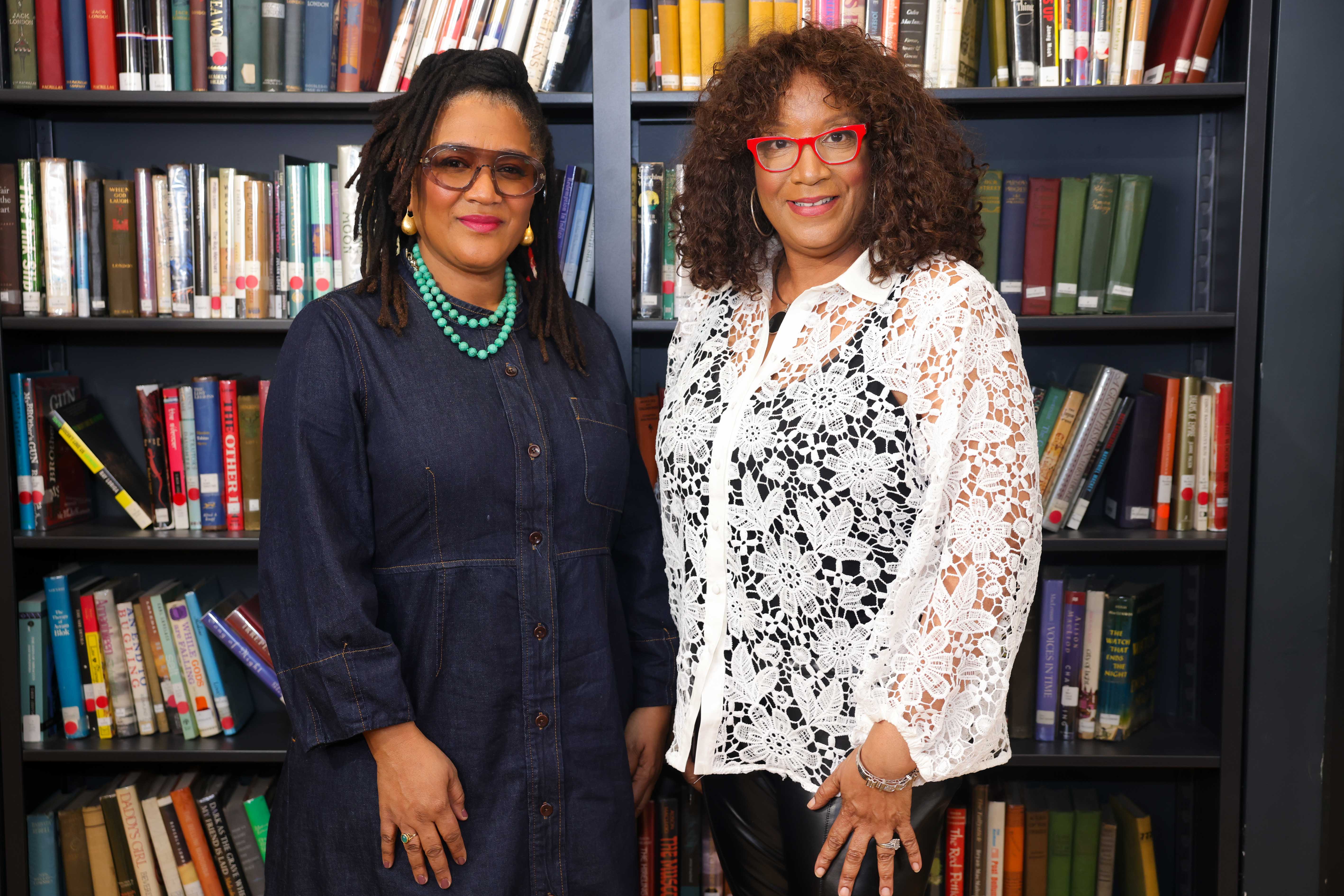
Emotional labor in equity-centered spaces disproportionately burdens women of color, often unpaid and unrecognized. Solutions include boundary setting, community care, psychological safety, and allyship to foster equity.
-

The document highlights the need to distinguish performative allyship from genuine activism by focusing on accountability, sustained action, amplifying women’s voices, community-led change, and DEI efforts, with Brooklyn Savvy fostering authentic social justice dialogue.