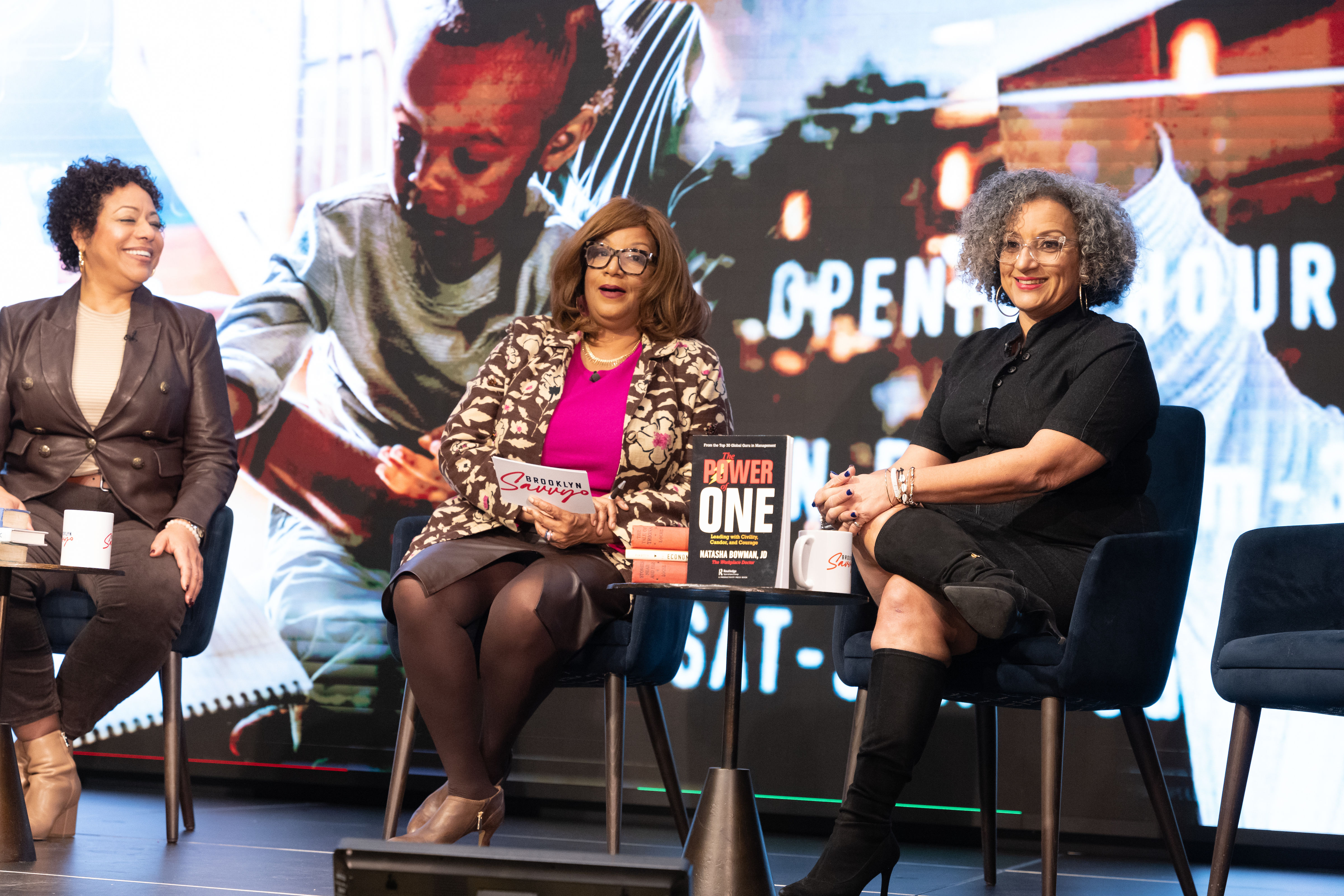
Community care isn’t just a hashtag or a feel-good slogan anymore. You’ve seen the gaps: good intentions without follow-through, burnout in grassroots spaces, and the same old talk with no real structure. It’s time to build care that lasts—accountable, trauma-informed, and rooted in the women’s perspective of urban communities. This post breaks down a clear, step-by-step framework to move from buzzwords to action, with tools and resources straight from Brooklyn Savvy’s panel discussion.
Building a Structured Care Model
Creating a community care model that truly serves and sustains urban communities requires a well-thought-out approach. It starts with understanding the needs of the people you’re aiming to help.
Listen and Learn: Needs Assessment
Start by listening. Reach out to the community, and ask what they need. Host local meetings or surveys to get this information. This isn’t about guessing; it’s about understanding what people actually want. For instance, if safety is a concern, focus on that. Collecting direct input helps you tailor your efforts effectively.
Once you gather this data, analyze it to find common themes. Are there particular issues that many people face? Use this insight to prioritize your actions. This ensures that your care model addresses the most pressing needs first. Listening actively builds trust and sets a strong foundation for future projects.
Shared Agreements: Values and Practices
Shared agreements help guide how you operate. They are the values and practices that everyone involved agrees to uphold. Start with a meeting to discuss these values, allowing everyone to contribute. This collaborative approach fosters a sense of ownership among participants.
Once established, document these values clearly. For example, if fostering inclusivity is a priority, outline how you plan to achieve this. Shared agreements create a unified direction and help maintain focus, even when challenges arise. They serve as a constant reminder of the core principles guiding your work.
Effective Resource Mapping
Efficiently utilizing resources is crucial for your community care model. Resource mapping helps identify what you have and what you need to secure.
Defining Roles and Governance
Define clear roles for everyone involved. This means outlining responsibilities and expectations. Are you appointing a leader or forming a committee? Make sure everyone knows their part. Clear roles prevent overlap and ensure tasks are completed efficiently.
Governance structures are equally important. Decide how decisions will be made and conflicts resolved. Will you vote or reach a consensus? Clear governance keeps the process fair and transparent, encouraging more people to participate.
Creating Trauma-Informed Protocols
Trauma-informed protocols recognize and address the impact of trauma on individuals and communities. Start by educating your team on trauma awareness. Host workshops that explain its effects and teach supportive practices.
Next, incorporate trauma-informed care into your operations. This might mean adjusting communication styles or creating safe spaces for discussions. Understanding trauma helps you respond with empathy and effectiveness, ensuring your care model truly supports those it aims to help. Check out the National Center for Biotechnology Information for more insights on trauma-informed approaches.
Ensuring Accountability and Sustainability

Accountability and sustainability are key to a lasting community care model. Let’s explore how to measure success and foster long-term growth.
Simple Metrics and Feedback Loops
Create simple metrics to measure your progress. These could be numerical, like the number of people served, or qualitative, like community feedback. Regularly review these metrics to assess your impact.
Feedback loops are essential. Ask for feedback consistently, and be open to making changes. This ongoing dialogue helps you refine your approach. According to Community Care Link, customizing technology solutions can enhance these feedback processes.
Training and Partnership Development
Training strengthens your team’s abilities. Offer regular workshops to enhance skills relevant to your care model. This not only improves service delivery but also keeps your team engaged and motivated.
Partnerships expand your reach. Collaborate with local organizations or experts who align with your values. These partnerships bring new resources and ideas, helping your community care model grow and adapt over time. For strategies on building strong community partnerships, NCOA’s guide is a great resource.
Frequently Asked Questions
What is the first step in building a community care model?
The first step is conducting a needs assessment. By gathering input directly from the community, you can tailor your efforts to address the most pressing issues effectively.
How can trauma-informed care benefit community projects?
Trauma-informed care leads to more empathetic and effective support. By understanding the effects of trauma, your team can better address the needs of individuals and promote healing.
Why are shared agreements important in community care?
Shared agreements ensure everyone is on the same page. They outline core values and practices, providing a unified direction and fostering a sense of ownership among participants.
How do you ensure accountability in community projects?
Accountability is ensured by setting clear metrics and seeking regular feedback. This helps track progress and make necessary adjustments to improve impact.
What role do partnerships play in community care?
Partnerships enhance resources and ideas, allowing your community care model to grow and adapt. Collaborative efforts bring diverse perspectives and strengthen your overall impact.


Leave a Reply