Emotional labor is the quiet weight many women of color carry in equity-centered communities, yet it rarely gets named or paid. You’re juggling community care, boundary setting, and activist wellness while facing DEI fatigue that drains your strength. This post breaks down how unpaid labor becomes the norm, offers tools to reclaim your time and energy, and invites you to join Brooklyn Savvy’s conversation on sharing this load. Keep reading to find out how rest becomes resistance and collective care creates real change.
Unpacking Emotional Labor Costs
The Burden on Women of Color
Emotional labor often falls on women of color, adding layers of stress to their lives. This burden includes managing community expectations and confronting daily challenges. Imagine dealing with microaggressions while also being expected to provide support to others. The weight is heavy, yet frequently unrecognized. Women of color often find themselves balancing activism and personal wellness, a task that is both demanding and draining. This unpaid work impacts mental and physical health, making it vital to address.
The expectations placed on these women can lead to burnout, affecting their ability to perform in various areas of life. It’s like running a marathon without any rest or acknowledgment. This continuous demand for emotional support takes a toll, making it crucial to highlight and address these issues. By recognizing the burden, we can begin to find solutions that offer relief and support.
Normalization in Equity-Centered Spaces
In spaces focused on equity, emotional labor becomes normalized, creating a cycle that’s hard to break. You might notice how leadership often assumes that women will handle emotional tasks without question. This expectation leads to a culture where such labor is invisible and unappreciated. By not naming or compensating this work, these communities inadvertently perpetuate inequality.
This cycle needs to be disrupted to create truly equitable spaces. When emotional labor is unrecognized, it can lead to resentment, frustration, and a sense of being undervalued. Recognizing and naming this labor is the first step towards change. By doing so, we can begin to shift the dynamics in equity-centered spaces, making them more inclusive and supportive for everyone involved.
The Unpaid Labor Dilemma
Unpaid emotional labor is a dilemma that many face but few discuss openly. It’s like an unpaid job with no benefits, yet it’s essential to the functioning of many organizations and communities. Women often bear the brunt of this work, providing emotional support and guidance without recognition or compensation. This dilemma not only affects individuals but also the health of communities as a whole.
The lack of compensation for emotional labor leads to a feeling of being taken for granted. It’s important to highlight this issue, as it affects the morale and well-being of those involved. By addressing the unpaid labor dilemma, we can work towards fairer practices that recognize and compensate emotional work appropriately.
Tools for Redistribution and Recognition
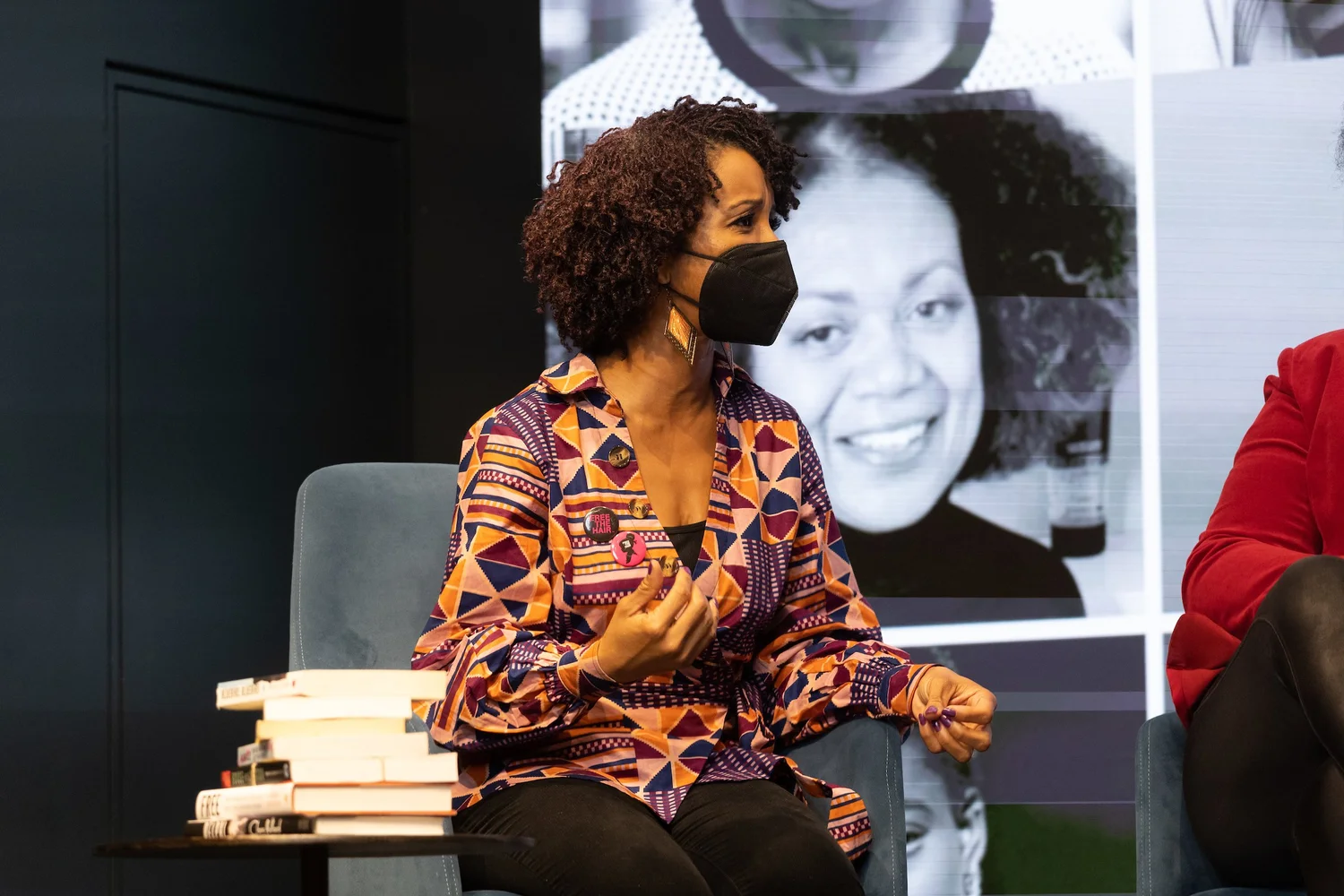
Resourcing Community Care
Creating resources for community care is crucial to alleviating the burden of emotional labor. Imagine a world where support systems are in place to provide relief and recognition. This involves setting up networks that offer assistance and acknowledgment for the work being done. Creating a culture that values and supports community care can lighten the load for those who often bear it alone.
By resourcing community care, we change the narrative and support those who give so much of themselves. Offering tangible resources and support can help redistribute the emotional labor more equitably within communities. This is essential for building sustainable practices that benefit everyone.
Strategies for Boundary Setting
Setting boundaries is key to managing emotional labor. Knowing when to say no and protecting your time and energy is crucial. You might feel guilty for setting limits, but it’s necessary for your well-being. Boundaries allow you to prioritize self-care and prevent burnout. They are not just a defense mechanism but a means to preserve your mental health and energy.
Learning to say no is empowering and necessary. It’s a way to reclaim your time and ensure that you’re not overextending yourself. By setting boundaries, you can manage your emotional labor more effectively, ensuring that you have the energy to focus on what truly matters.
Fostering Psychological Safety
Psychological safety in communities encourages open dialogue and support. When you feel safe to express concerns without fear of judgment, it can alleviate the burden of emotional labor. This environment allows for honest conversations about needs and boundaries, creating a supportive community where everyone’s emotional labor is recognized and appreciated.
Fostering psychological safety involves creating spaces where everyone feels heard and valued. It’s about building trust and ensuring that emotional labor is acknowledged and shared among community members. This approach can lead to healthier, more supportive environments that recognize the contributions of everyone involved.
Call to Action with Brooklyn Savvy

Engaging with Social Justice Conversations
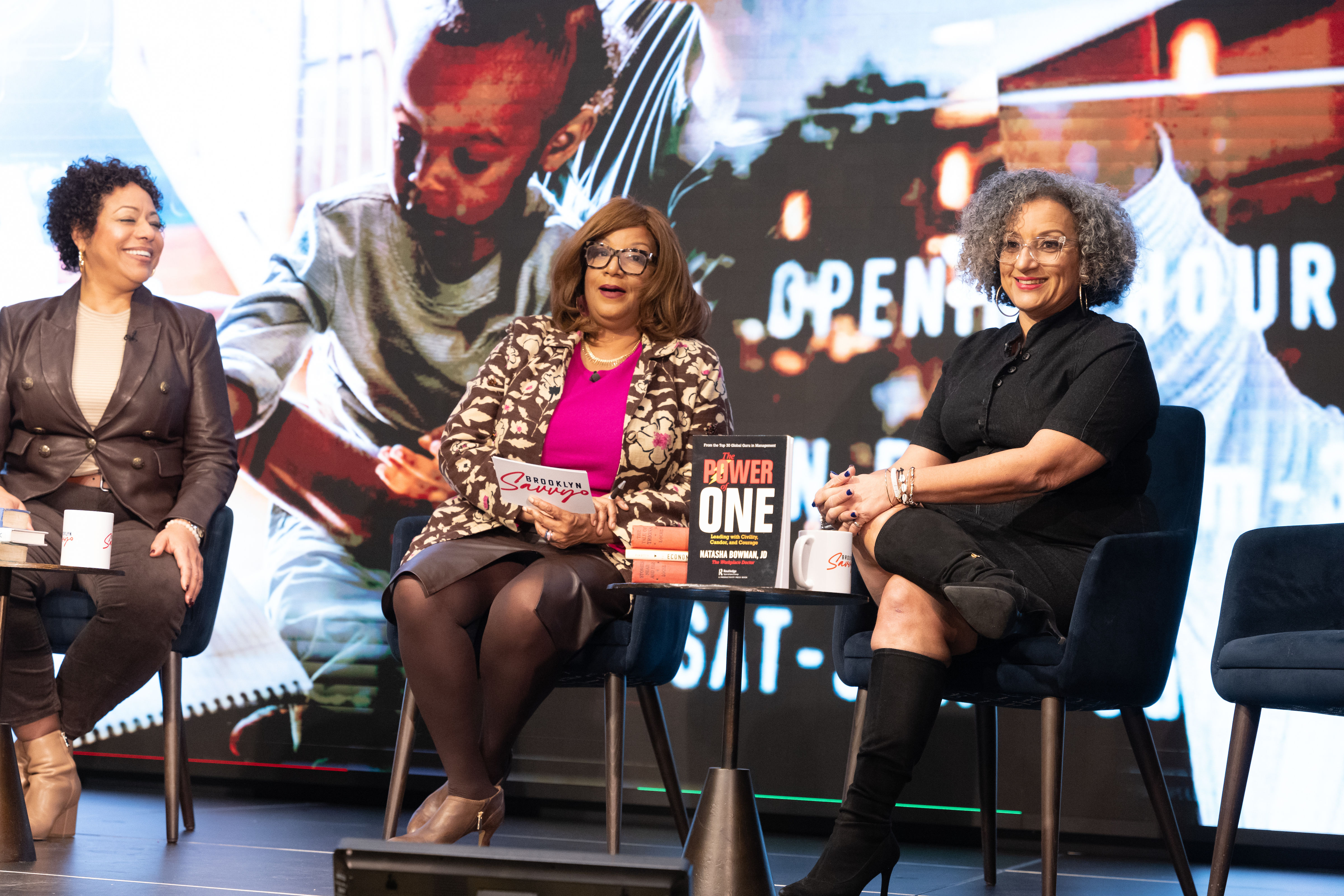
Join Brooklyn Savvy in exploring social justice topics that matter to you. Our discussions dive into the heart of issues affecting marginalized communities. Engaging with these conversations can provide new insights and perspectives that empower you to make a difference. It’s an invitation to be part of a dialogue that inspires change and action.
Supporting Collective Care Initiatives
Support collective care initiatives to foster a sense of community and shared responsibility. By participating in these efforts, you contribute to a culture that values and recognizes emotional labor. Collective care is about coming together to support one another, ensuring that no one bears the burden alone. It’s a step towards creating sustainable practices that benefit everyone.
Amplifying Voices with Allyship 🎤
Allyship amplifies the voices of those often unheard. By standing in solidarity, you can help bring attention to the emotional labor carried by women of color. It’s about using your platform to highlight their experiences and advocate for change. Allyship involves listening, learning, and taking action to support those who are often overlooked.
Frequently Asked Questions
What is emotional labor?
Emotional labor involves managing emotions to fulfill the emotional needs of others, often without recognition or compensation. It’s commonly shouldered by women, particularly in equity-centered communities.
How can we support women of color in managing emotional labor?
Supporting women of color involves recognizing and valuing their contributions, providing resources for community care, and fostering environments that encourage open dialogue and psychological safety.
Why is boundary setting important in managing emotional labor?
Boundary setting is crucial for preventing burnout and maintaining mental health. It allows individuals to prioritize self-care by managing their time and energy effectively, ensuring they are not overwhelmed by emotional demands.
What role does allyship play in addressing emotional labor?
Allyship plays a vital role by amplifying the voices of those who often go unheard. It involves advocating for recognition and change, supporting women of color by acknowledging their emotional work and advocating for equitable practices.


Leave a Reply