Real accountability doesn’t wait for the perfect moment. When the room isn’t ready, it sounds like honesty wrapped in courage—and maybe a little discomfort. If you want to learn how to hold leaders accountable without losing your voice or your peace, Brooklyn Savvy’s latest episode breaks down exactly what that looks like. Get ready to flip the script on community accountability and hear women in social justice speak their truth. For more insights, you can explore tips on how to have accountability discussions that inspire.
Understanding Real Accountability
Embarking on a journey to grasp real accountability reveals layers of truth and courage. This exploration not only challenges conventional understanding but also inspires transformative dialogues among women in social justice.
Defining True Accountability
True accountability means owning up to actions without waiting for others to point them out. It’s about facing discomfort and embracing the truth. When you hold yourself accountable, it sets a precedent for others to follow. Many believe accountability is just about punishment, but it’s more about growth and learning. Real accountability leads to progress and improvement. In a world where avoiding blame is common, being accountable becomes a powerful, transformative act.
Women in Social Justice
Women have been at the forefront of social justice movements for decades. Their unique perspectives and resilience shape the fight for equity and inclusion. Women in social justice don’t just talk about change; they live it every day. They tackle issues head-on, often challenging societal norms. By sharing their stories, they inspire others to take action. Their commitment highlights the importance of diverse voices in creating lasting change.
Calling In vs Calling Out
Knowing when to call someone in versus calling them out can make all the difference. Calling in focuses on educating and inviting someone to learn, whereas calling out is about holding someone accountable publicly. Both methods have their place, but calling in can often lead to deeper understanding and change. When you call someone in, you open the door to dialogue. This approach can transform hostility into cooperation, fostering a more inclusive environment.
Strategies for Resistant Rooms

Now, let’s dive into strategies to navigate spaces that resist accountability. These tactics are essential for maintaining your voice and fostering meaningful change.
Practical Scripts for Tough Spaces
Walking into a resistant room can be daunting, but preparation is key. Start with a simple script: “I understand this may be uncomfortable, but let’s talk about what happened and how we can move forward.” This sets a tone of openness and readiness to engage. Remember, clarity and empathy go a long way. You’re not there to blame, but to encourage growth and understanding. When you use a script, it helps keep emotions in check, making it easier to stay on track.
How to Facilitate Hard Conversations
Facilitating hard conversations requires patience and strategy. Start by creating a safe environment where everyone feels heard. Encourage open dialogue by asking open-ended questions like, “How do you feel about this situation?” Listen actively and avoid interrupting. It’s crucial to acknowledge feelings and validate experiences, even if you disagree. Use tools like reflection to ensure understanding. For more tips, check out this resource on accountability conversations.
Public Apology Checklist
When a public apology is necessary, follow these steps: 1) Acknowledge the mistake clearly. 2) Explain what happened without making excuses. 3) Express genuine remorse. 4) Outline the steps you’re taking to prevent a repeat. 5) Offer amends if possible. Apologizing publicly can be intimidating, but it’s a vital part of accountability. A sincere apology can mend relationships and rebuild trust. Remember, it’s not just about saying “sorry”—it’s about making things right.
Empowering Community Dialogue

Empowering dialogue within communities leads to healing and growth. Discover how Brooklyn Savvy’s approach fosters understanding and change.
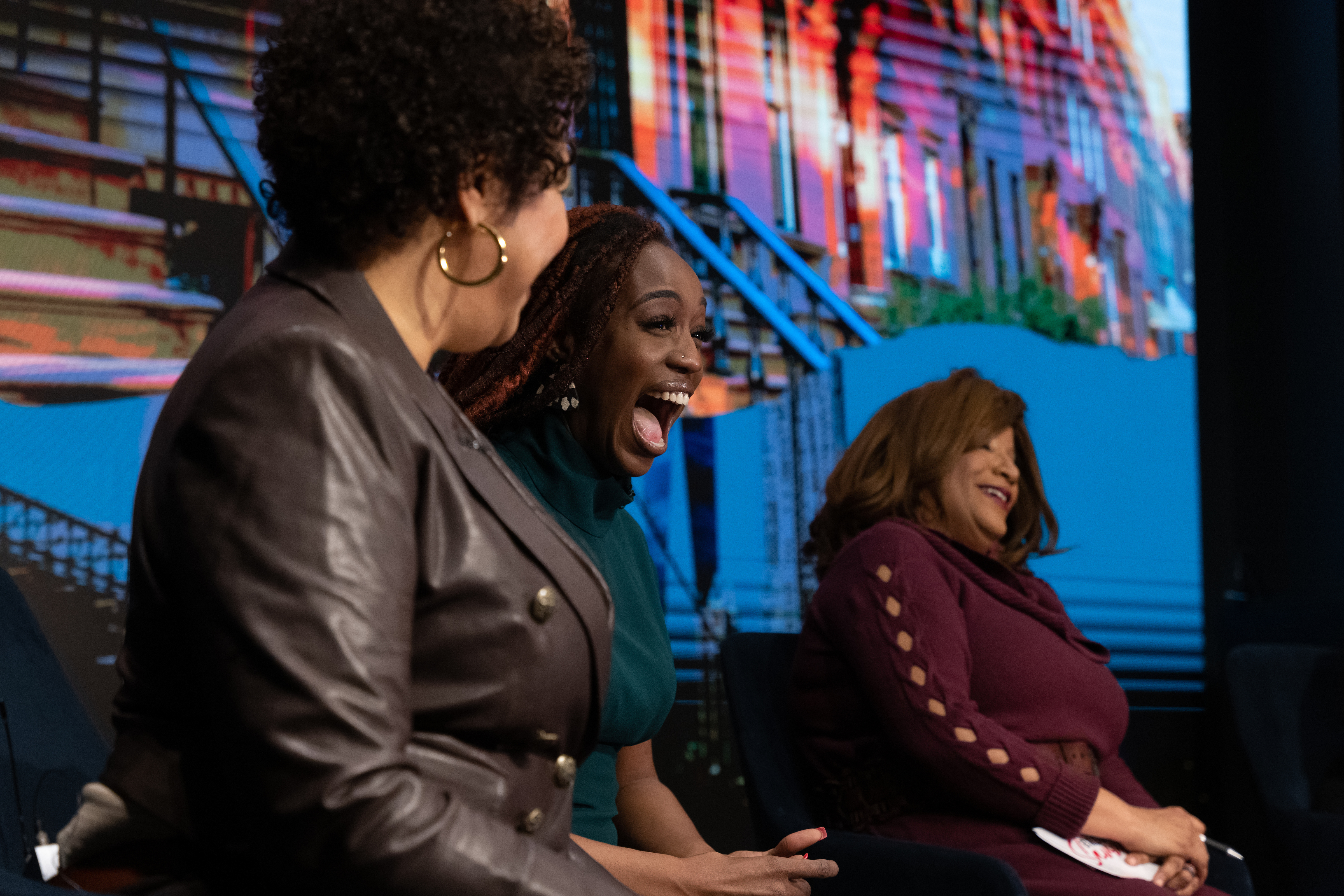
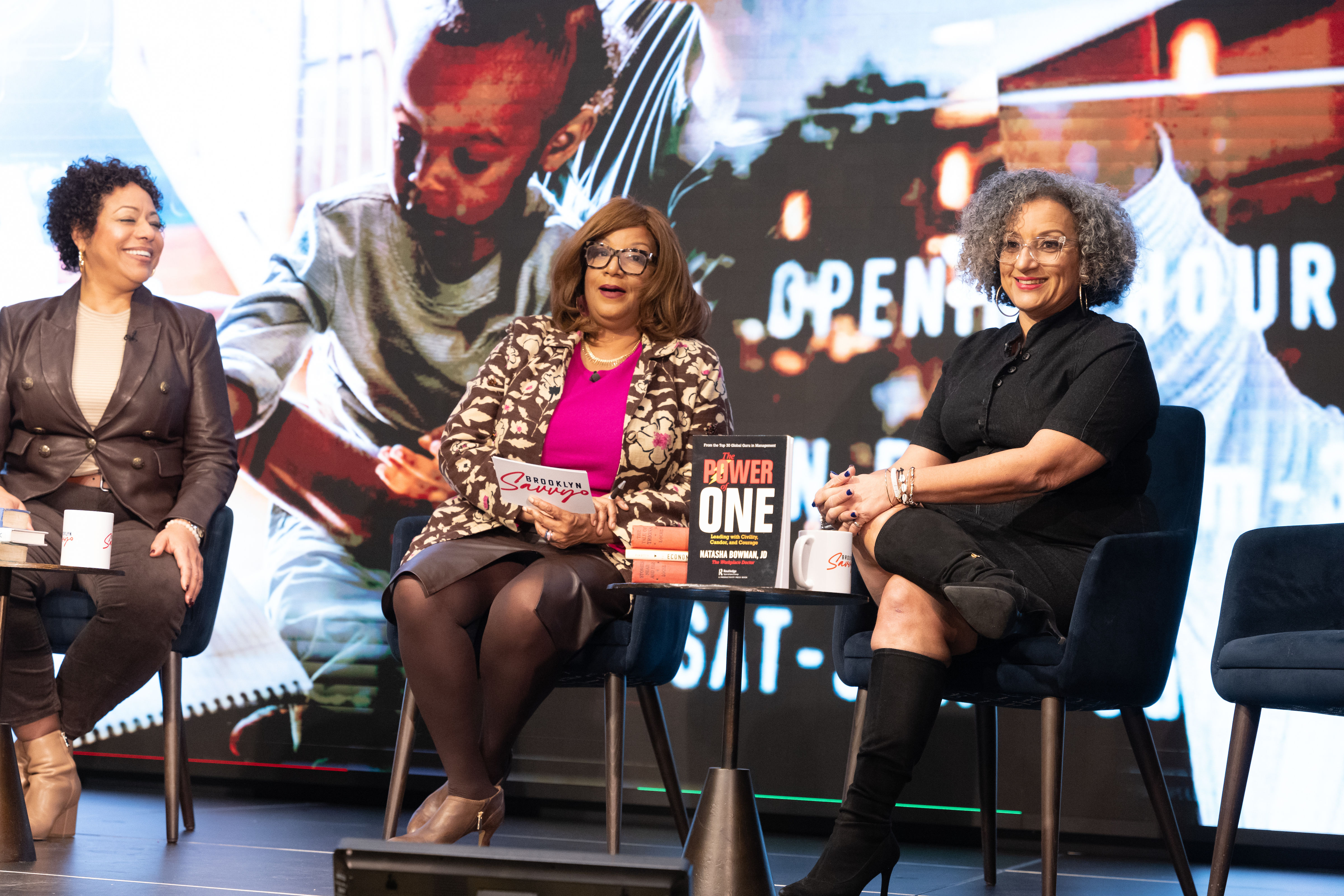
Brooklyn Savvy’s Diverse Panel Discussion
Brooklyn Savvy hosts diverse panels that tackle pressing social issues from a woman’s perspective. These discussions break down complex topics, making them accessible and engaging. By featuring a variety of voices, Brooklyn Savvy ensures a rich, multifaceted conversation. Each panelist brings unique insights, contributing to a comprehensive understanding of the issues at hand. To learn more about their approach, check out Brooklyn Savvy’s tactics for engaging discussions.
Urban Community Dialogue and Healing
Urban communities thrive on dialogue that promotes healing and understanding. Facilitating such conversations requires sensitivity and inclusivity. Start by identifying common goals and acknowledging shared experiences. Encourage active listening and respectful exchanges. Healing occurs when people feel seen and heard. By fostering open dialogue, communities can address underlying issues and work towards collective solutions. Remember, healing is a journey, not a destination.
How to Hold Leaders Accountable
Holding leaders accountable is critical for effecting change. Start by clearly defining expectations and responsibilities. Use clear, respectful communication to address any discrepancies. Follow up consistently to ensure accountability is maintained. Remember, accountability is a two-way street—leaders must be willing to listen and act upon feedback. By holding leaders accountable, you set a standard that inspires others to do the same. For more insights, explore how to effectively hold leaders accountable.
Frequently Asked Questions
What is real accountability?
Real accountability involves taking responsibility for one’s actions and being open to growth and learning. It focuses on improvement rather than punishment.
How can I hold leaders accountable?
To hold leaders accountable, clearly define expectations, communicate any issues respectfully, and follow up consistently. It requires open dialogue and mutual willingness.
What is the difference between calling in and calling out?
Calling in invites someone to learn and grow in a supportive way, while calling out holds someone accountable publicly. Both have their place, depending on the situation.
Why are women important in social justice?
Women bring unique perspectives and resilience to social justice, often leading the charge for equity and inclusion. Their voices inspire change and challenge societal norms.
How can I facilitate hard conversations?
Facilitate hard conversations by creating a safe environment, encouraging open dialogue, and listening actively. Acknowledge feelings and use tools like reflection to ensure understanding.
By exploring these concepts, you can better understand the dynamics of accountability and foster meaningful change within your community. 🎤✨💬

Leave a Reply