Everyday words don’t just fill silence—they build walls. When phrases slip by unchecked, they teach us to accept exclusion as normal. You’ll see how bias in language shows up in places you never expected and learn quick swaps that create belonging at work and beyond. Let’s cut through coded language and dog whistles in media together—because your words hold power. Check out this study to see how language impacts social inclusion.
Everyday Language and Exclusion
Our words shape the world around us. They can unite or divide, include or exclude. Let’s uncover how the language we use every day can unknowingly support exclusion.
Coded Language and Dog Whistles
Coded language and dog whistles hide bias in plain sight. They are subtle phrases that carry hidden meanings, often signaling exclusion. When someone uses coded terms, it might seem harmless, but it often signifies a deeper bias. For example, when you hear “urban” used in certain contexts, it might imply racial connotations. The aim is not to silence speech but to make you aware of how these words impact others. Recognizing these terms is the first step to stopping their negative effects. You can read more about the hidden power of language in this article.
Racialized and Gendered Language
Language often reflects societal biases, especially when it comes to race and gender. Everyday phrases can carry racial undertones or reinforce gender stereotypes. When you hear someone say “man up,” it suggests that showing emotions is weak. Similarly, phrases like “thug” or “ghetto” often carry racialized meanings. Understanding these implications helps in avoiding language that alienates. By choosing words carefully, you help build a more inclusive environment.
Bias in Common Phrases
Common phrases can hold surprising biases. Many of us use terms without realizing their impact. Expressions like “crazy” or “lame” might seem innocuous but are rooted in ableism. Such terms can marginalize those with disabilities. By noticing and altering our language, we create spaces where everyone feels valued. The more aware we are, the more mindful our communication becomes.
Building Inclusive Communication

Creating inclusivity in communication doesn’t require grand gestures, just mindful choices. Let’s explore simple swaps and habits that foster belonging.
Simple Language Swaps for Belonging
Small changes in our language can make a big difference. Swap out exclusionary terms for inclusive ones. Instead of saying “guys,” try “everyone” or “folks.” These swaps show that you value everyone equally. When speaking, think of who might feel left out. Making these changes shows empathy and respect for all voices.
Promoting Pronoun Respect
Using the right pronouns is a key part of inclusive language. Ask about and respect people’s pronouns—it shows care for their identity. If you make a mistake, correct it and move on. It’s a learning process for everyone. Respecting pronouns is not just about being polite; it’s about affirming someone’s identity and worth. As you practice, you’ll find it becomes second nature.
Inclusive Communication Tips
Here’s the key insight: inclusive communication is about awareness and intention. Listen actively and think before speaking. Reflect on whether your words might hurt or exclude. Encourage open dialogue by inviting different perspectives. You’ll find that mindful communication enriches interactions and builds stronger connections.
Sparking Dialogue and Community Action

Talking about social justice starts with meaningful conversations. Let’s see how you can initiate discussions and make a difference.
Conversation Starters for Social Justice
Starting a conversation about social justice can be challenging. Begin with open-ended questions like, “What does equity mean to you?” This invites diverse viewpoints and encourages sharing. You don’t need all the answers to talk about social issues; sometimes, just listening can be powerful. Use these discussions to learn and grow together.
Engaging Urban Communities
Urban communities thrive on shared experiences and mutual support. Join local groups focused on social justice, or create your own. Engage through platforms like Reddit where discussions about language and exclusion are frequent. These spaces are perfect for exchanging ideas and learning from each other.
Brooklyn Savvy’s Role in Change 🌟
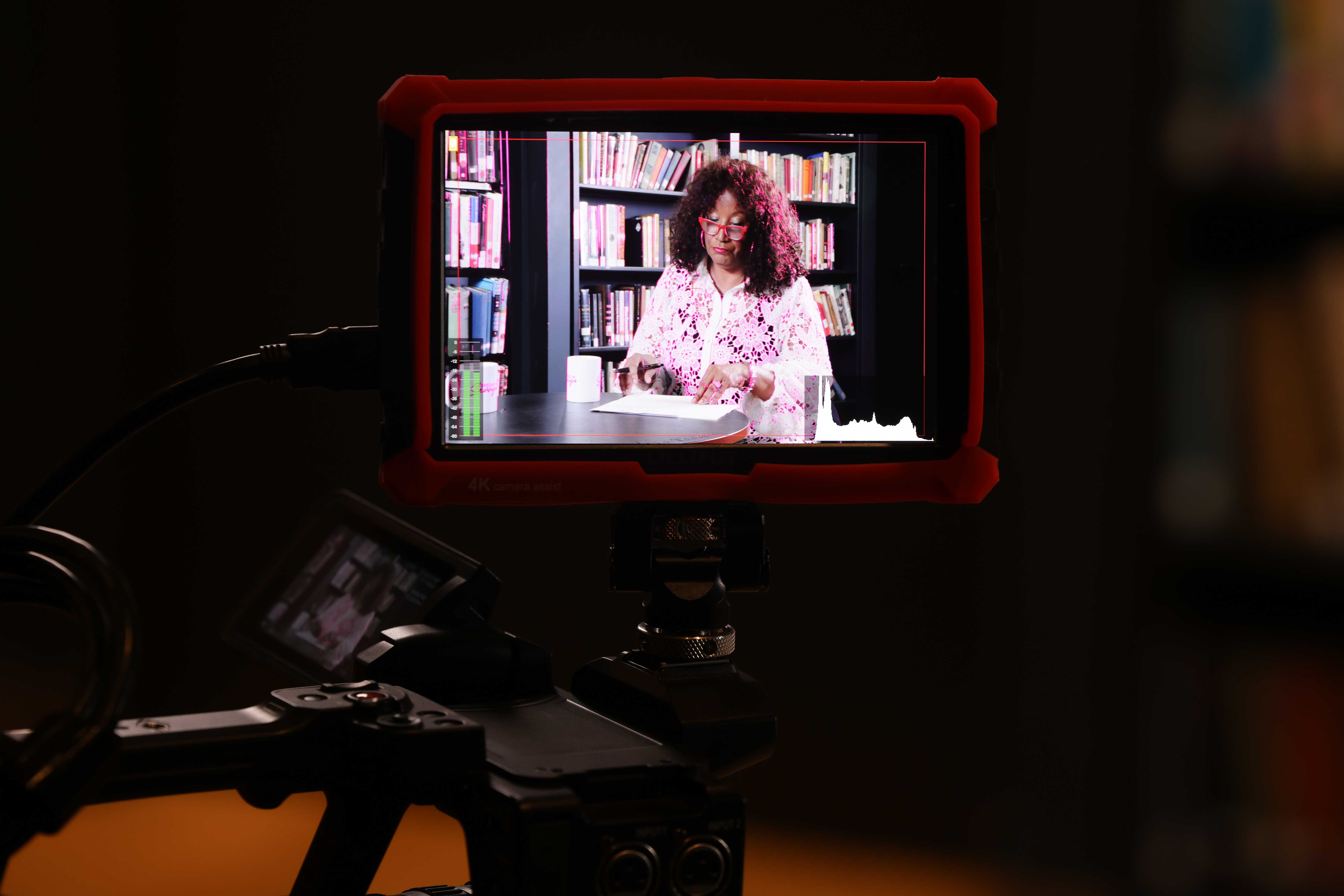
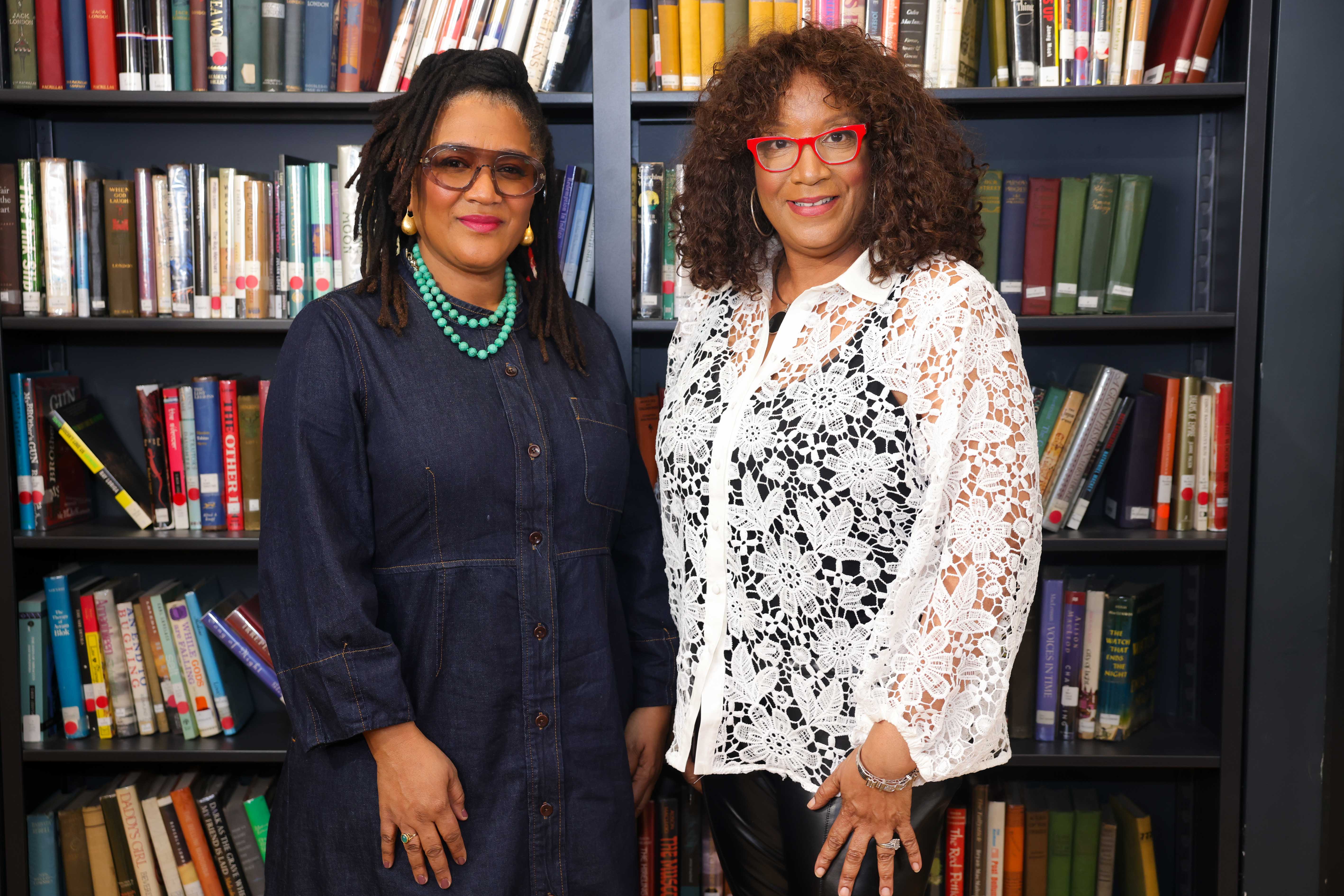
Brooklyn Savvy plays a crucial role in driving social change. With its dynamic discussions led by Toni Williams, the show challenges norms and invites viewers to think deeper. It’s not just a show—it’s a movement. Brooklyn Savvy empowers you to take action and encourages conversations that matter. Watch, engage, and let your voice be heard.
Frequently Asked Questions
What is coded language?
Coded language involves words or phrases that carry a hidden bias, often targeting specific groups. It’s subtle but can reinforce stereotypes or exclusion.
How can I make my language more inclusive?
Focus on using gender-neutral terms and respect personal pronouns. Avoid phrases with negative connotations related to race, gender, or ability.
Why is pronoun respect important?
Using the correct pronouns affirms someone’s identity. It shows respect and creates an inclusive environment where everyone feels valued.
How do I start a conversation on social justice?
Start with open-ended questions and be ready to listen. You don’t need all the answers; your willingness to learn and engage is what counts.
What role does Brooklyn Savvy play in social justice?
Brooklyn Savvy uses its platform to highlight social issues through dynamic discussions. It encourages dialogue, awareness, and action on important topics.

Leave a Reply