Community care isn’t just a feel-good idea—it’s a powerful tool that keeps us safe in ways community control never can. You’ve seen how policing and surveillance often fail to protect, especially in urban neighborhoods where women’s voices get drowned out. This post breaks down the real difference between mutual aid and gatekeeping, giving you clear examples and actions to take right now. Ready to rethink safety and join a movement that centers collective care? Read more about it here.
Understanding Community Care
Community care offers a fresh perspective on safety, focusing on empowerment and healing. This stands contrary to traditional methods of control, which often miss the mark in urban environments.
Mutual Aid and Collective Care
Mutual aid represents community care’s heartbeat. It’s about neighbors helping neighbors, offering resources and support without bureaucracy. Imagine a community where everyone chips in: sharing meals, offering rides, or pooling funds for emergencies. This isn’t just charity—it’s a radical act of solidarity. When you engage in mutual aid, you’re not just a helper, but a vital part of a community network. This approach thrives on trust and cooperation, fostering resilience.
Collective care goes beyond one-on-one help. It’s about creating systems where everyone feels valued. By organizing around shared goals, communities can tackle issues like food insecurity and housing. Collective care turns the focus from what individuals lack to what communities can accomplish together.
Healing Through Restorative Justice
Restorative justice emphasizes healing over punishment. Instead of isolating individuals, it brings people together to mend harm. This process creates space for accountability and understanding. Imagine a circle where everyone has a voice: the harmed, the responsible, and the community. Through dialogue, parties work towards solutions that repair relationships. This isn’t just theory—it’s a proven way to reduce recidivism and build trust. By focusing on healing, restorative justice offers a path to a safer, more connected community.
Exploring Community Control
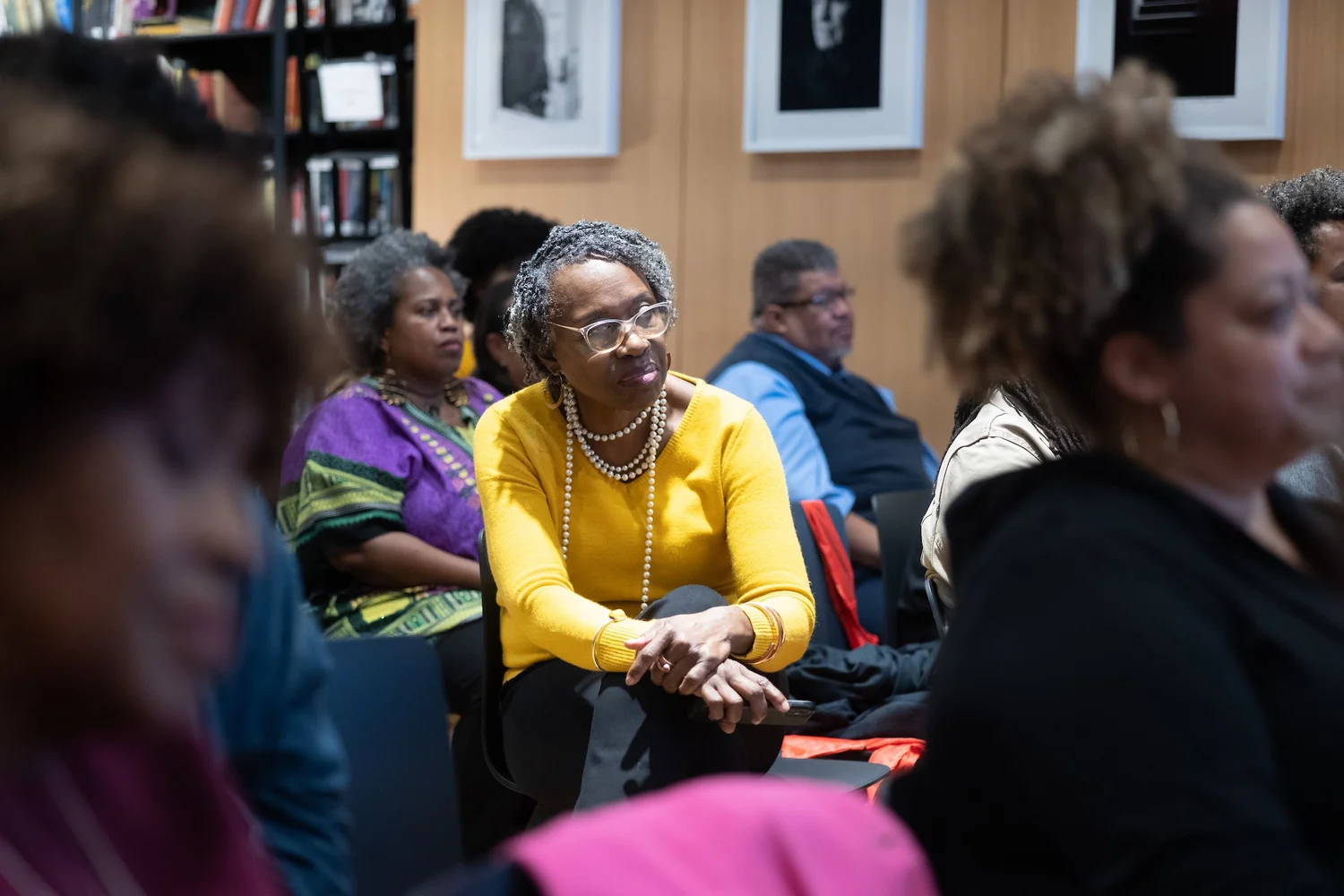
While community care seeks to empower, community control often revolves around monitoring and restriction. This approach can sometimes create more problems than it solves.
Surveillance and Policing
Surveillance and policing are often touted as solutions to crime. However, these methods can lead to more harm than good. Policing frequently targets marginalized communities, exacerbating tensions. Surveillance can erode trust, making residents feel watched rather than protected. These tactics often fail to address root causes of crime like poverty and lack of opportunity. Instead of fostering safety, they can create fear and division.
Gatekeeping in Urban Communities
Gatekeeping restricts access to resources and spaces, often reinforcing existing inequalities. It can manifest in housing policies, school admissions, or even community programs. When gatekeepers decide who belongs and who doesn’t, it limits the potential for genuine community building. In urban areas, this can lead to exclusion and resentment. True safety comes from inclusion and access, not barriers.
Shifting Safety Paradigms

Rethinking safety means embracing new leaders and strategies. Women and grassroots movements are at the forefront of this shift.
Women in Social Justice Leadership
Women are leading the charge in social justice, offering fresh perspectives and solutions. They often bring empathy and collaboration to the table, essential for creating inclusive communities. Women leaders prioritize listening and relationship-building, ensuring diverse voices are heard. By championing these leaders, we open doors to innovative approaches to safety.
Public Safety Alternatives and Actions 🎯
There are numerous alternatives to traditional policing that communities can adopt:
-
Community Mediation: Facilitate conversations to resolve conflicts without police intervention.
-
Youth Programs: Offer mentorship and activities, reducing crime by providing opportunities.
-
Mental Health Support: Provide accessible services to address underlying issues.
These actions require community involvement and commitment. The longer we cling to outdated models, the more we miss out on these transformational opportunities.
Frequently Asked Questions
What is mutual aid?
Mutual aid involves community members supporting each other through shared resources and efforts. It’s about collaboration, not charity.
How does restorative justice work?
Restorative justice focuses on healing and reconciliation. It involves dialogue among all parties to understand harm and agree on steps to repair it.
Why are women important in social justice leadership?
Women bring unique perspectives and skills like empathy and collaboration, crucial for developing inclusive and effective community strategies.



Leave a Reply