Language bias decides who gets heard and who stays silent in social justice spaces. If you’ve ever felt the sting of tone policing or the pressure to code-switch just to be taken seriously, you’re not alone. This isn’t about manners—it’s about a credibility gap that weighs heaviest on Black women and marginalized voices. Let’s break down how word choice, accent bias, and so-called professionalism gatekeep truth—and arm you with tools to flip the script in real time. Learn more about language justice in social movements here.
Language Bias in Social Justice
Language is a powerful tool that shapes who gets believed in social justice spaces. Many encounter barriers due to tone policing, accent bias, and professionalism bias. Let’s explore how these dynamics affect credibility.
Tone Policing and Credibility
Ever been told to “calm down” in a heated discussion? That’s tone policing. It’s when someone dismisses your message because they don’t like how you’re saying it. This often targets women and people of color. The focus shifts from what you’re saying to how you’re saying it, undermining your point. Tone policing can make you feel like your voice doesn’t matter unless it fits a certain mold. This creates a credibility gap, where your valid concerns are ignored. The real issue gets buried under judgments about your delivery, not substance.
Code-Switching and Accent Bias
Code-switching is when you change how you speak to match a different cultural context. Many do this unconsciously to fit in or be taken seriously. Accent bias adds another layer. People might assume you’re less competent based on your accent. This unfairly ties your perceived intelligence and reliability to how you sound. The pressure to code-switch or modify your accent can be exhausting. It forces you to split your identity between who you are and who you’re expected to be.
Professionalism as Gatekeeping
What does “professionalism” mean to you? Often, it’s a code word for conformity. The standard of professionalism can exclude anyone who doesn’t fit the traditional mold. It’s a subtle form of gatekeeping that polices how you dress, speak, or even behave. This bias can push marginalized voices out of conversations where they’re most needed. Authenticity should be part of professionalism, not a barrier to it. Recognizing this bias helps us create spaces where everyone’s voice counts.
Inclusive Language Tools

Feeling powerless in these situations? Don’t worry, there are tools you can use to challenge these biases effectively.
Quick Scripts to Challenge Bias
When bias pops up, having a quick response ready can help. For example, if someone dismisses your tone, you might say: “Let’s focus on the issue, not my delivery.” This redirects the conversation back to the topic at hand. Another script could be: “Would you say the same if a different person spoke up?” These scripts empower you to hold the conversation accountable.
Language Equity Checklist for Educators
Educators play a crucial role in shaping language norms. Create an environment where all voices are valued by using a language equity checklist. This might include encouraging diverse viewpoints or acknowledging different communication styles. It’s about building an inclusive classroom where every student feels heard. Such efforts can reduce the credibility tax on marginalized students.
Activist Toolkit and Resources
Activists can benefit from a toolkit that includes resources for challenging language bias. Engage with content that educates on language justice, like the Language Justice Language Access guide. Share these tools within your communities to foster more inclusive dialogues. Together, we can dismantle the barriers to effective social justice communication.
Amplifying Marginalized Voices

Now that we have some tools, let’s focus on amplifying the voices that often go unheard.
Believe Black Women and Intersectionality
It’s time to listen to Black women and acknowledge the unique challenges they face. Intersectionality plays a big role here. Their experiences are shaped by overlapping identities and cannot be understood in isolation. Believing Black women means validating their truth and experience. It’s about recognizing the systemic patterns that lead to their stories being sidelined.
Media Representation in Urban Communities
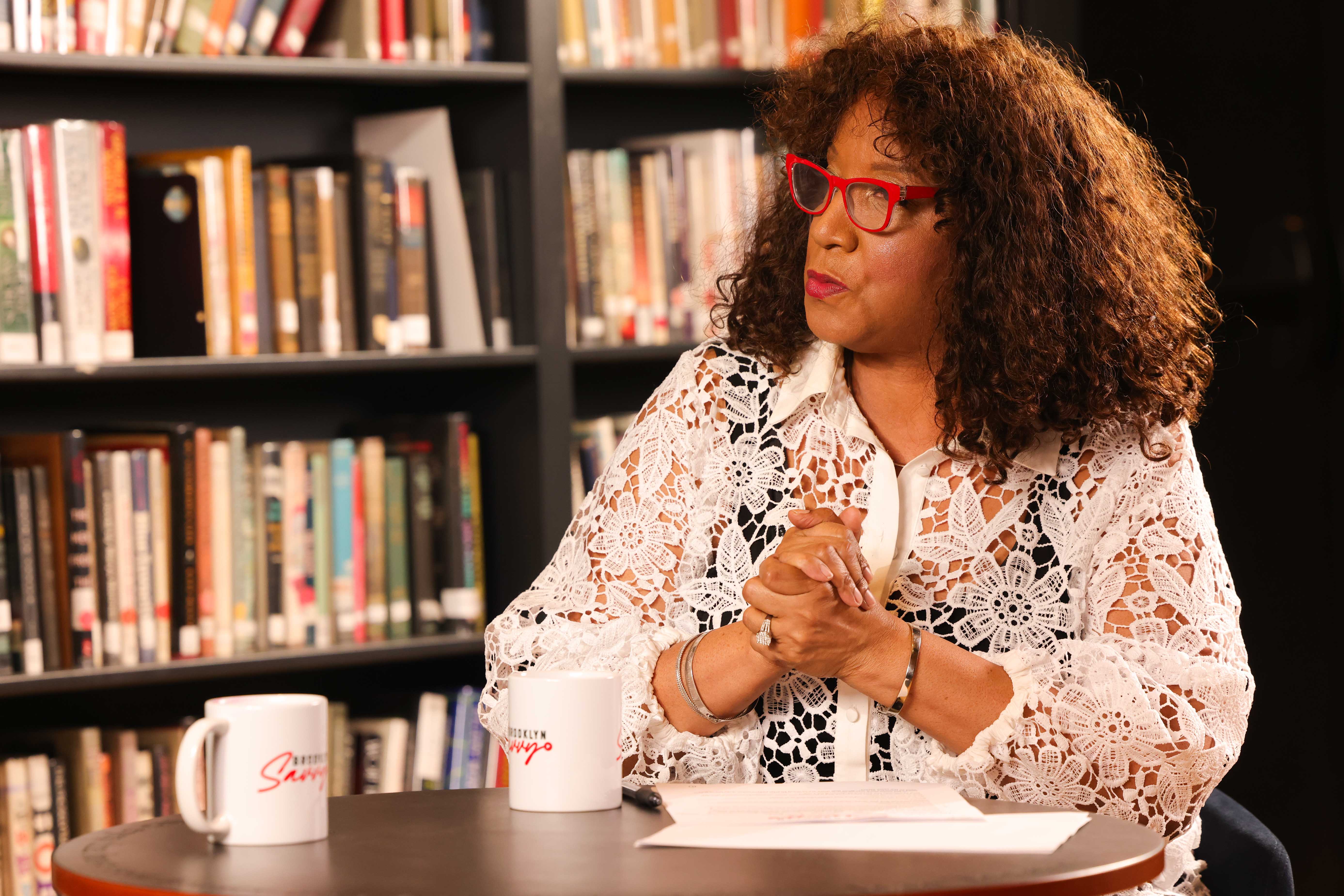
Media representation matters. Urban communities often see their stories told through a narrow lens. Diverse media like Brooklyn Savvy offer a broader perspective. They highlight the richness and complexity within these communities. Supporting women-led media initiatives enriches our understanding of urban life and challenges prevailing stereotypes.
Join Brooklyn Savvy’s Mission-Driven Dialogue ✊🏾
Brooklyn Savvy is more than just a talk show. It’s a mission-driven platform that empowers through dialogue. By joining their discussions, you become part of a movement for change. They offer insightful conversations that challenge norms and inspire action. Participate in their dialogue and support their efforts to uplift marginalized voices.
Frequently Asked Questions
What is tone policing?
Tone policing is when someone dismisses your message based on how you deliver it. It shifts the focus from your message to your manner of speaking, often undermining the point you’re making.
Why is code-switching important?
Code-switching allows individuals to navigate different cultural contexts by changing how they speak. It’s often used to fit in or be taken seriously, but it can be draining and cause identity stress.
How does professionalism act as gatekeeping?
Professionalism often requires conformity to certain standards that exclude diverse voices. This form of gatekeeping limits who gets heard in professional and social spaces by prioritizing traditional norms over authentic expression.
How can educators promote language equity?
Educators can use a language equity checklist to create inclusive environments. This involves valuing diverse communication styles and encouraging all voices, helping reduce bias and the credibility tax on marginalized students.
What is intersectionality?
Intersectionality is a framework that examines how overlapping identities, like race and gender, impact experiences. It helps highlight the unique challenges faced by individuals with multiple marginalized identities, such as Black women.


Leave a Reply