Most people still think communities need harsh punishment to stop harm. That old way keeps us stuck in cycles of violence and silence. When women’s voices take center stage—especially those of Black, Brown, LGBTQ+, immigrant, and survivor leaders—the whole conversation shifts toward healing, accountability, and real prevention. Brooklyn Savvy’s latest episodes show how this change builds safer urban communities, and Toni Williams leads the charge. Keep reading to see why your voice matters in this movement.
Centering Women’s Voices
Women’s voices have the power to transform communities, especially when it comes to tackling harm. Let’s explore how centering these voices can lead to real change.
Amplifying Marginalized Women
When marginalized women speak up, their voices reveal truths that often go unheard. By highlighting the experiences of Black, Brown, LGBTQ+, immigrant, and survivor women, we open the door to authentic conversations that propel change. This shift in dialogue not only raises awareness but also inspires action. It’s crucial to remember that when these women are given a platform, the entire community benefits. Their stories are filled with resilience and wisdom, guiding us toward more equitable solutions.
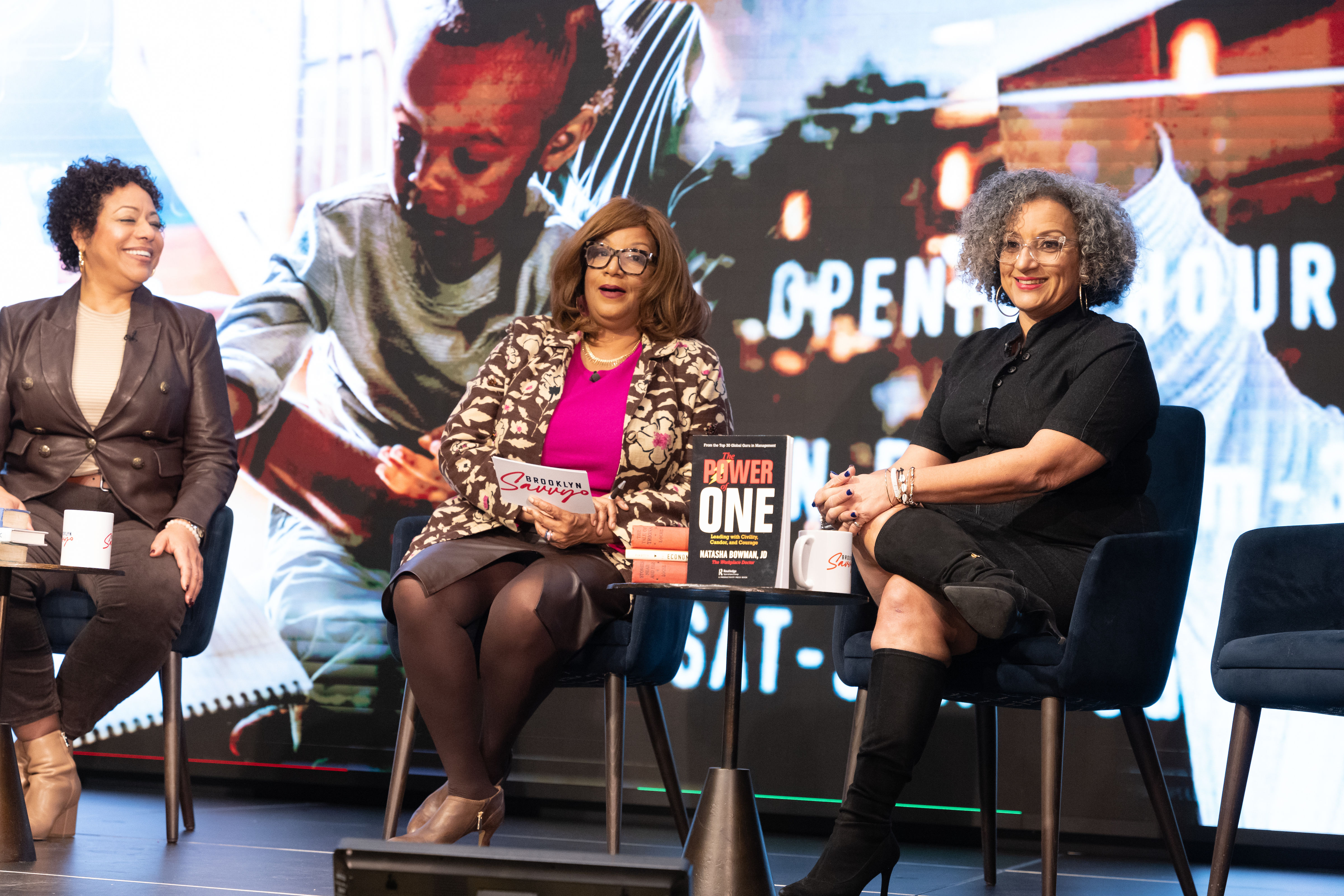
In communities where women’s voices are prioritized, you witness a ripple effect of empowerment and advocacy. For example, when Toni Williams and the Brooklyn Savvy team engage in discussions, they challenge norms and foster understanding. This approach not only enlightens audiences but also encourages them to take part in the dialogue. By listening and learning, we can collectively drive change.
Shifting from Punishment to Healing
Traditional approaches to harm often focus on punishment. However, centering women’s voices encourages a shift toward healing and prevention. This transformation is rooted in understanding and addressing the root causes of harm. By focusing on healing, we create spaces where individuals can learn from mistakes and grow, rather than being trapped in cycles of retribution.
This shift is evident in restorative justice practices, which prioritize repairing harm and fostering accountability. Women leaders play a pivotal role in advocating for these practices, as they often bring empathy and insight to the table. By prioritizing healing, communities can move towards lasting peace and safety.
Urban Communities and Intersectionality
Urban communities are diverse and complex, making intersectionality a vital aspect of understanding harm. Intersectionality recognizes how various social identities intersect, impacting how individuals experience and address harm. By considering these intersections, we can create more inclusive and effective solutions.
Women in urban settings often face unique challenges, but they also possess unique strengths. By centering their voices, we can address the specific needs of these communities. This approach not only promotes inclusivity but also ensures that solutions are comprehensive and sustainable.
Transformative Justice in Action

Transformative justice offers a holistic approach to addressing harm. Let’s delve into how this approach can bring about meaningful change.
Survivor-Centered Approaches
Focusing on survivors is a key element of transformative justice. By prioritizing their needs and voices, we can create systems that truly support healing and empowerment. Survivor-centered approaches emphasize listening and validating experiences, which is crucial for building trust and fostering recovery.
When survivors lead the conversation, they have the opportunity to advocate for what they truly need. This empowerment can lead to more effective and compassionate responses to harm. By focusing on survivors, we not only address immediate needs but also work towards preventing future harm. This approach is essential for creating safer, more supportive communities.
Community Accountability and Safety
Community accountability is a cornerstone of transformative justice. It involves holding individuals and systems responsible for harm, while also working towards healing and prevention. This approach fosters a sense of shared responsibility and encourages collective action.
By engaging the entire community, we can create environments where everyone feels safe and valued. This collaboration is crucial for addressing harm effectively and sustainably. When communities come together, they can challenge harmful norms and practices while supporting those affected by harm. This collective effort is essential for building a safer future.
Ending Violence Through Dialogue
Dialogue is a powerful tool for ending violence. By fostering open and honest conversations, we can address underlying issues and work towards lasting solutions. Dialogue allows for diverse perspectives and experiences to be heard, promoting understanding and empathy.
Incorporating dialogue into our responses to harm encourages collaboration and innovation. By engaging in meaningful conversations, we can identify root causes and develop strategies that address them effectively. This approach not only prevents violence but also fosters a sense of community and belonging.
Brooklyn Savvy’s Impact

Brooklyn Savvy is making waves by engaging in bold conversations that drive change. Let’s explore how their work is making a difference.
Toni Williams and Bold Conversations
Toni Williams leads Brooklyn Savvy with passion and purpose. Her bold conversations challenge norms and inspire action. By addressing social issues from a woman’s perspective, Brooklyn Savvy creates space for marginalized voices to be heard and valued.
Williams’ leadership is instrumental in fostering a culture of openness and empathy. Her approach encourages audiences to engage with challenging topics and consider new perspectives. Through these conversations, Brooklyn Savvy promotes awareness and drives meaningful change.
Empowering Feminist Media
Brooklyn Savvy is at the forefront of empowering feminist media. By centering women’s voices and experiences, they create content that resonates with diverse audiences. This approach not only informs but also inspires viewers to take action and make a difference in their communities.
Empowering feminist media is about more than just representation; it’s about creating content that challenges the status quo and promotes equity. By doing so, Brooklyn Savvy contributes to a more inclusive and just media landscape.
Engaging in Activism and Advocacy
Brooklyn Savvy is committed to engaging in activism and advocacy. By partnering with diverse leaders and organizations, they work towards creating a more just and equitable world. Their efforts inspire audiences to get involved and support causes that matter.
Through their programming, Brooklyn Savvy encourages viewers to think critically about social issues and consider how they can contribute to positive change. This engagement is crucial for building a more informed and active community.
Frequently Asked Questions
What is transformative justice and how does it differ from traditional justice systems?
Transformative justice focuses on healing and accountability, rather than punishment. It addresses harm by prioritizing the needs of survivors and involving the community in creating solutions. This approach fosters empathy and understanding, promoting long-term peace and safety.
How can empowering women’s voices impact community safety?
Empowering women’s voices brings diverse perspectives and solutions to the table, fostering inclusive and effective responses to harm. By centering these voices, communities can address root causes and promote healing, leading to safer and more supportive environments.
What role does dialogue play in ending violence?
Dialogue encourages open and honest conversations, allowing for diverse perspectives and experiences to be heard. It fosters understanding and empathy, which are crucial for addressing underlying issues and developing lasting solutions to violence.
How does Brooklyn Savvy contribute to social justice conversations?
Brooklyn Savvy engages in bold, woman-centered conversations that challenge norms and inspire action. By highlighting marginalized voices, they promote awareness and drive change, contributing to more informed and equitable communities.
Why is intersectionality important in addressing harm in urban communities?
Intersectionality recognizes how various social identities intersect, impacting how individuals experience harm. By considering these intersections, solutions can be more inclusive and effective, addressing the specific needs of diverse communities.

Leave a Reply