Respectability politics tries to dress up injustice in a fancy suit, making systemic harm look like personal failure. You’ve seen it in schools, workplaces, and media—where the blame shifts from broken systems to how folks “should” behave. Let’s break down how this polished lie keeps inequality in place and give you the tools to call it out loud. Stick around for real talk, sharp examples, and ways to fight back with Brooklyn Savvy‘s latest insights.
Unmasking Respectability Politics
Respectability politics often diverts attention from systemic issues, placing blame on individual behavior. It creates a facade of fairness while perpetuating inequality. The concept suggests that marginalized groups must conform to dominant norms to gain acceptance. This approach distracts from addressing deep-rooted issues like systemic racism and social justice.
Systemic Racism and Social Justice
Systemic racism is woven into the fabric of society. It’s not just about overt prejudice but also subtle structural advantages that favor certain groups. When respectability politics enters the conversation, it suggests that individuals can overcome racial barriers by simply behaving better. This narrative is misleading. True social justice requires dismantling the systems that enforce inequality rather than changing personal behavior.
For example, imagine a student of color excelling academically but still facing discrimination. It’s not their behavior that’s the issue; it’s the institutional biases. This example highlights the real problem: the system, not the individual. Dissent Magazine explores how these narratives persist and what needs to change for genuine progress.
Media Representation and Intersectionality
Media plays a big role in shaping perceptions of marginalized communities. Often, it portrays them through a narrow lens, reinforcing stereotypes. Intersectionality provides a broader view, considering multiple identities like race, gender, and class. Media that fails to adopt this perspective misses the mark, promoting a one-dimensional view.
Consider how TV shows often depict women of color. They’re frequently shown in roles that adhere to traditional stereotypes, ignoring the complexity of their experiences. By ignoring intersectionality, media contributes to the respectability politics narrative, suggesting that some identities are more “acceptable” than others. The article on The Freedom Frequency delves deeper into how media representation can either challenge or reinforce these harmful narratives.
Challenging Injustice in Everyday Spaces

In everyday spaces like workplaces and schools, respectability politics can deeply influence how people are treated. It often leads to unjust practices that uphold the status quo instead of promoting true equity.
Workplace Bias and Code-Switching
In the workplace, bias can manifest in many ways. One common expectation is code-switching, where individuals feel pressured to change their behavior or speech to fit in. This is a direct consequence of respectability politics, which implies that success is tied to conforming to dominant cultural norms.
Let’s say you’re at work and feel the need to alter your accent or suppress cultural expressions. This isn’t about creating a diverse environment; it’s about maintaining comfort for the majority. Studies, such as those published by NCBI, show that this pressure can lead to stress and hinder career progression for those expected to code-switch.
School Discipline and Policing Equity
Schools often mirror societal biases, particularly in discipline practices. Policies that disproportionately affect students of color are often justified through respectability politics, suggesting these students need stricter guidance. This isn’t about fair treatment; it’s about control.
Consider a school where students of color are disciplined more harshly than their peers for similar infractions. This isn’t because they behave worse; it’s because the system holds them to different standards. Understanding this helps in advocating for policing and equity reforms that ensure all students receive fair treatment. MoCADA provides insights into how these biases can be challenged and changed.
Fostering Community and Action

Breaking away from the constraints of respectability politics requires active community engagement and an emphasis on action. Empowering voices and facilitating open dialogue can drive meaningful change.
Empowering Women’s Voices and Allyship
Empowering women’s voices is crucial in challenging respectability politics. When women from diverse backgrounds speak up, it challenges the narrative that only certain voices matter. Allyship plays a key role here. It’s about supporting and amplifying these voices rather than speaking over them.
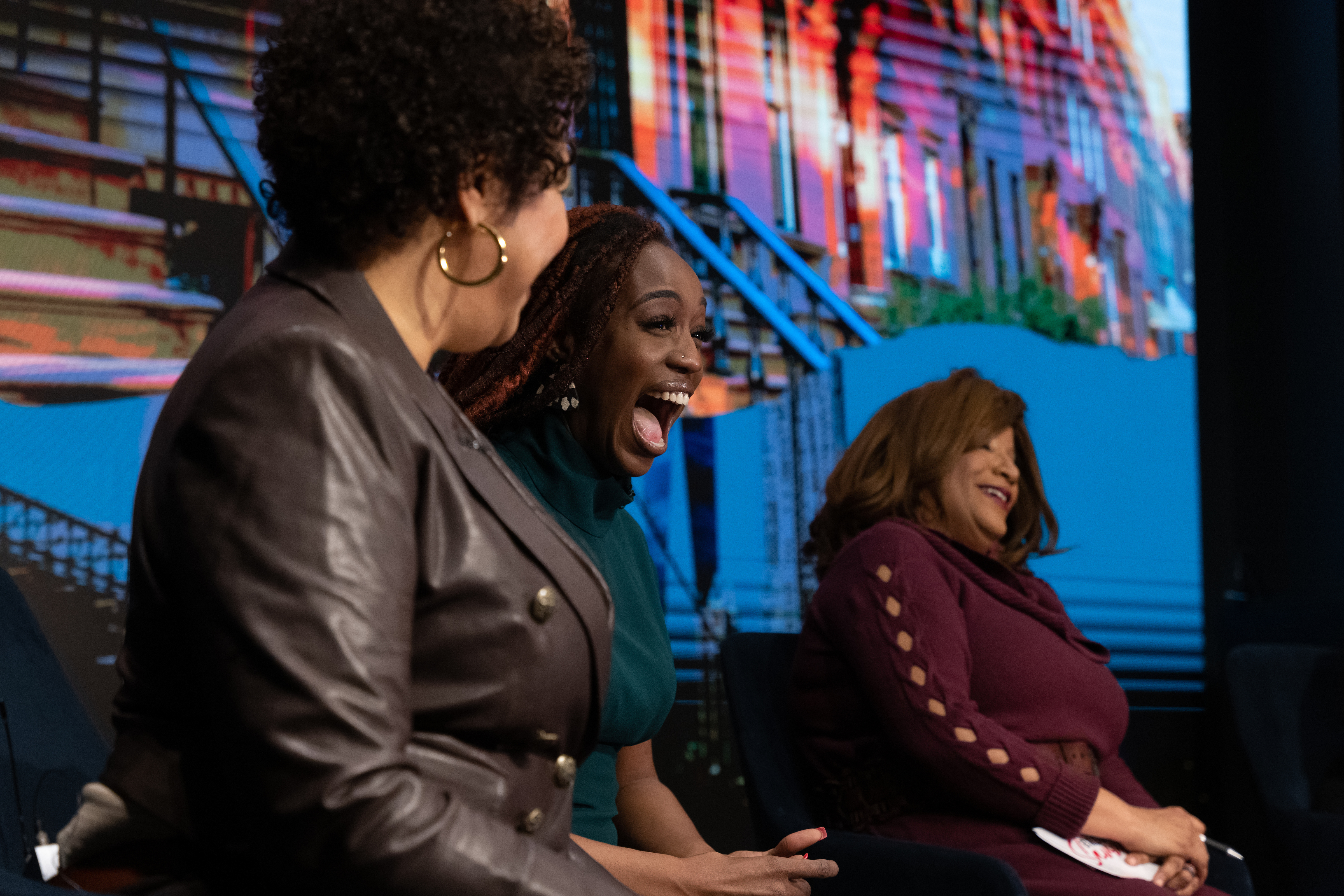
Imagine a group of women coming together to share their experiences at a community event. The diversity in their stories highlights common struggles and unique challenges. This collective voice can reshape perceptions and push back against restrictive norms. Engaging with platforms like Brooklyn Savvy helps amplify these voices, fostering a stronger sense of community.
Community Dialogue and Activism Resources
Creating spaces for open dialogue is essential for understanding and addressing respectability politics. This involves not only talking but also listening. Activism resources can guide communities on how to challenge systemic issues and advocate for equity and inclusion.
Consider setting up regular community meetings where diverse perspectives are welcomed and valued. These discussions can lead to actionable plans that address specific community needs. Resources from organizations like StimPunks offer guidance on how to facilitate these conversations and drive impactful change.
Frequently Asked Questions
What is respectability politics?
Respectability politics refers to the idea that marginalized groups can overcome systemic barriers by conforming to dominant cultural norms. It distracts from addressing institutional issues by placing the focus on personal behavior.
How does media representation affect respectability politics?
Media representation can reinforce respectability politics by promoting stereotypes and ignoring intersectionality. This narrows the narrative and suggests that only certain identities are acceptable.
Why is code-switching prevalent in workplaces?
Code-switching is common in workplaces due to pressures to conform to dominant norms. This expectation stems from respectability politics, which ties success to fitting in rather than embracing diversity.
How can communities combat respectability politics?
Communities can combat respectability politics by fostering open dialogue, empowering diverse voices, and utilizing activism resources to challenge systemic issues and promote inclusivity.


Leave a Reply