Performative allyship is everywhere, but real allyship? That often happens in the quiet, away from the spotlight. You might be calling out injustice when cameras roll, but what about the moments no one sees? This piece breaks down how to show up consistently—at home, work, online, and in your community—with concrete moves that matter. Ready to shift from performative to principled allyship? Let’s get into what real allyship looks like when nobody’s watching. Check out more on Brooklyn Savvy.
Real Allyship Beyond the Spotlight
Real allyship is about actions that speak louder than words, especially when no one is watching. It’s easy to post on social media, but what do you do when you’re offline? Let’s dive into meaningful actions you can take in your everyday life.
Authentic Actions at Home
Your home is where authentic allyship begins. Start with open conversations. Talk to your family about race, gender, and inequality. Share books, articles, and videos that challenge stereotypical beliefs. A big part of being an ally is unlearning biases and encouraging those around you to do the same.
Create a household environment that celebrates diversity. Decorate your space with art and literature from different cultures. Introduce meals from various backgrounds to your family dinners. These small steps can spark curiosity and appreciation for other cultures. Remember, allyship starts by questioning the norms and expanding your worldview within your own four walls.
Workplace Allyship Practices
Workplace allyship goes beyond diversity training. It involves active listening, supporting colleagues from marginalized groups, and advocating for inclusive policies. Speak up in meetings when you notice biased remarks or decisions. Encourage diverse hiring practices by suggesting more inclusive job descriptions and ensuring diverse interview panels.
Mentoring is another powerful allyship practice. Offer guidance and support to colleagues who may face more barriers due to systemic inequities. By amplifying their voices and contributing to an inclusive work culture, you’re creating a ripple effect that can lead to lasting change.
Bystander Intervention and More

In public spaces, allyship means standing up against discrimination. It’s about doing the right thing, even when it’s uncomfortable. Here’s how you can intervene effectively.
Call In vs Call Out Techniques
When witnessing inappropriate behavior, consider whether to call someone in or out. Calling in involves having a private conversation to educate the person on their behavior. This method can be more effective for individuals who are open to learning. On the other hand, calling out is necessary when the behavior is harmful and needs to be addressed publicly.
Both techniques require tact and empathy. Calling in shows that you are willing to educate, while calling out demonstrates that certain behaviors are unacceptable. Each situation is different, so assess the context and choose the approach that will lead to the best outcome.
Responding to Microaggressions
Microaggressions are subtle, often unintentional, but they can have a profound impact. When you hear one, it’s important to address it. Start by acknowledging the impact rather than the intent. A simple “What you said could be hurtful because…” can open the door to a learning opportunity.
Creating an environment where people feel safe to express how microaggressions affect them is key. Encourage open dialogue and provide support to those who experience these subtle forms of discrimination. By tackling microaggressions, you are contributing to a culture of respect and understanding.
Building Community and Accountability
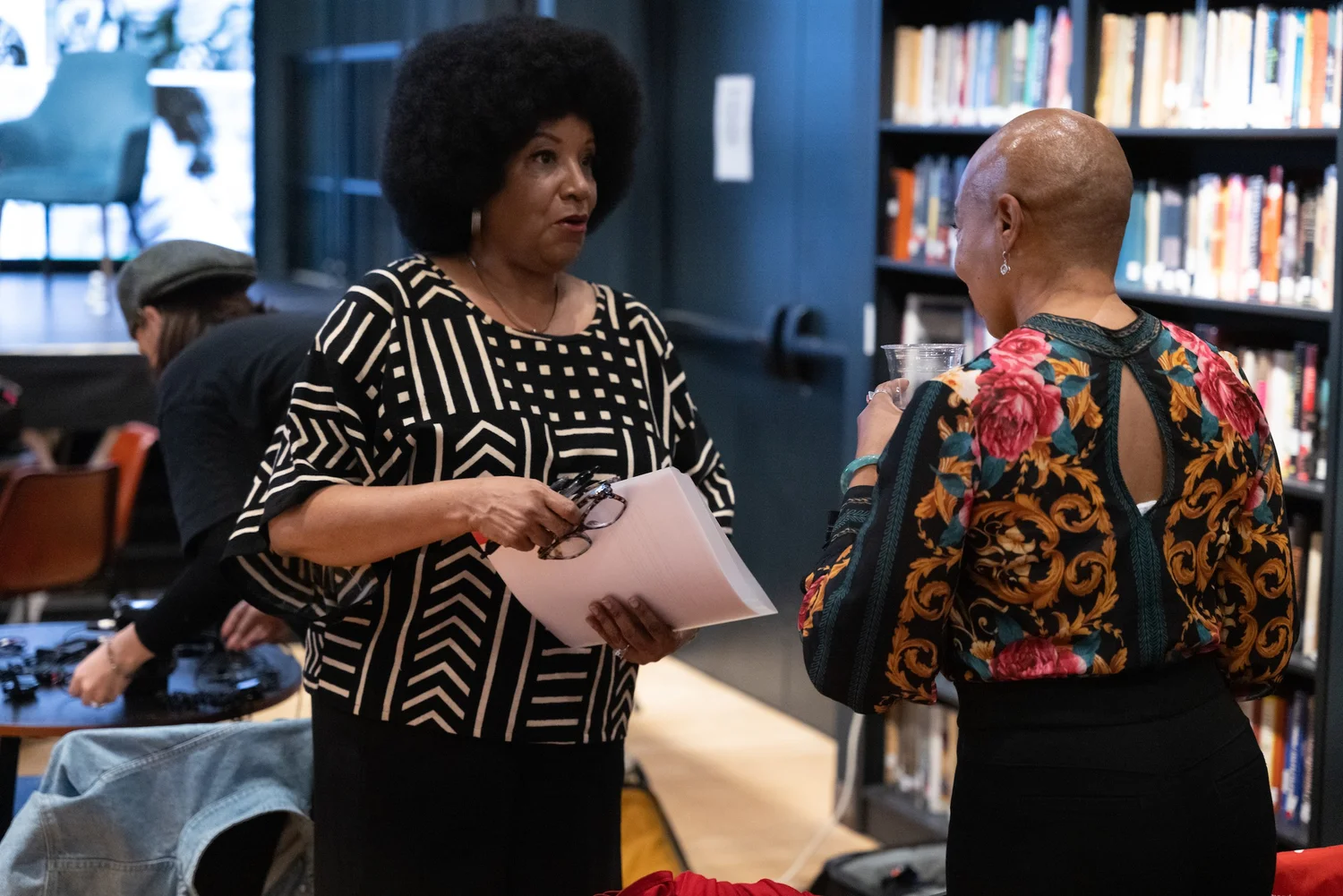
Allyship is not a solo journey. It involves building communities that hold each other accountable and work toward shared goals.
Solidarity Not Saviorism
Solidarity means standing alongside marginalized groups, not speaking for them. It’s about empowering others to voice their own experiences. Avoid the trap of saviorism, where you position yourself as the hero. Instead, listen, learn, and support initiatives led by those directly affected.
Engage with diverse communities by attending events, supporting local businesses, or volunteering. Your presence can be a strong signal of support and encouragement. Remember that allyship is about partnership and shared goals, not about taking the spotlight.
Accountability Practices for Growth
Being an ally is a continuous journey that involves self-reflection and accountability. Set regular check-ins with yourself and others to evaluate your allyship practices. Are you genuinely contributing to the cause? Are you open to feedback and willing to change?
Acknowledge your mistakes and learn from them. Apologize sincerely and take corrective actions. Growth comes from understanding that allyship is not about being perfect but about striving to do better every day. By holding yourself accountable, you strengthen your commitment to creating a more equitable world.
Frequently Asked Questions
What is the difference between performative and real allyship?
Performative allyship focuses on public gestures that seek approval without genuine commitment, while real allyship involves consistent, meaningful actions aimed at supporting marginalized groups even when no one is watching.
How can I be an ally at home?
Start with open discussions about race and inequality, share diverse cultural experiences, and create an environment that values inclusivity. Encourage your family to learn and unlearn biases together.
What should I do if I witness a microaggression at work?
Address the microaggression by focusing on its impact rather than the intent. Use it as an opportunity for dialogue and learning, ensuring that the environment supports open discussions about respect and inclusion.
How does calling in differ from calling out?
Calling in involves private, educational conversations to correct behavior, while calling out is a public stance against harmful actions. Both have their place, depending on the context and willingness to learn.
Why is accountability important in allyship?
Accountability ensures that your actions align with your allyship goals. It involves self-reflection, learning from mistakes, and continuous commitment to support marginalized communities effectively.




Leave a Reply