Latest
-

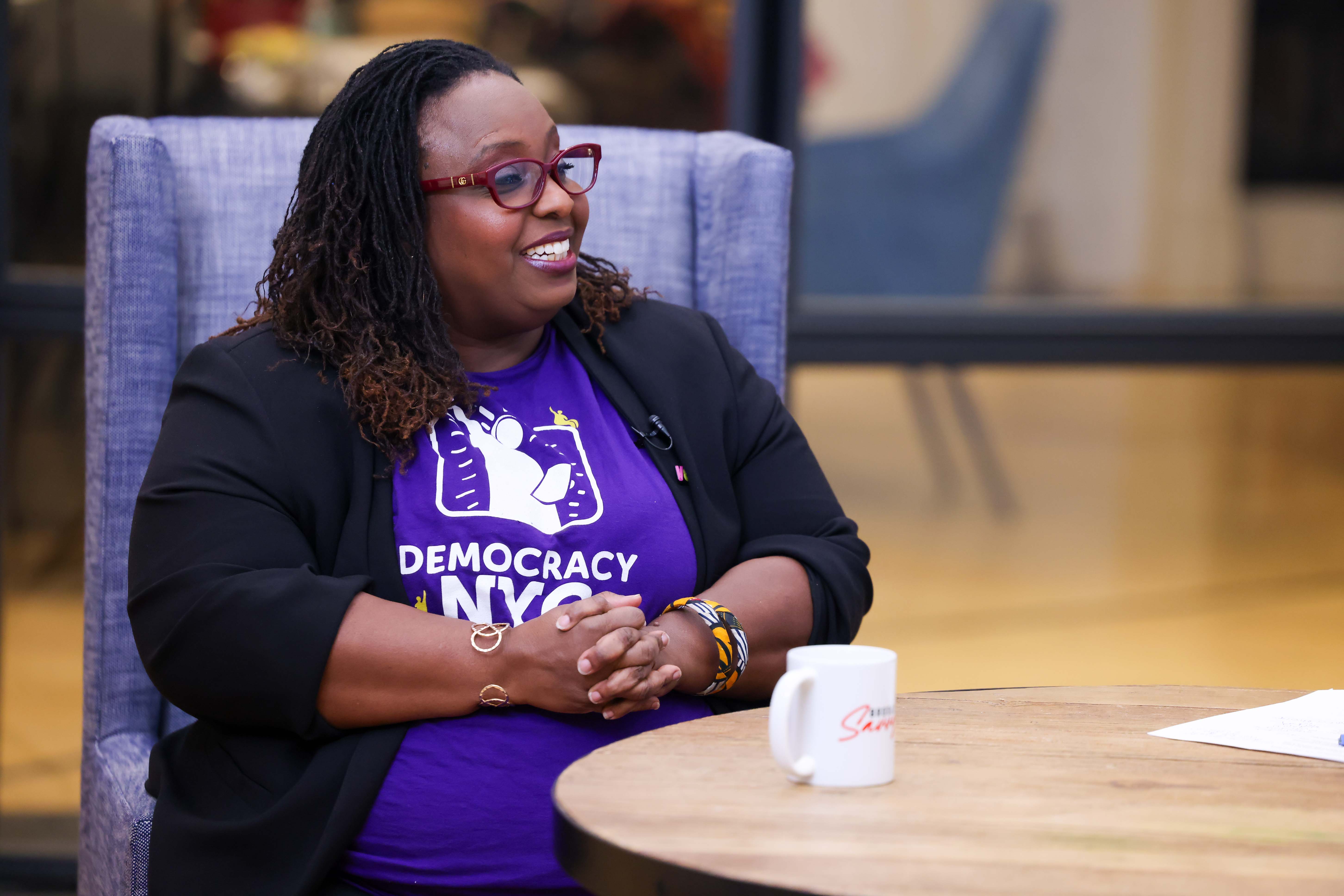
“Words Matter” highlights how everyday language embeds stigma through microaggressions, coded speech, and stereotypes. It urges mindful, inclusive language and call-in culture to challenge stigma and promote representation.
-

Community care, led by women of color, is vital in marginalized urban communities, fostering resilience through mutual aid, mental health support, and grassroots organizing, exemplified by Brooklyn Savvy’s social justice efforts.
-
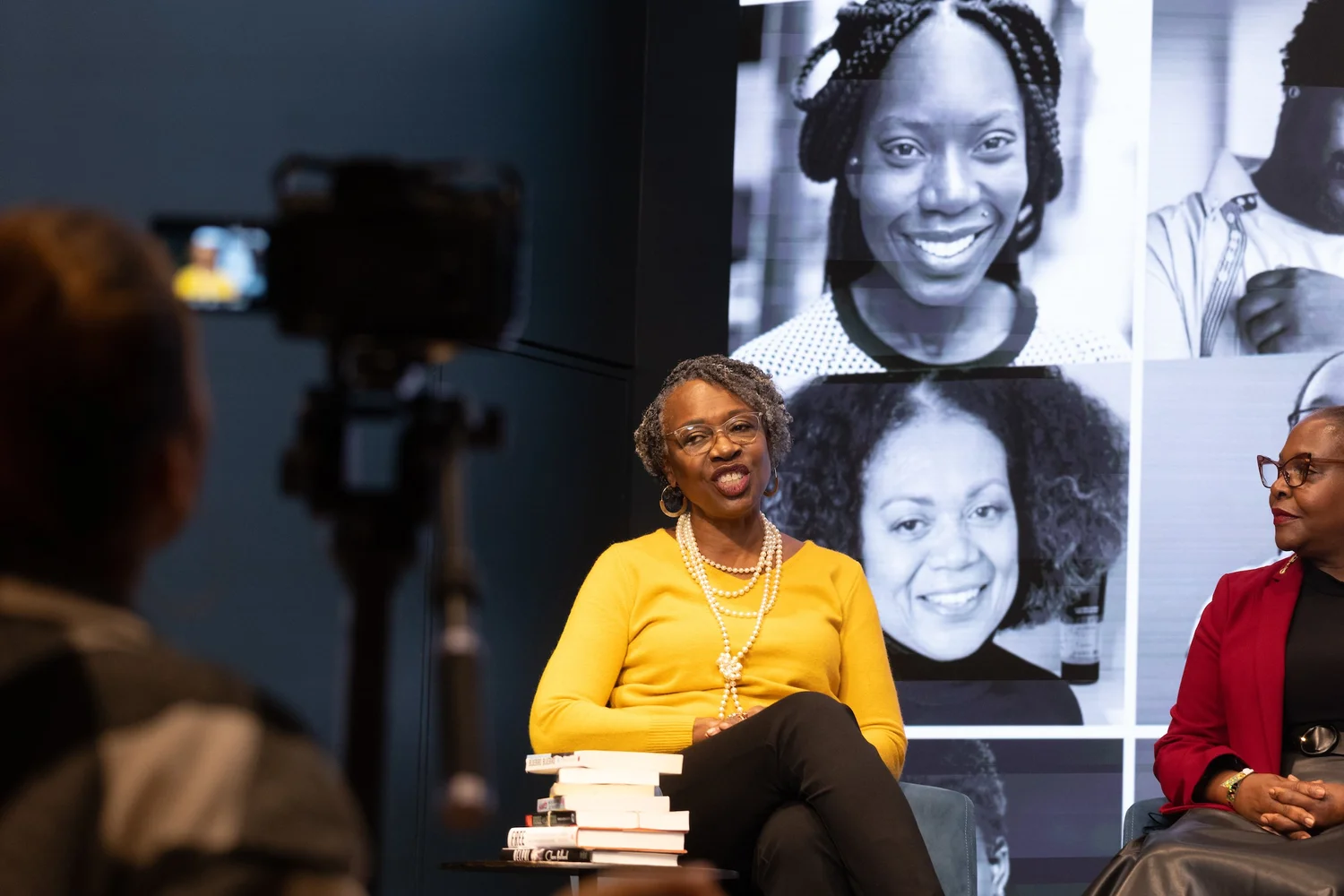
This document contrasts performative allyship with genuine shared power, emphasizing the need for real action, accountability, resource sharing, and inclusive leadership to drive lasting equity and inclusion.
-

Brooklyn Savvy, led by Toni Williams, champions women-centered, intersectional media to amplify diverse voices, foster urban dialogue, and drive social justice through inclusive storytelling and community engagement.
-
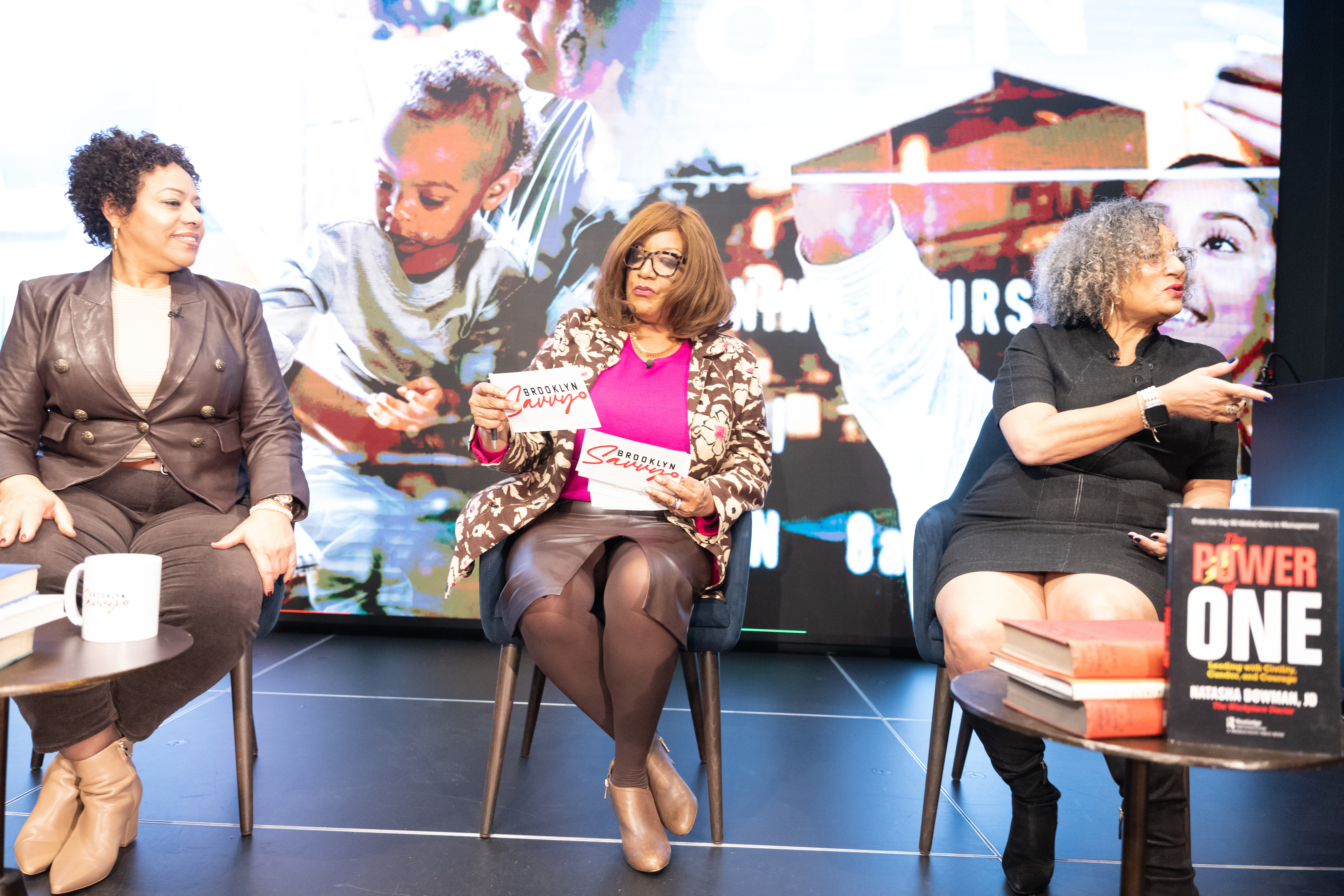
Representation of women in leadership is insufficient without real decision-making power, budget control, and policy influence. True empowerment requires structural change beyond tokenism.
-
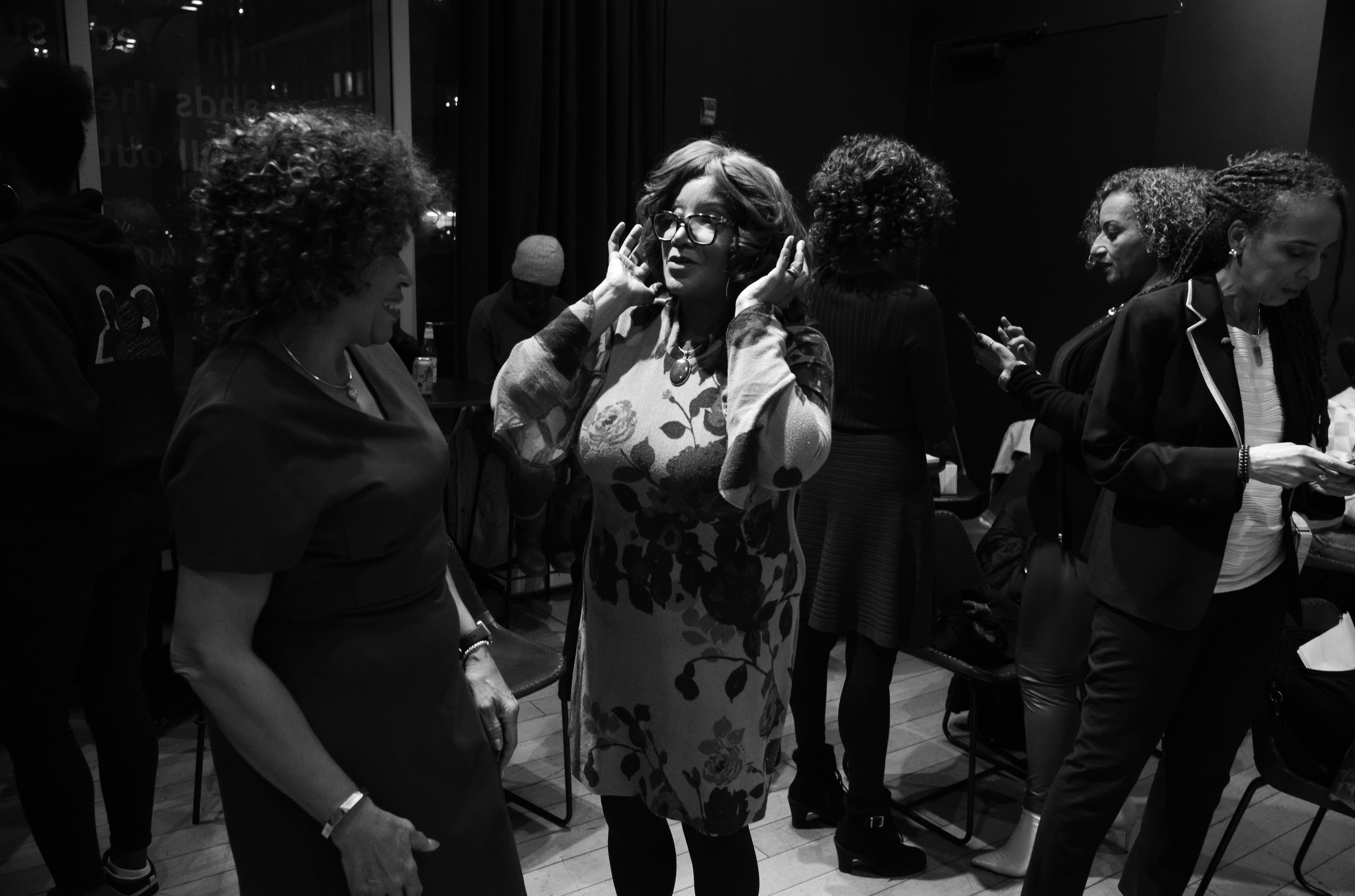
This guide exposes performative allyship in daily talk, offering strategies to recognize, call in/out, and build genuine support through inclusive language, bystander intervention, accountability, and education.
-

Centering women’s, especially women of color’s, perspectives in social justice media reshapes narratives, builds trust, and drives solutions. Brooklyn Savvy champions this inclusive, impactful storytelling.
-
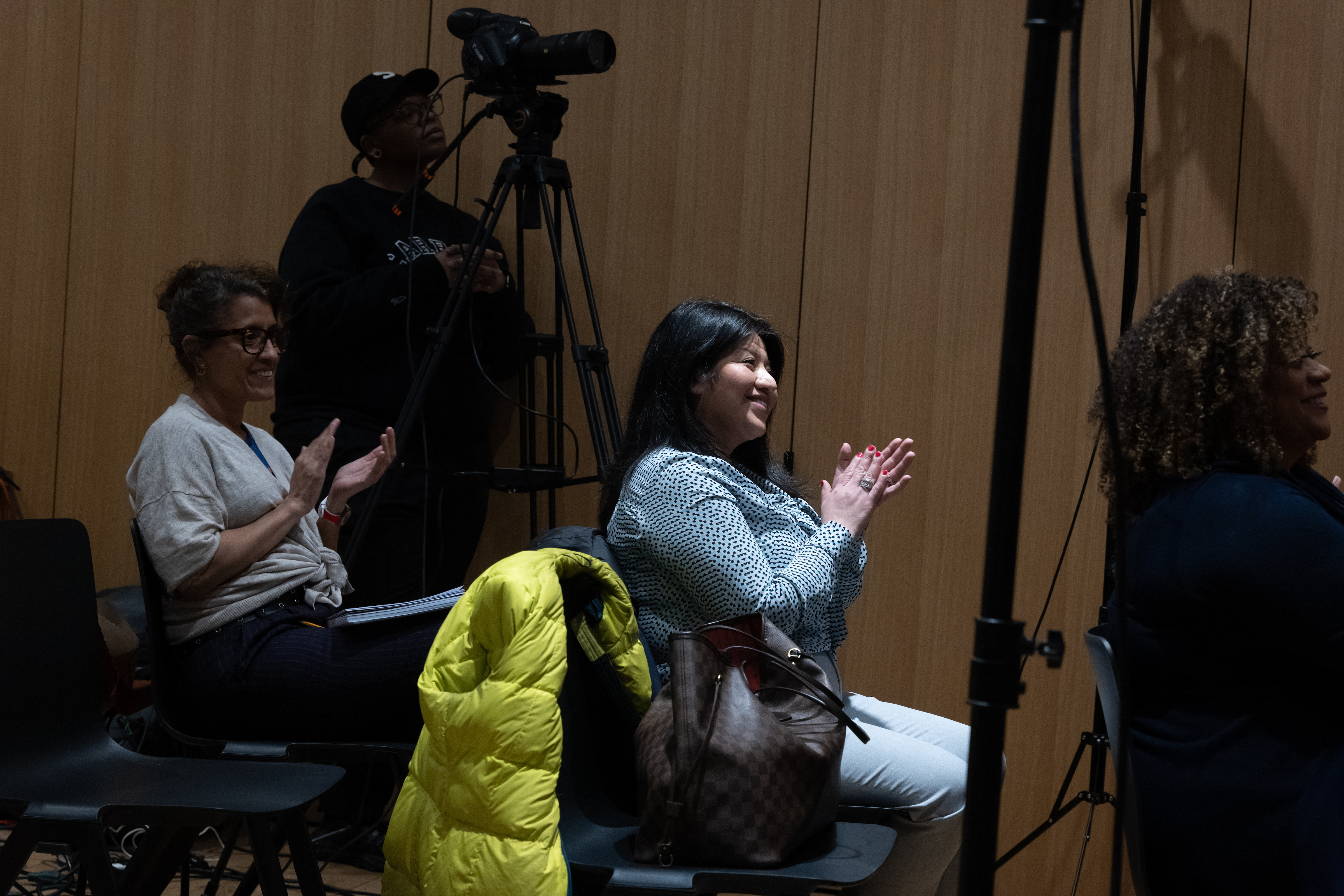
Inclusive leadership fosters trust, belonging, and equity through daily actions like open communication, psychological safety, intersectionality, anti-racism, pay equity, and collaborative decision-making.
-

Women-led media like Brooklyn Savvy drives social change by amplifying urban voices, fostering dialogue, providing activism tools, and encouraging community engagement from awareness to action.
-

Community care, emphasizing collective support, rest as resistance, trauma-informed practices, and women-led models, is essential for sustaining effective, resilient social justice activism and healing.