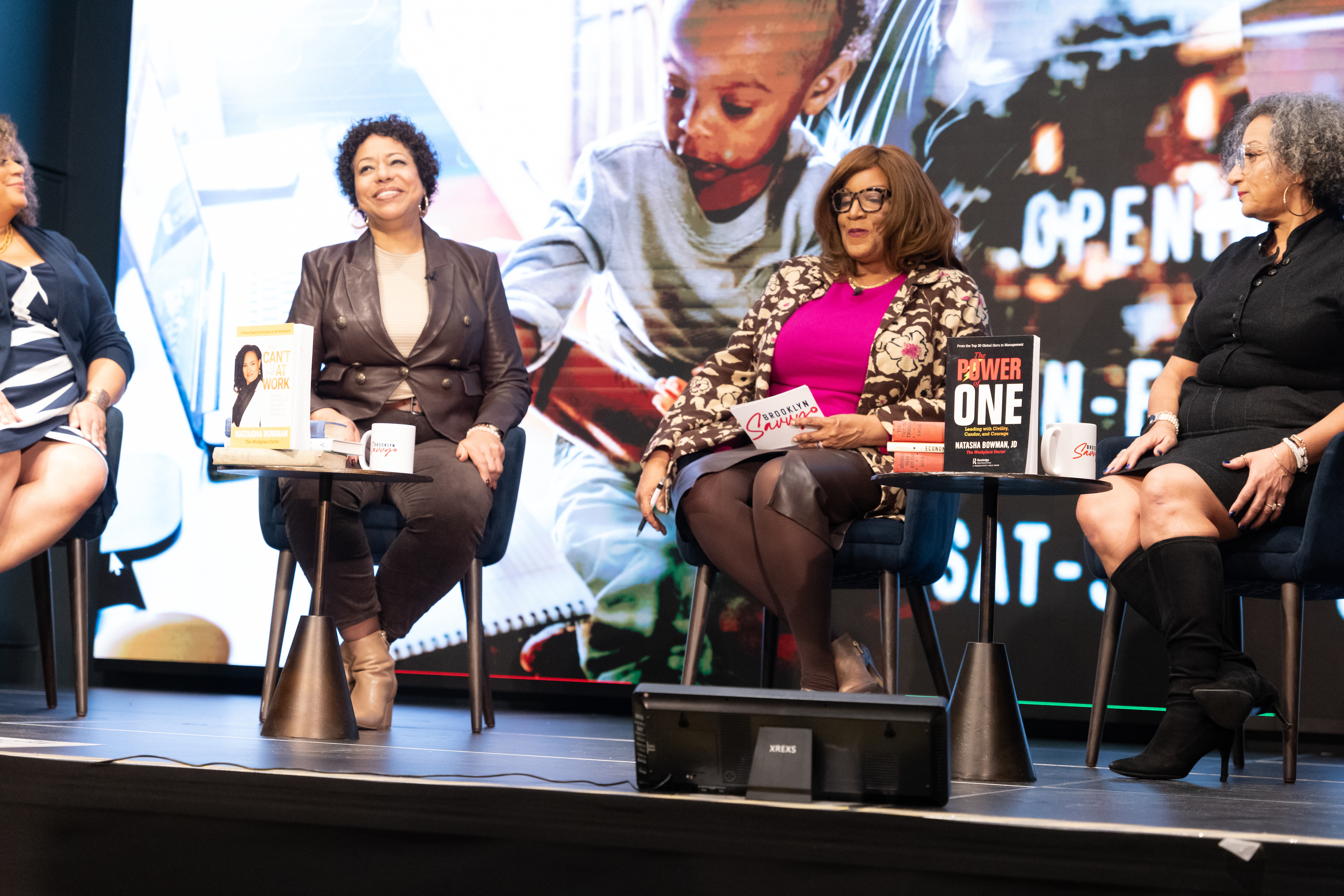
Support that vanishes when things get tough isn’t just disappointing—it’s a roadblock for real change. You’ve seen it: loud promises fading into silence when pressure hits. This isn’t about empty words; it’s about spotting performative allyship before it costs trust and momentum. Let’s break down how to spot fake support, test real commitment, and build accountability in social justice—starting with Brooklyn Savvy’s latest episode.
Spotting Fake Support
When the going gets tough, true colors show. It’s crucial to distinguish fake support from genuine commitment, especially in social justice movements.
Performative Allyship Red Flags
You might know them: people who speak up only when it’s convenient. Performative allyship often lacks substance. It thrives on empty gestures and public displays without real action. Look out for those who only post on social media but fail to engage in meaningful conversations. Another red flag is when support comes only during high-profile events or trending topics, disappearing when the spotlight fades.
True allies show up consistently, even when no one is watching. They listen, learn, and act beyond what is publicly visible. When actions align with words, you see a commitment to change. Be wary of those who prioritize appearances over impact. They might be more interested in recognition than the cause itself.
When Support Disappears
Support tends to vanish when the heat is on. This often happens when allies face discomfort or their privilege is challenged. It’s easy to stand up when there’s no risk involved, but true allyship endures even when stakes are high. Keep an eye out for those who retreat when conversations get uncomfortable.
The real test is during challenging times. Do they stay silent when the topic becomes less popular? Do they show up when the media moves on? These are critical questions. How to spot fake support means asking whether actions match words, especially in tense moments. Read more about conversations that disappear under pressure.
DEI Fatigue vs Commitment
Feeling tired in the fight for diversity, equity, and inclusion is natural. However, there’s a difference between experiencing fatigue and abandoning the cause. DEI fatigue can lead to complacency, where people feel they’ve “done enough.” This attitude stalls progress.
Commitment is about staying engaged even when the journey feels long. It’s about finding new ways to push forward rather than stepping back. Those truly committed won’t let fatigue stop them. They’ll find ways to renew their energy and continue pushing for change. It’s vital to distinguish between temporary weariness and abandoning the cause altogether.
Stress-Testing Your Allies

Now that you know the red flags, it’s time to stress-test your allies. This section offers tools to evaluate commitment levels.
Allyship Under Pressure Tools
Allyship should stand firm even in high-pressure situations. One way to test this is by creating scenarios that require allies to take a stand. For instance, invite them to attend a protest or engage in a difficult discussion. How they respond reveals their true commitment.
Another tool is observing their behavior in less public settings. Are they willing to challenge problematic remarks in private? Do they support initiatives that aren’t trending? Real allies engage consistently, not just when it’s convenient. For more insights, explore professional confidence under pressure.
Accountability in Social Justice
Accountability is everything. It means owning mistakes and showing willingness to learn. When allies are held accountable, they should respond with openness and a desire to improve. This demonstrates a commitment to growth and progress.
Create spaces for honest feedback. Encourage allies to self-reflect and make necessary changes. True dedication involves continuous learning and adapting. Accountability ensures that actions align with intentions, fostering trust and reliability.
Call-In Culture Tactics
Calling in is a compassionate approach to correction. Instead of public shaming, it encourages private conversations that promote growth. It’s about educating rather than alienating. When you notice problematic behavior, approach it with empathy and understanding.
Foster environments where people feel safe to admit mistakes and learn. This doesn’t mean ignoring harmful actions; it’s about addressing them constructively. Call-in culture nurtures allies who are willing to engage and improve, making it easier to build a supportive network.
Building Real Support Networks

Having understood how to test allyship, it’s time to focus on building robust support networks. These networks are essential for sustained social justice efforts.
Intersectional Advocacy Essentials
Intersectionality is key in advocacy. It means recognizing and addressing the interconnected nature of social categories like race, gender, and class. Real support networks embrace diversity and amplify marginalized voices. They ensure inclusivity in every step of the process.
Encourage collaboration among different groups. When efforts are intersectional, they are more comprehensive and impactful. It’s crucial to understand and respect the unique struggles faced by various communities. This understanding leads to more effective and empathetic advocacy.
Mutual Aid and Community Care
Mutual aid is about communities supporting each other. It involves resource sharing and collective problem-solving. Unlike charity, it’s reciprocal and empowers everyone involved. Building strong networks means creating systems where people help each other without expecting anything in return.
Community care emphasizes looking after one another’s well-being. It’s about creating environments where everyone feels valued and supported. This approach builds resilience and ensures that support is available even when institutional resources fall short. Learn more about community care and flexibility under pressure.
Empowering Women’s Voices
Women’s voices are crucial in social justice movements. Empowering these voices involves creating platforms for women to share their stories and insights. It means supporting women’s leadership and acknowledging their contributions.
Encourage women to take on leadership roles in your networks. Provide opportunities for them to speak and be heard. Acknowledge the unique perspectives they bring. When women are empowered, entire communities benefit from their strength and resilience.
Frequently Asked Questions
What is performative allyship?
Performative allyship refers to actions taken primarily to gain social recognition rather than effect real change. It’s often characterized by superficial gestures that lack follow-through.
How can you test someone’s commitment to being an ally?
Testing an ally’s commitment involves observing their actions in high-pressure situations and less public settings. True allies remain consistent in their support, even when challenges arise.
What is the difference between DEI fatigue and commitment?
DEI fatigue occurs when someone feels they’ve contributed enough to diversity efforts and begins to disengage. Commitment, however, involves ongoing participation and finding new ways to push for change, despite challenges.
How does call-in culture work?
Call-in culture focuses on private, empathetic conversations to address problematic behavior. It aims to educate and foster growth rather than alienate individuals, promoting a supportive environment for learning.
What is mutual aid?
Mutual aid is a system where communities support each other through resource sharing and collaboration. It emphasizes reciprocal assistance and empowers individuals by fostering self-sufficiency and resilience.



Leave a Reply