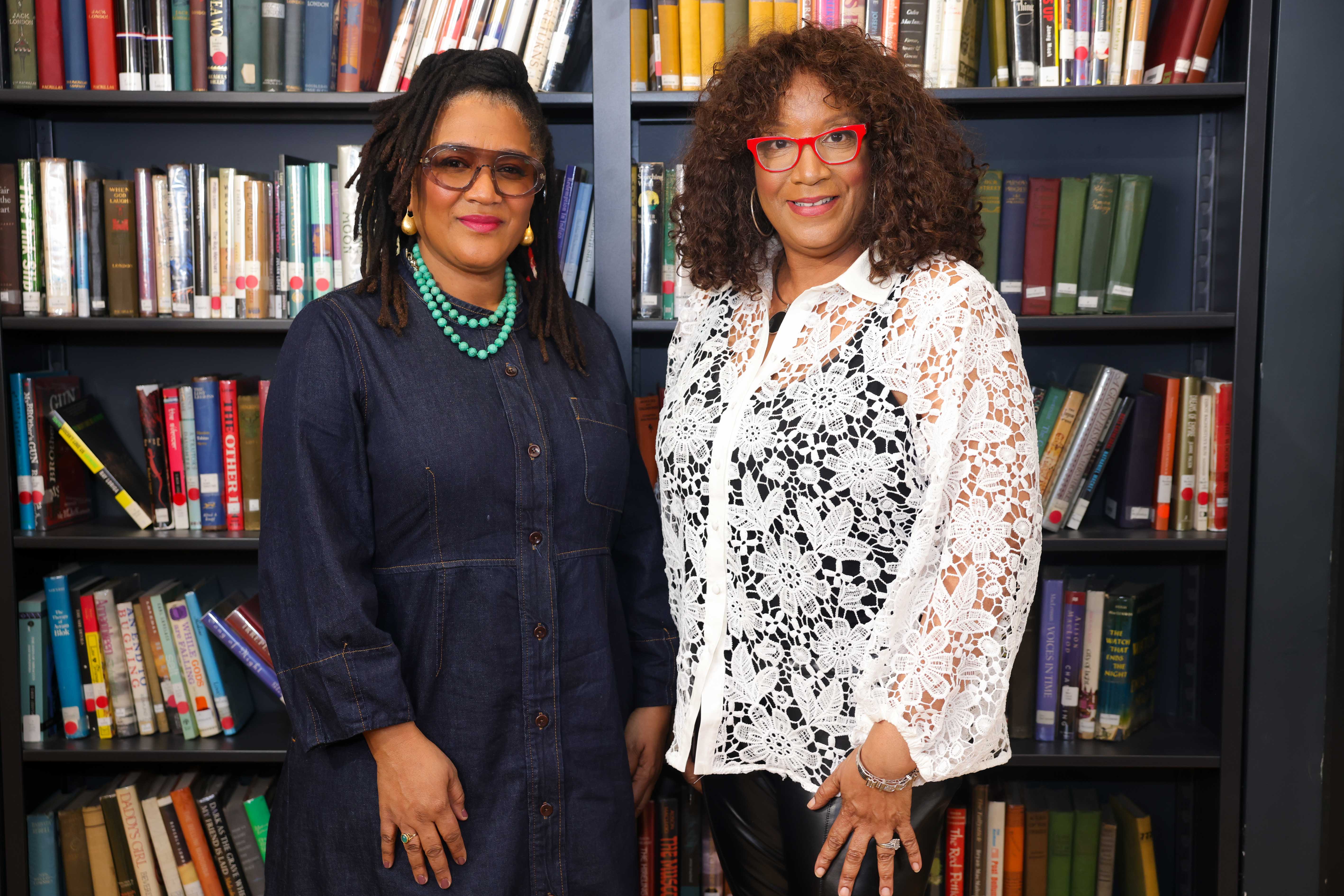
Respectability politics keeps us stuck in a trap where injustice feels normal. It tells women of color to police their voices and behaviors, while the real problems stay hidden in plain sight. On Brooklyn Savvy, Toni Williams breaks down how tone policing and code-switching silence truth and shift blame. Ready to challenge the myth that “being polite means progress”? Let’s get into it. Read more about respectability politics here.
Respectability Politics Unmasked
Respectability politics is a subtle yet powerful force that shapes behavior and expectations. It polices how individuals, especially women of color, should act and appear in society. By dictating standards, it keeps systemic issues hidden and shifts the blame onto those already marginalized.
Policing Behavior and Appearance
Respectability politics often focuses on how you look and behave. It insists that following certain standards will lead to social acceptance and success. But this approach is misleading. Instead of addressing the roots of social inequality, it places the burden on individuals to conform. You might be told to dress or speak a certain way to be taken seriously. But why should anyone have to change to gain respect?
This policing extends to professional and social settings, enforcing a narrow view of what is “acceptable.” For example, women of color are frequently pressured to alter their natural hair to fit mainstream beauty ideals. This not only limits personal expression but also reinforces a hierarchy that devalues diversity. When appearance becomes a tool for acceptance, the real issues remain untouched.
Hiding Systemic Harm
Respectability politics hides systemic harm by suggesting that if you behave correctly, you can succeed, overlooking the broader societal barriers in place. This mindset implies that failures are due to personal shortcomings, not structural inequalities. It creates a false narrative that everyone has a fair chance if they just try hard enough.
This belief can prevent real progress. By focusing on individual behavior, society may ignore the systemic racism and injustice that persist. Changes in personal behavior alone cannot dismantle institutional biases. The longer we focus on superficial fixes, the longer true equality remains out of reach.
Shifting Blame to Marginalized
By shifting the blame to marginalized groups, respectability politics perpetuates injustice. It suggests that people are responsible for the discrimination they face. This narrative is damaging and misleading. It dismisses the real issues of inequality and injustice.
For women of color, this means facing added pressure to conform while being blamed for their oppression. This blame game distracts from the need for systemic change. Recognizing the impact of respectability politics is the first step in challenging these harmful norms.
Tone Policing and Code-Switching

Tone policing and code-switching are tools of respectability politics. They enforce rules on how you speak and express yourself. For women of color, these practices can be exhausting and limiting. They often have to adjust their speech to be heard or taken seriously.
Impacts on Women of Color
Women of color often face the double burden of tone policing and code-switching. Tone policing occurs when people focus on how something is said instead of the message itself. It’s a tactic used to dismiss or undermine important conversations about race and gender. Code-switching, on the other hand, involves changing your language or behavior to fit in with the dominant culture. While it can be a survival tool, it’s also a constant reminder of the need to conform.
The impact is profound: constantly altering one’s identity to be accepted is draining. It can lead to a sense of not being true to oneself and feeling undervalued. This pressure to blend in can silence important voices and diminish authenticity. For many, it’s a daily struggle to balance self-expression with societal expectations.
Navigating Urban Communities
In urban communities, tone policing and code-switching are common survival strategies. These communities often have diverse cultures and languages, yet are still pressured to conform to mainstream norms. This can create tension and a sense of alienation among residents who feel they cannot fully express their identities.
The need to adapt constantly can hinder genuine communication and connection. It stifles diversity and creativity, which are vital to thriving communities. Embracing diversity instead of enforcing conformity can lead to richer, more inclusive urban environments where everyone feels valued.
Stereotypes and Media Representation
Media representation plays a significant role in perpetuating stereotypes. Often, women of color are portrayed in ways that reinforce tone policing and code-switching. These portrayals can be limiting and fail to capture the depth and diversity of their experiences.
Stereotypes in media can shape public perception and reinforce harmful norms. By challenging these portrayals, we can encourage more accurate and inclusive representations. Media has the power to influence societal attitudes, and it’s crucial to hold it accountable for fair and diverse representation.
Community Empowerment and Allyship

Community empowerment requires active allyship and leadership. Through civic engagement and public discourse, marginalized voices can drive change. Learn more about the impact of respectability politics and its moral implications.
Black Women Leadership and Civic Engagement
Black women have long been at the forefront of social justice movements. Their leadership is crucial in driving civic engagement and advocating for change. Through organizing and activism, they challenge the status quo and push for systemic reforms.
Engaging in civic activities allows communities to have a say in decisions that affect their lives. It empowers individuals to take ownership of their futures and hold systems accountable. Encouraging more Black women to lead in civic spaces can lead to more equitable and inclusive policies.
Public Discourse and Panel Discussions
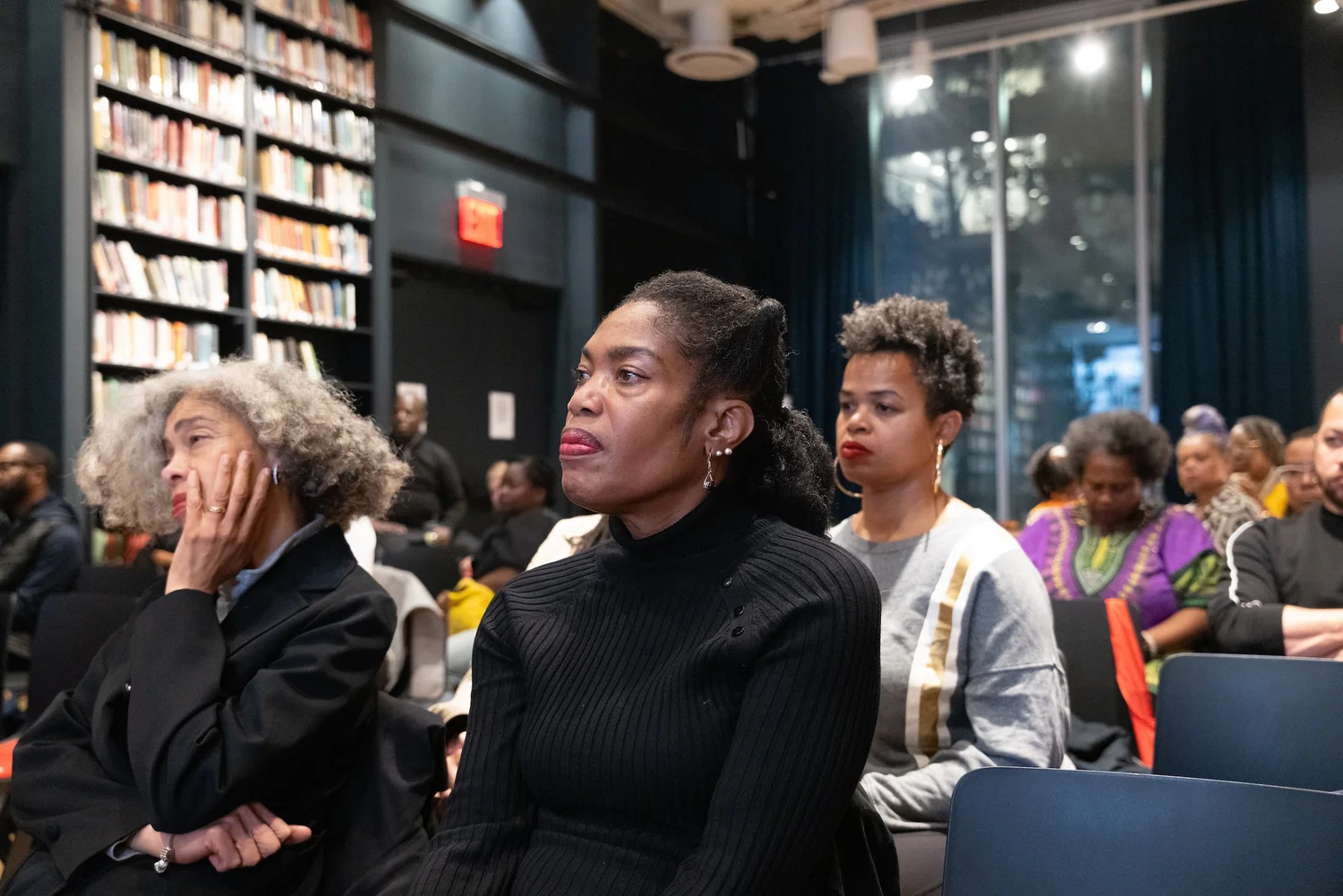
Public discourse and panel discussions are powerful tools for community empowerment. They provide platforms for diverse voices to be heard and for important issues to be debated. Engaging in these discussions fosters understanding and solidarity among different groups.
Panel discussions, like those on Brooklyn Savvy, allow for dynamic exchanges of ideas and perspectives. They can inspire listeners to think critically and act on social issues. By participating in these conversations, communities can work towards common goals and drive meaningful change.
Unapologetic Merch: Fueling the Mission
Merchandise with a cause can fuel social justice missions. Unapologetic merch not only represents personal beliefs but also supports broader movements. Wearing items that express solidarity with social justice messages makes a statement and raises awareness.
Purchasing merch from Brooklyn Savvy can both support the show and align you with its mission. It’s a way to visibly show commitment to social justice and help fund initiatives that make a difference. Merchandise can be a powerful tool for advocacy and community building.
Frequently Asked Questions
What is respectability politics?
Respectability politics involves adhering to societal norms to gain acceptance and avoid discrimination. It often places the burden on individuals to conform rather than addressing systemic issues.
How does tone policing affect women of color?
Tone policing dismisses the content of a woman’s message by focusing on how it is delivered. It undermines their voices and reinforces the need to alter their expression to be taken seriously.
Why is civic engagement important for Black women?
Civic engagement empowers Black women to influence decisions and advocate for systemic changes. It ensures their voices are heard in shaping policies that affect their communities.
What role does media play in stereotypes?
Media can perpetuate stereotypes by misrepresenting marginalized groups. Challenging these portrayals is vital for promoting more inclusive and accurate representations.
How can merchandise support social justice?
Merchandise can raise awareness and funds for social justice causes. Wearing it publicly displays support and contributes to the movement’s financial sustainability.

Leave a Reply