Latest
-

Everyday language can perpetuate bias and exclusion through jokes, microaggressions, and coded terms. Using inclusive, specific language fosters respect, challenges stereotypes, and builds equity.
-

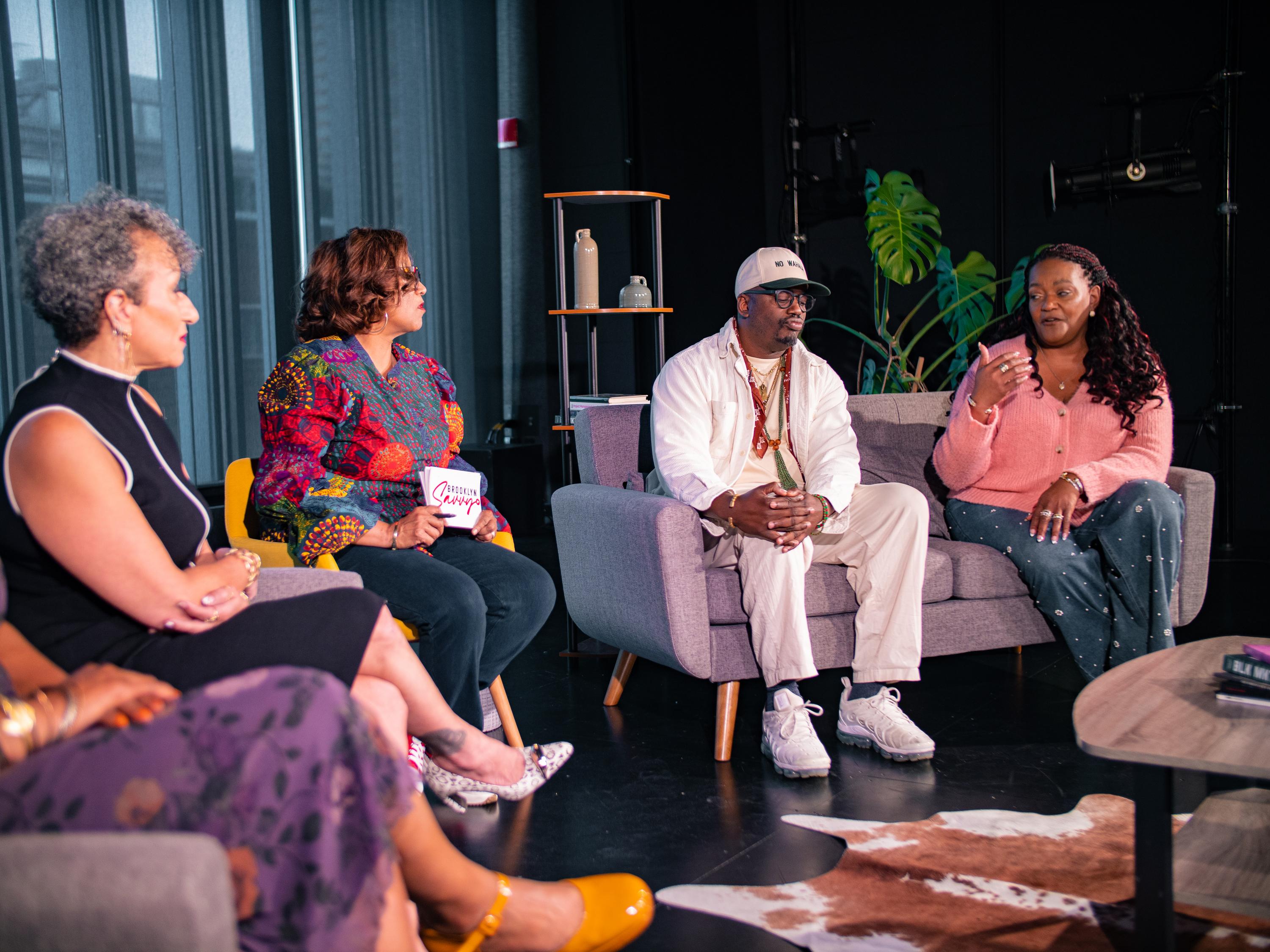
Brooklyn Savvy amplifies women-led, intersectional voices in social justice, fostering inclusive dialogue, empowering urban communities, and inspiring civic action through storytelling and media representation.
-

Performative allyship lacks sustained action and depth, focusing on appearances. True solidarity requires active listening, consistent support, community accountability, and courageous, ongoing commitment.
-

Effective community care requires structured systems with clear roles, accountability, diverse leadership, and focused care pods to transform slogans into lasting, actionable change in urban communities.
-

This guide reveals hidden biases in everyday language, highlighting microaggressions and stereotypes in gendered, racial, and ableist speech, and offers practical tips for inclusive communication and active allyship.
-

Respectability politics pressures marginalized groups, especially women of color, to conform to dominant norms, impacting fairness through image. Activism and equity promote change.
-

This guide outlines building brave spaces by recognizing power dynamics, using tools like open-ended questions and active listening, amplifying women’s voices, fostering accountability, and employing facilitation skills to drive social justice dialogue.
-
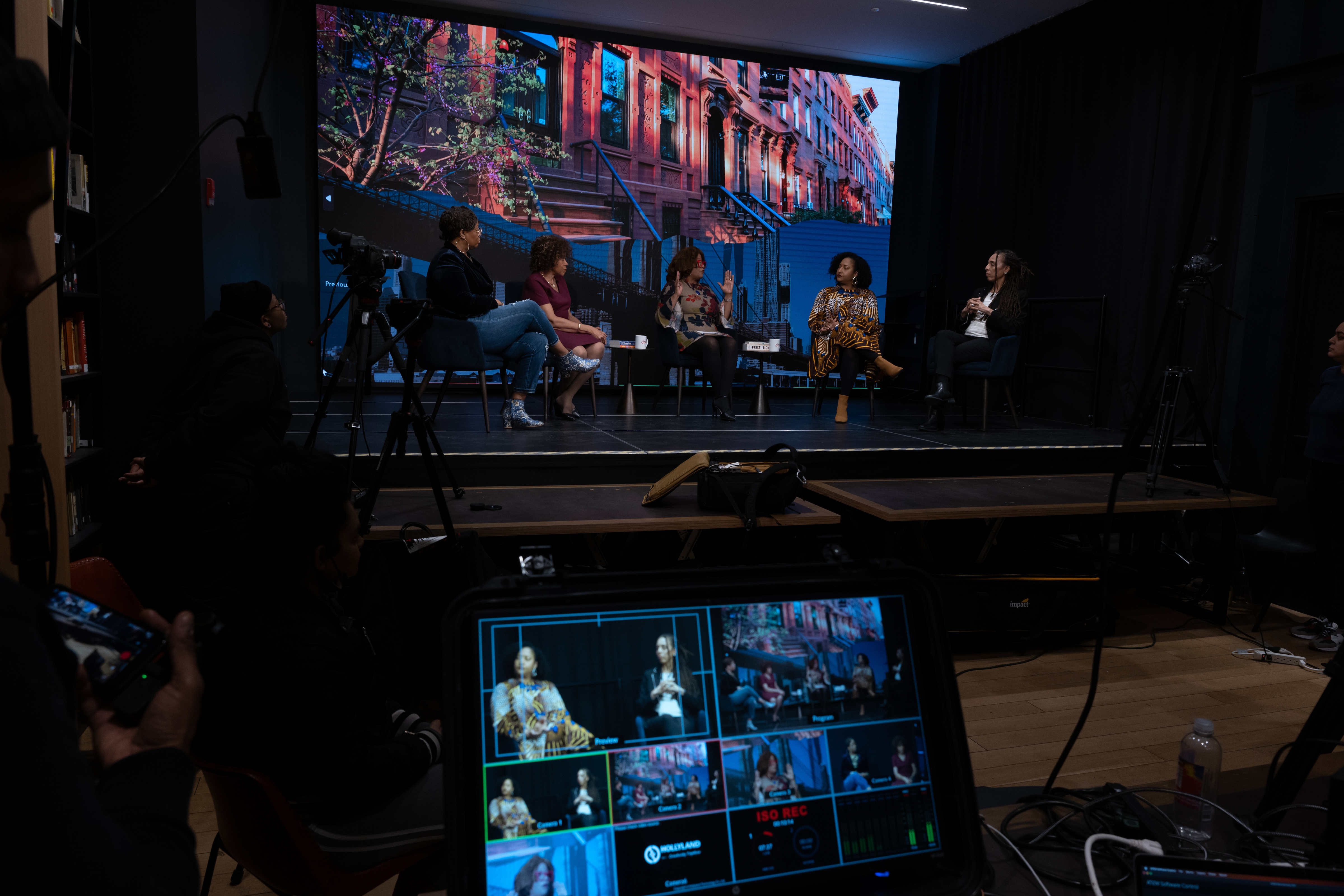
Brooklyn Savvy centers women’s voices to transform social justice talk shows, shifting community dialogue from blame to solutions, empowering urban communities, promoting intersectionality, and fostering civic engagement.
-

Emotional labor in equity spaces heavily burdens women of color, causing DEI fatigue. Solutions include boundary-setting, rest, allyship, inclusive leadership, and organizational accountability for true inclusion.