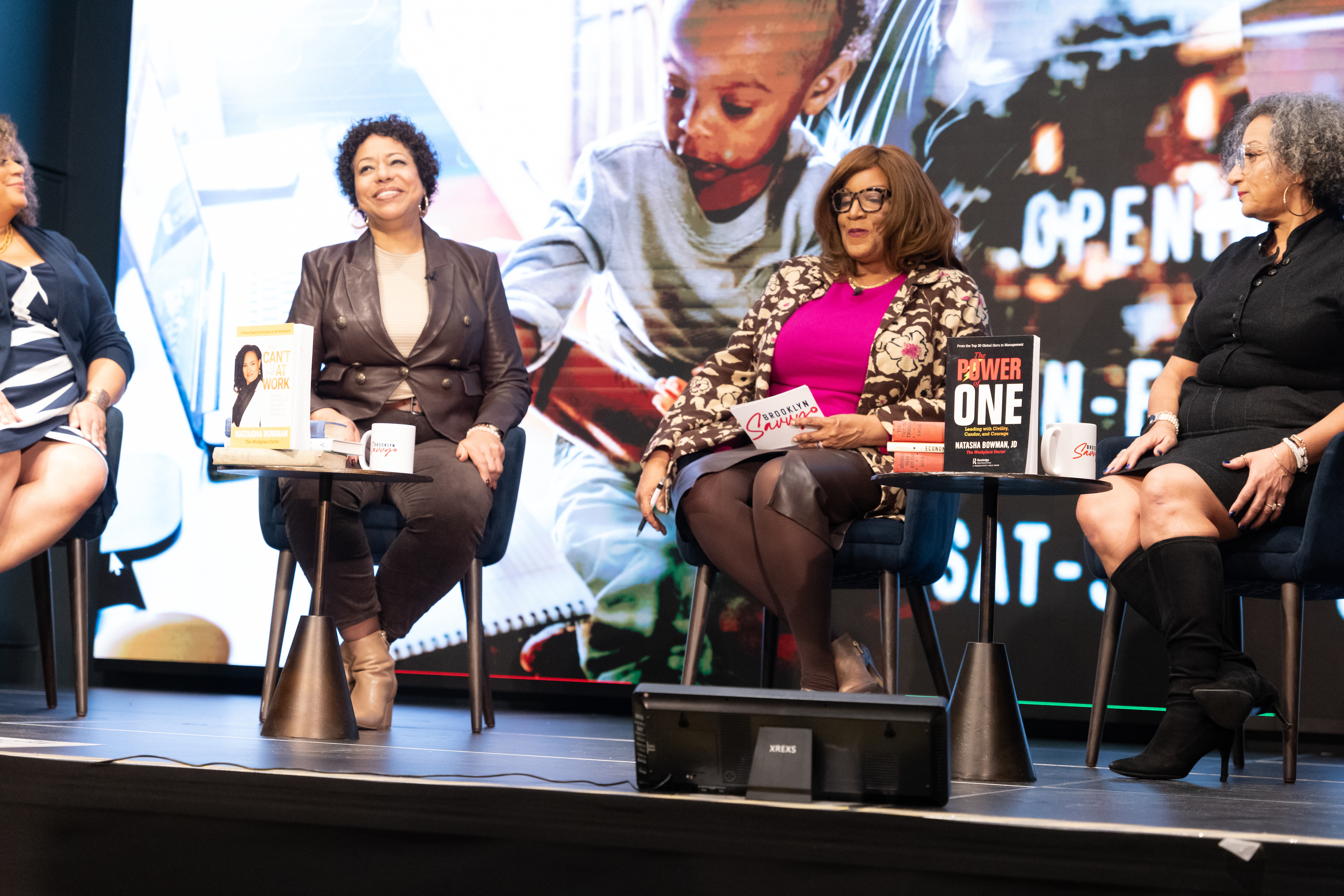
Performative allyship has flooded social feeds, but it often leaves real change hanging. You want to move past hashtags and loud declarations to something that actually shifts power. This post breaks down how shared power looks in action, what to watch for, and why it matters for equity and inclusion in your community—and why Brooklyn Savvy‘s latest episode is a must-watch for anyone serious about accountability in activism.
Understanding Performative Allyship

It’s time to dig deeper into the difference between performative allyship and genuine shared power. Many people struggle to tell the two apart.
Performative Allyship Explained
Performative allyship happens when someone shows support only for appearances. It’s about looking good, not doing good. Social media is full of examples. People post a hashtag or a black square, but there’s no action behind it. This type of allyship can harm the very causes it claims to support. It shifts focus from real issues to the ally’s intentions. To learn more about these signs, check out Are You a Performative Ally? Here Are the Signs.
Recognizing True Shared Power
True shared power means taking action to give others a seat at the table. It’s about making space and sharing resources. This involves listening, learning, and taking steps to change systems. Genuine power sharing creates lasting impact. It requires commitment and ongoing effort, not just one-time actions.
Accountability in Activism
Accountability is about more than just saying “sorry.” It’s about making amends and changing behavior. Activists must hold themselves and others accountable. This means being open to feedback and willing to make changes. It’s not always easy, but it’s necessary for real progress. For more insights, read Allyship Accountability in Academic Leadership.
Red Flags and Green Flags

Now, let’s look at how to spot performative allyship versus genuine power sharing. Knowing these can help you decide where to put your time and energy.
Spotting Performative Allyship
Performative allyship often shows up when actions don’t match words. Watch out for people who only show up when it’s trendy. They might make grand statements but take no real action. This kind of allyship often centers on the ally, not the cause. For more on this, check out Performative Allyship: What It Is and Why It Hurts.
Indicators of Genuine Power Sharing
Genuine power sharing involves taking meaningful action. This might mean sharing resources, amplifying marginalized voices, or stepping back to let others lead. Look for people who make long-term commitments to change. They often work behind the scenes to support and empower others.
Calling In vs Calling Out
Knowing when to call in or call out is crucial. Calling out happens in public and points out mistakes. It’s necessary when harm is ongoing or when someone refuses to change. Calling in is more private and focuses on education. It’s for people who are willing to learn and grow. Both are important tools in the fight for justice. More discussions on this topic can be found on Facebook.
Moving Toward Shared Power

The path to shared power requires redistributing resources and fostering inclusive leadership. Here’s how you can start making a difference.
Redistributing Resources and Access
Shared power means sharing resources. This could be money, time, or connections. It might mean investing in communities that lack resources. Or it could involve opening doors for others and helping them succeed. By redistributing what we have, we create a more equal playing field.
Inclusive Leadership for Change
Inclusive leadership involves embracing diversity and encouraging different perspectives. It’s about creating a space where everyone can contribute. Leaders who practice inclusivity listen and adapt. They recognize their own biases and work to overcome them. This kind of leadership is crucial for lasting change.
Engaging with Brooklyn Savvy Community
Join the conversation with Brooklyn Savvy. Our community is all about fostering dialogue and pushing for real change. Engage with our latest episode to hear from diverse voices and learn more about accountability and shared power. Together, we can create a more inclusive world.
By embracing these principles, you can help shift the power dynamics in your community. Remember, it’s not just about saying you care—it’s about showing you care through action.


Leave a Reply