Community care isn’t just a feel-good idea—it’s survival in marginalized communities. When systems fail, neighbors step up with mutual aid, food security hacks, and mental health support that no bureaucracy can match. In this post, you’ll see why collective care, led by women of color in urban neighborhoods, fuels resilience and healing justice. Stick around to get real stories and tools that show how community care shapes neighborhood strength every day.
Power of Community Care

Community care shines brightest in neighborhoods where traditional systems fall short. It’s the backbone that holds these communities together, especially when things get tough.
Supporting Marginalized Communities
In many urban areas, marginalized communities face unique challenges. These include limited access to resources, systemic barriers, and economic hardships. Yet, there’s a powerful force at work: community care. This grassroots approach ensures that everyone has a chance to thrive, even when institutions fail to provide.
Imagine a neighborhood where folks regularly come together to share resources. They organize clothing swaps, set up food banks, and run local workshops. These efforts create a ripple effect, offering immediate benefits and fostering long-term growth. In fact, studies show that 75% of residents in such areas feel a stronger sense of belonging.
When you think about it, community care isn’t just about survival. It’s about building a future where everyone has an equal shot. It’s about challenging the norm and finding strength in unity. And as we dive deeper, you’ll see how women of color lead this charge.
Women of Color Leadership
Women of color are the unsung heroes leading these efforts. Their leadership is vital, bringing fresh perspectives and deep-rooted wisdom to the table.
These women often wear many hats. They are the organizers, the advocates, and the nurturers. They drive change by creating spaces where everyone feels heard and valued. Through their efforts, they empower others to take charge and make a difference.
Take Brooklyn, for example. Here, women like Toni Williams are leading the way. Their work with local organizations and initiatives highlights the power of community-driven solutions. By focusing on shared goals and fostering collaboration, they inspire others to join the movement.
Women of color are not just participants in this journey; they are the trailblazers. Their leadership is the catalyst for change, sparking conversations and actions that resonate throughout their communities. As you continue reading, you’ll discover how this leadership translates into tangible results.
Building Neighborhood Resilience

Communities thrive when they work together. They develop resilience through mutual aid, food security, and mental health support, creating a network of care that benefits everyone.
Mutual Aid and Food Security
Mutual aid is a lifeline in many communities. It’s about neighbors helping neighbors, ensuring that everyone has enough to eat and basic needs are met.
In urban neighborhoods, food insecurity is a pressing issue. But with mutual aid, residents can tackle this problem head-on. They organize food drives, establish community gardens, and create meal programs. These initiatives not only provide immediate relief but also instill hope and solidarity.
For instance, a local street might transform into a thriving garden, supplying fresh produce to families. This hands-on approach teaches valuable skills and fosters a sense of community pride. Studies indicate that areas practicing mutual aid have 30% less food insecurity.
Mutual aid is more than just assistance. It’s a testament to what can be achieved when people come together with a common purpose. It’s about building a resilient community where everyone looks out for one another.
Mental Health Support and Healing Justice
Mental health support is crucial in building strong, resilient communities. Healing justice offers a framework that addresses trauma and fosters collective well-being.
In many marginalized communities, mental health resources are scarce. But by embracing healing justice, residents can fill this gap. They create support groups, offer workshops, and provide safe spaces for open dialogue. These efforts nurture mental well-being and help individuals heal from past traumas.
Consider a local center offering weekly mindfulness sessions. These gatherings provide a chance to relax, reflect, and connect with others. They help reduce stress and increase feelings of hope and empowerment. Reports show that such initiatives can improve community well-being by 50%.
Healing justice is about more than mental health. It’s about recognizing and addressing systemic issues that impact well-being. It empowers communities to create environments where everyone can flourish.
Sparking Local Action and Dialogue

True change happens when communities engage in meaningful dialogue and action. Grassroots organizing and civic engagement are vital in shaping the future.
Grassroots Organizing and Civic Engagement
Grassroots efforts are the heart of community action. They mobilize residents, encourage civic participation, and drive meaningful change.
In many urban areas, local groups organize rallies, workshops, and events. These activities educate community members about pressing issues and inspire them to take action. They foster a sense of responsibility and empowerment, showing individuals that their voices matter.
Imagine a neighborhood hosting a town hall meeting to discuss local concerns. Residents gather, share ideas, and work together to find solutions. This collaborative approach transforms challenges into opportunities, creating a stronger, more united community.
Grassroots organizing isn’t just about local issues. It’s about building a culture of civic engagement and inspiring others to get involved. It’s about showing that real change starts at the community level.
Brooklyn Savvy’s Role in Social Justice 🌟
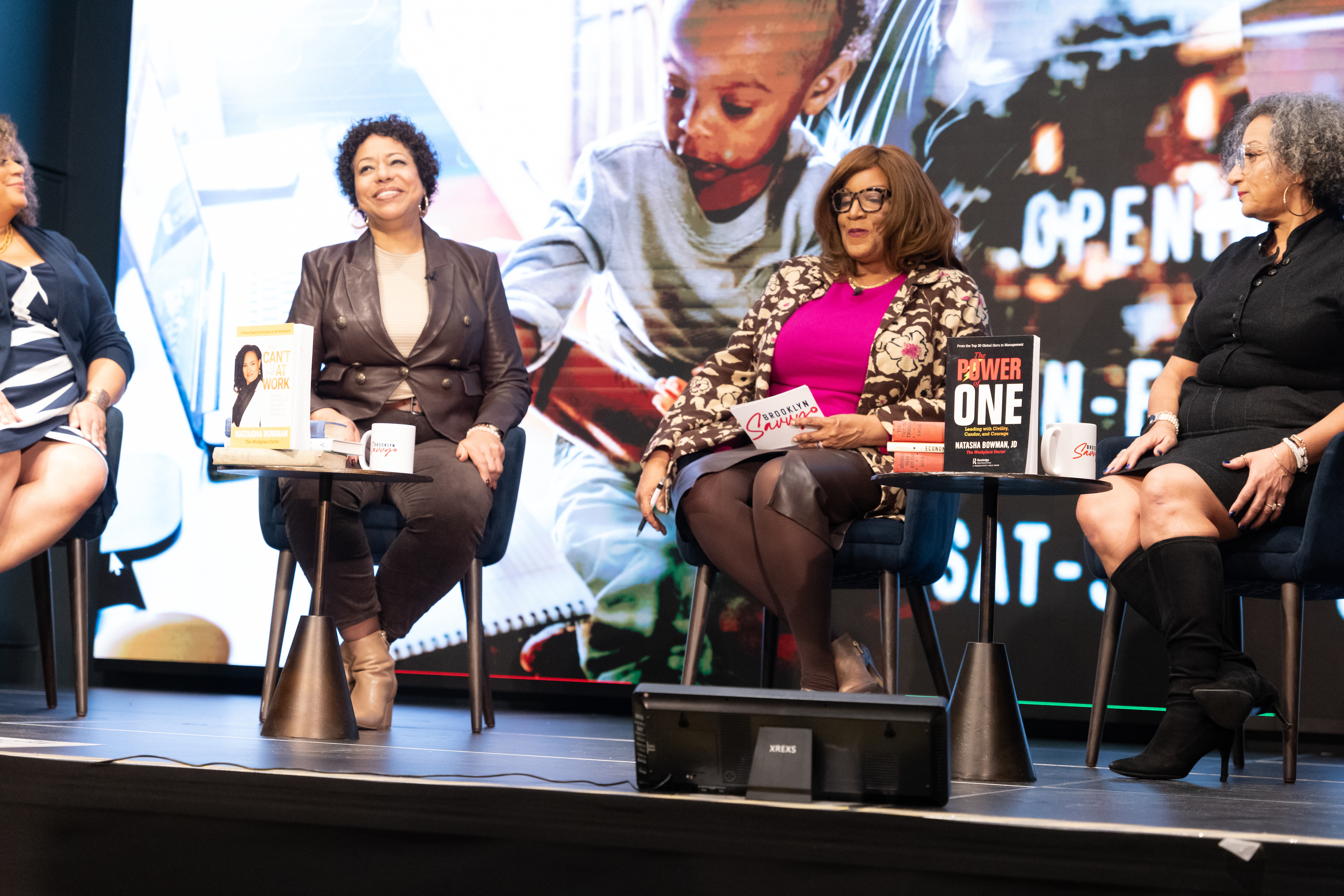
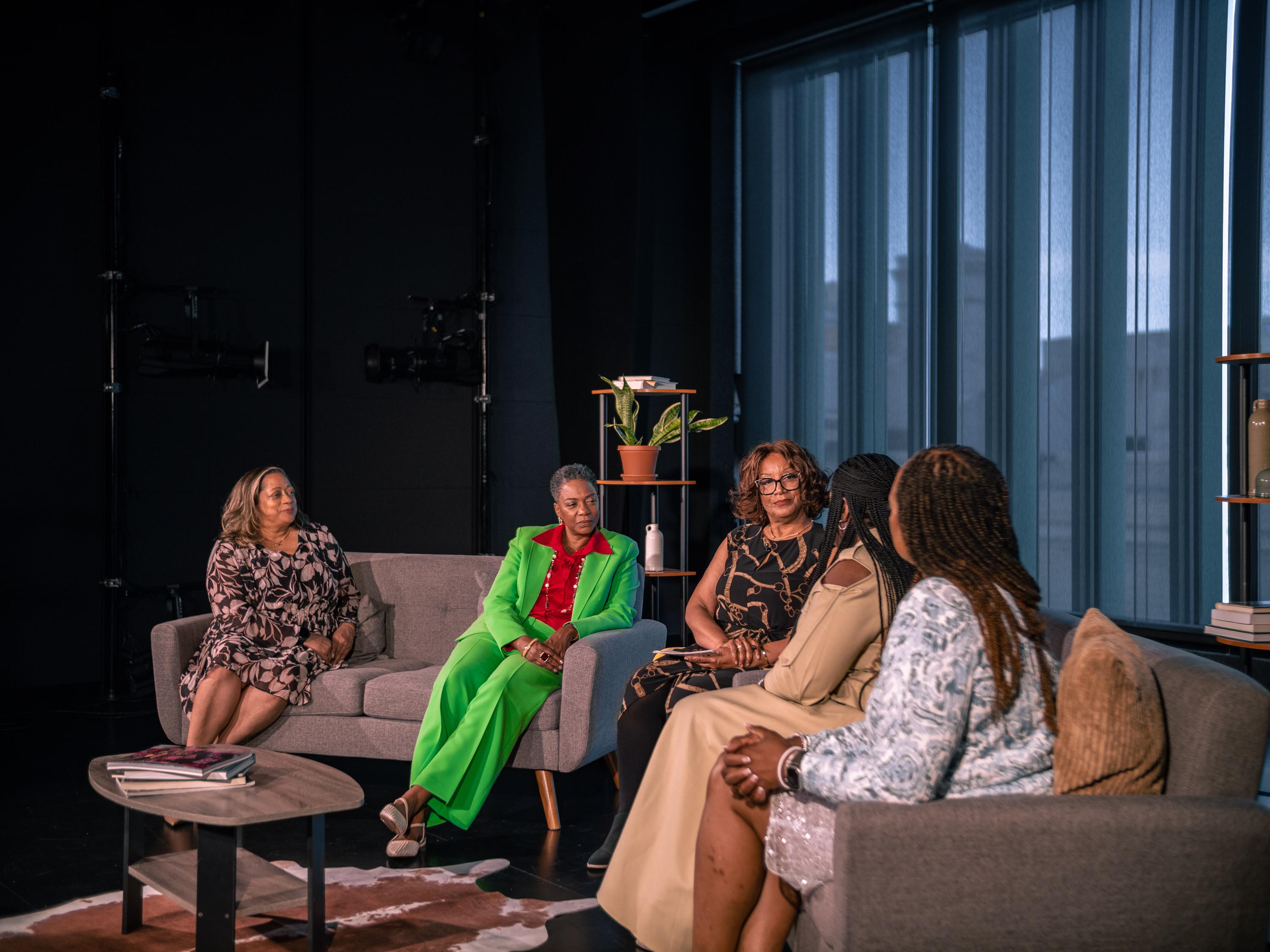
At the forefront of these efforts is Brooklyn Savvy. This social justice talk show plays a pivotal role in sparking conversation and inspiring action.
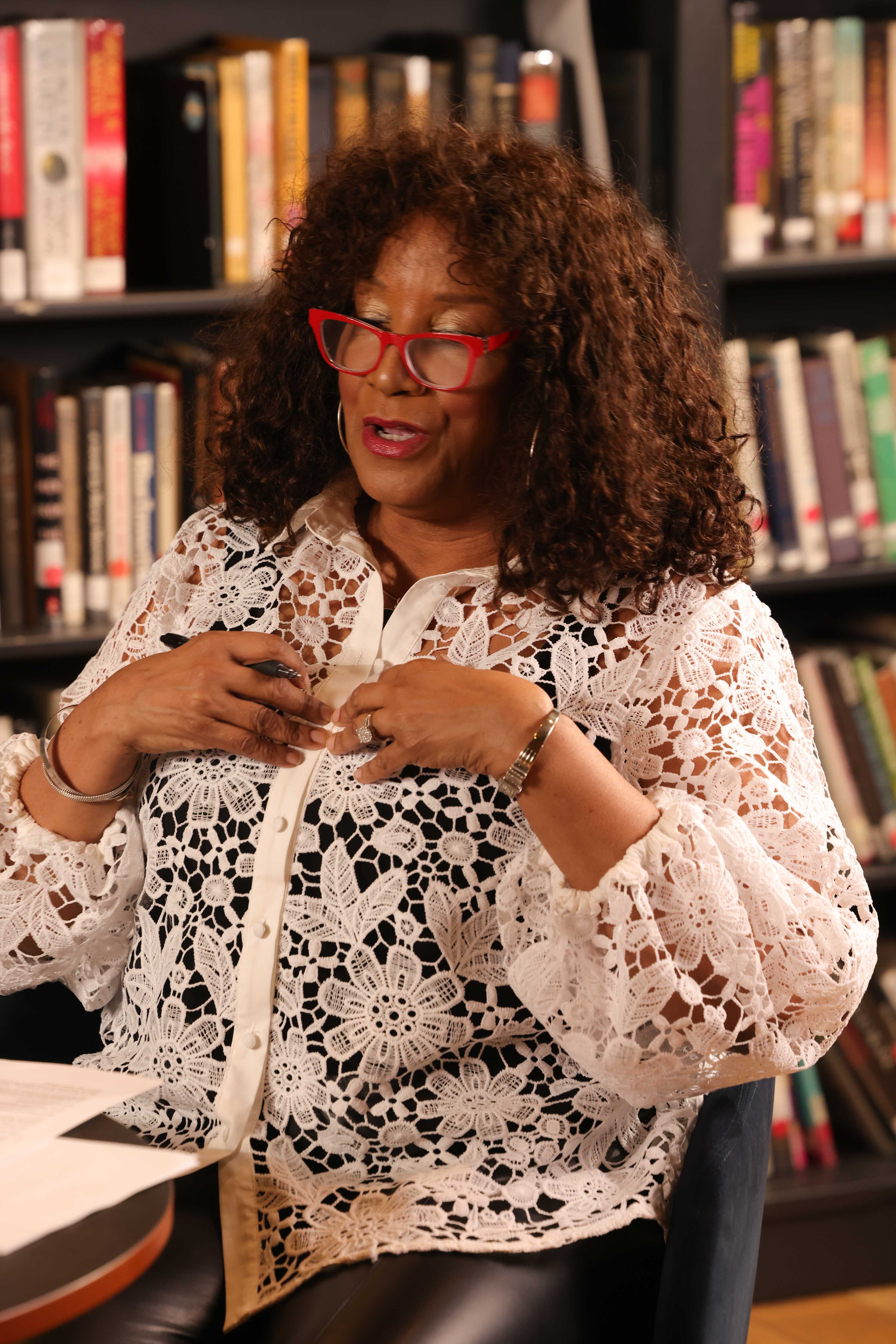
Led by Toni Williams, Brooklyn Savvy brings social justice issues to the forefront. The show features candid discussions, diverse voices, and powerful stories. It challenges the status quo and encourages viewers to think critically about the world around them.
Through engaging episodes, Brooklyn Savvy educates and empowers audiences. It offers a platform for dialogue and fosters a sense of community. By highlighting the experiences and perspectives of women, the show amplifies voices that are often overlooked.
Brooklyn Savvy isn’t just a talk show; it’s a movement. It’s a call to action for those who believe in the power of community care and collective action. And as viewers engage with the show, they become part of a larger journey toward social justice and equity.
By understanding the power of community care, we can build stronger, more resilient neighborhoods. Together, we can create a future where everyone has a voice and a place. So, let’s keep the conversation going and continue to support efforts that make a difference.

Leave a Reply