Resilient, Not Relentless: Tools for Sustainable Social Justice Work
Activist burnout isn’t a badge of honor—it’s a warning sign. You’ve been pushing hard for justice, but what keeps you going when the weight gets heavy? Building emotional resilience for activists means more than just surviving; it means creating space for rest, boundaries, and real healing. Let’s break down tools that keep your fire burning without burning you out. For more on sustaining yourself as an activist, check out this resource: [https://commonslibrary.org/sustaining-ourselves-as-activists/].
Building Emotional Resilience
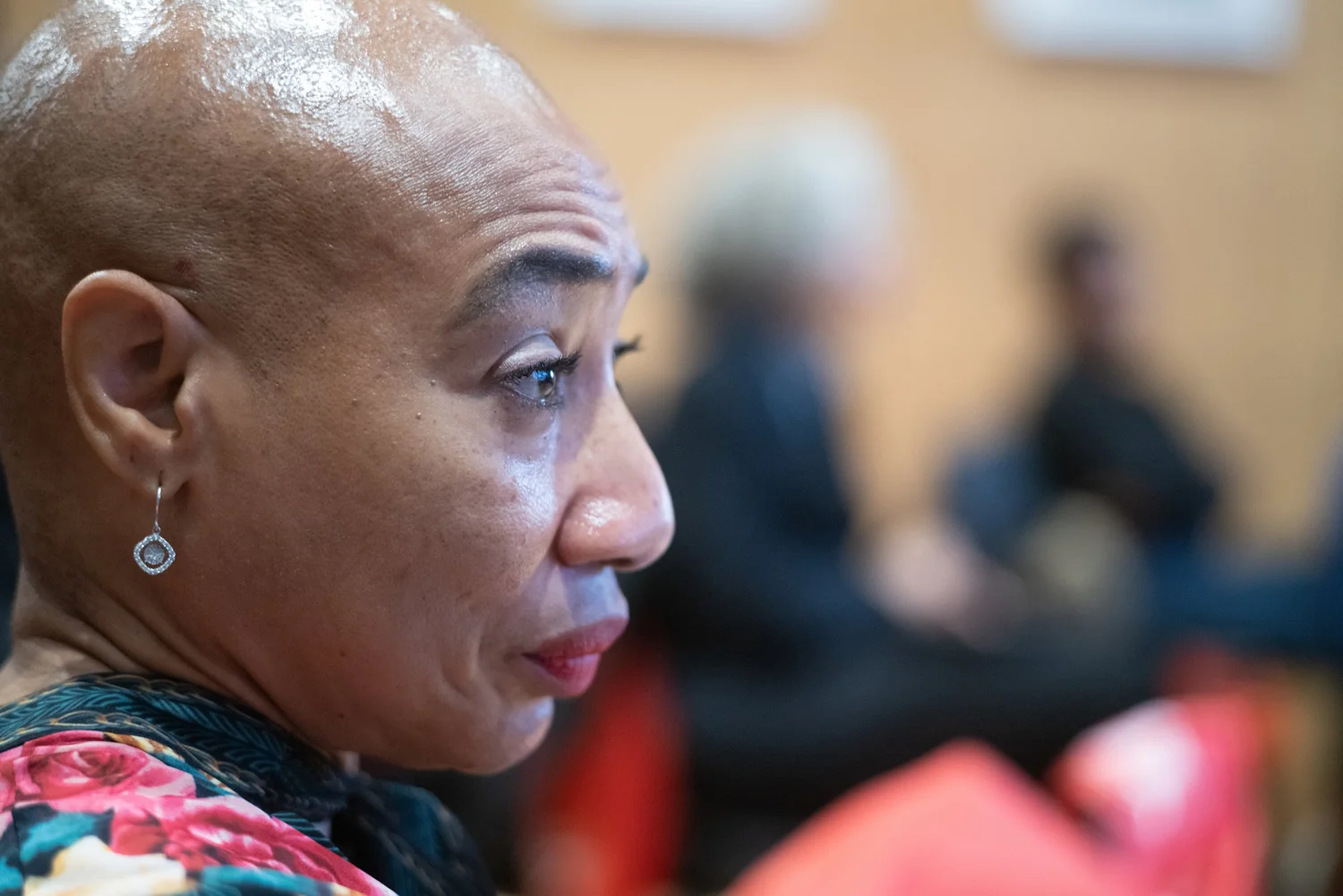
Activists often carry heavy loads, making it crucial to build emotional resilience. It’s about creating a sustainable path where activism doesn’t come at the cost of personal well-being.
Tools for Sustainable Activism
You may wonder, “How can I keep going without burning out?” Start by prioritizing self-care. Think of it as fuel for your activist journey. Set aside time weekly to recharge. This could mean engaging in a hobby or just taking a moment to breathe. Recognize that self-care is a form of activism. Check out this piece on emotional resilience in activism: The Power of Emotion in Activism.
Embracing Rest as Resistance
Imagine rest as a form of resistance. When you allow yourself to pause, you’re pushing against a culture that prizes relentless productivity. Rest isn’t a luxury; it’s essential. Give yourself permission to take breaks. Remember, your well-being fuels your effectiveness. Learn more about this idea in the Rest as Rebel guide.
Healthy Boundaries for Activists
Setting boundaries is key. They protect your energy and time. Practice saying “no” when you’re stretched too thin. It might feel uncomfortable at first, but it’s necessary. Boundaries help you maintain focus on what truly matters. Remember, it’s okay to step back when needed.
Community Care Strategies

While personal resilience is vital, leaning on community care amplifies support. Sharing burdens and resources creates a sustainable network.
Mutual Aid and Mental Health
Mutual aid isn’t just about resources; it’s about mental health too. When communities support each other, everyone thrives. Exchange skills, share meals, and offer emotional support. It’s a way to lighten the load collectively. Discover more about mutual aid here.
Trauma-Informed Activism
Trauma-informed approaches recognize the impacts of trauma on individuals and communities. They foster safer spaces for healing and activism. Awareness and sensitivity can transform activist spaces into sanctuaries for all involved. Explore trauma-informed practices here.
Urban Community Wellness
Urban areas are buzzing with energy and challenges. Urban wellness means creating green spaces, supporting local projects, and fostering connections. It’s about crafting environments where activists and communities can thrive together.
Reflective Practices for Change

Reflection is a powerful tool for growth. It allows you to learn from experiences and adjust strategies for greater impact.
Mindfulness for Activists
Mindfulness keeps you grounded. It’s about being present and aware. Try integrating moments of mindfulness into your day. This practice can reduce stress and enhance focus. A few deep breaths can make a world of difference.
Somatic Practices for Stress
Listen to your body’s signals. Somatic practices, like gentle stretching or yoga, help release tension. They connect you with your body, offering relief from stress and anxiety. Simple movements can transform your state of mind.
Healing Justice and Resilience Toolkit
Creating a resilience toolkit involves gathering strategies and resources that support your mental health. This might include affirmations, supportive contacts, or self-care routines. A well-stocked toolkit provides comfort and strength during challenging times.
🌟




Leave a Reply