Latest
-

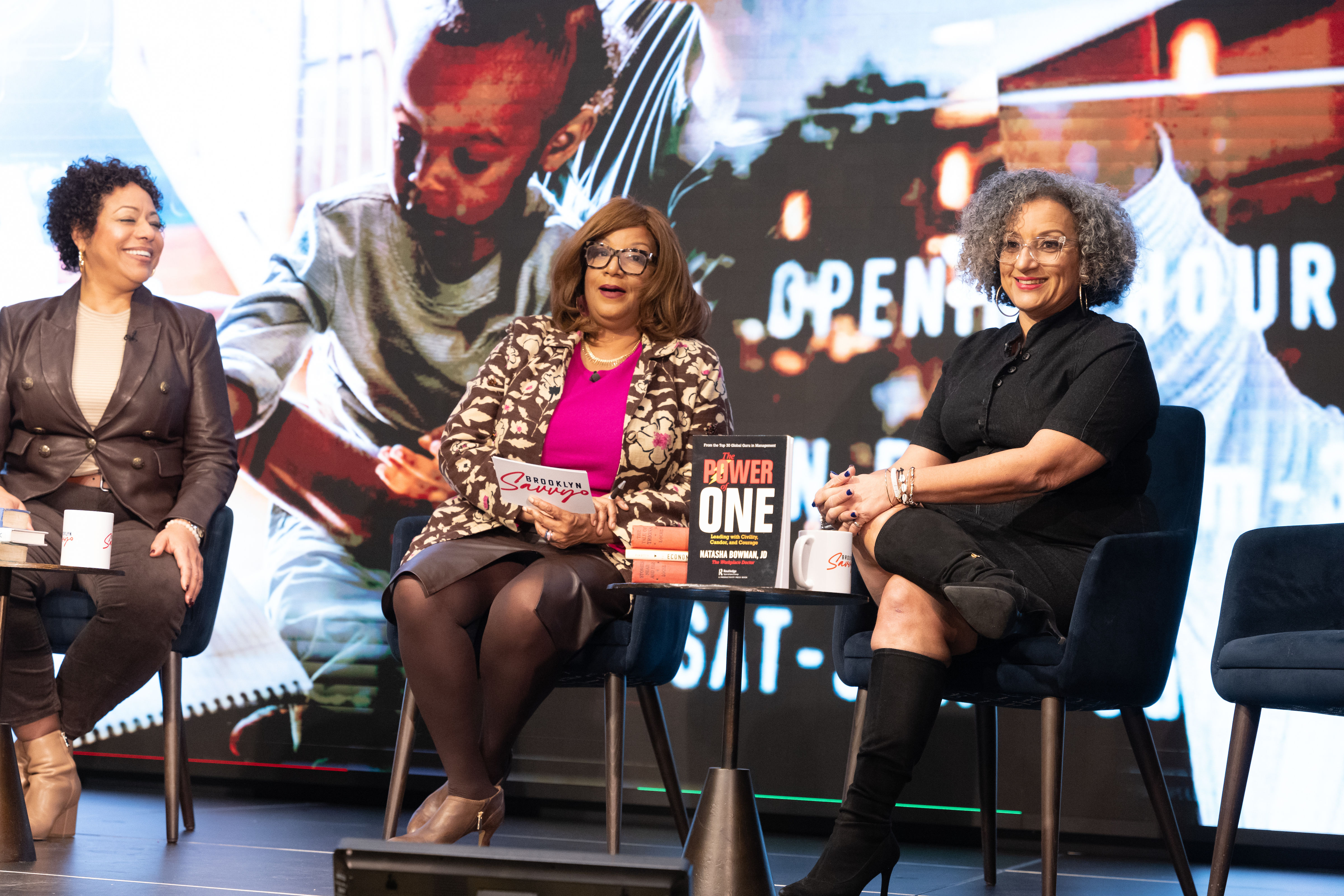
This guide outlines building brave, inclusive dialogues that center women’s voices, foster psychological safety, apply restorative justice, and use media and DEI strategies to drive social justice and community growth.
-

Emotional labor, especially for women of color, is an unseen burden impacting mental health. Setting boundaries, prioritizing rest, community care, and accountable allyship are key to sharing this labor and fostering equity.
-

Women-led conversations, like Brooklyn Savvy’s, amplify marginalized voices, highlight intersectionality, and foster community engagement, reshaping social justice narratives with diverse, actionable perspectives.
-
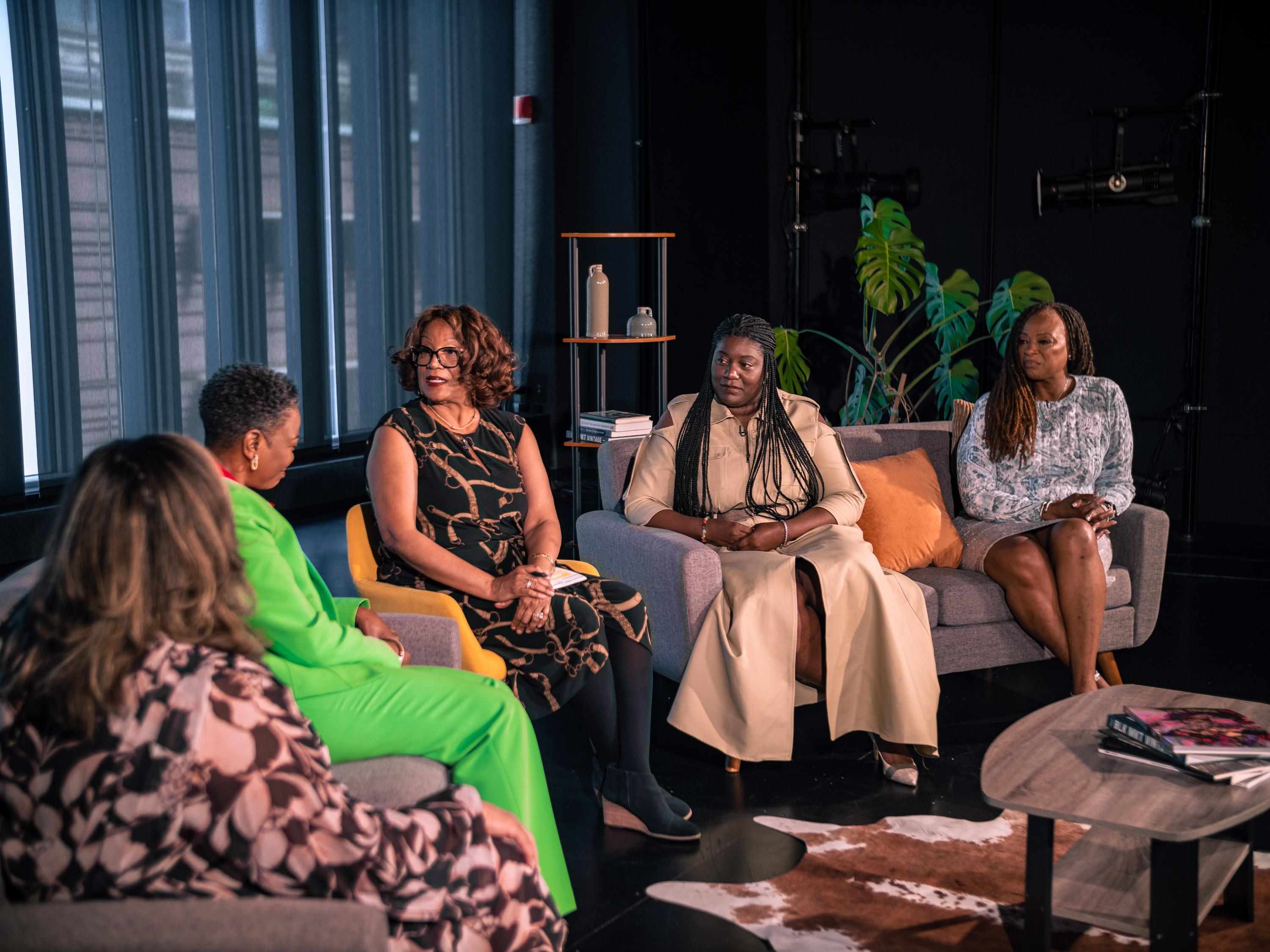
This guide emphasizes creating brave, psychologically safe spaces for dialogue that amplify women’s voices, navigate cancel culture with empathy, use call-in/call-out strategies, build community agreements, and apply restorative justice for inclusive, equitable conversations.
-

Real allyship means consistent, meaningful actions supporting marginalized groups privately and publicly—at home, work, and community—focusing on education, intervention, solidarity, and accountability beyond performative gestures.
-

Language bias in social justice spaces undermines marginalized voices through tone policing, accent bias, and narrow professionalism standards. Tools and inclusive practices help amplify these voices, especially Black women.
-
Spotting true allyship means recognizing consistent support beyond performative acts, especially under pressure. Build accountability through honest feedback, call-in culture, intersectional networks, and empower marginalized voices.
-

Community care fosters safety through mutual aid, collective care, and restorative justice, empowering communities—especially women-led—to address harm and inequality, unlike restrictive policing and surveillance.
-
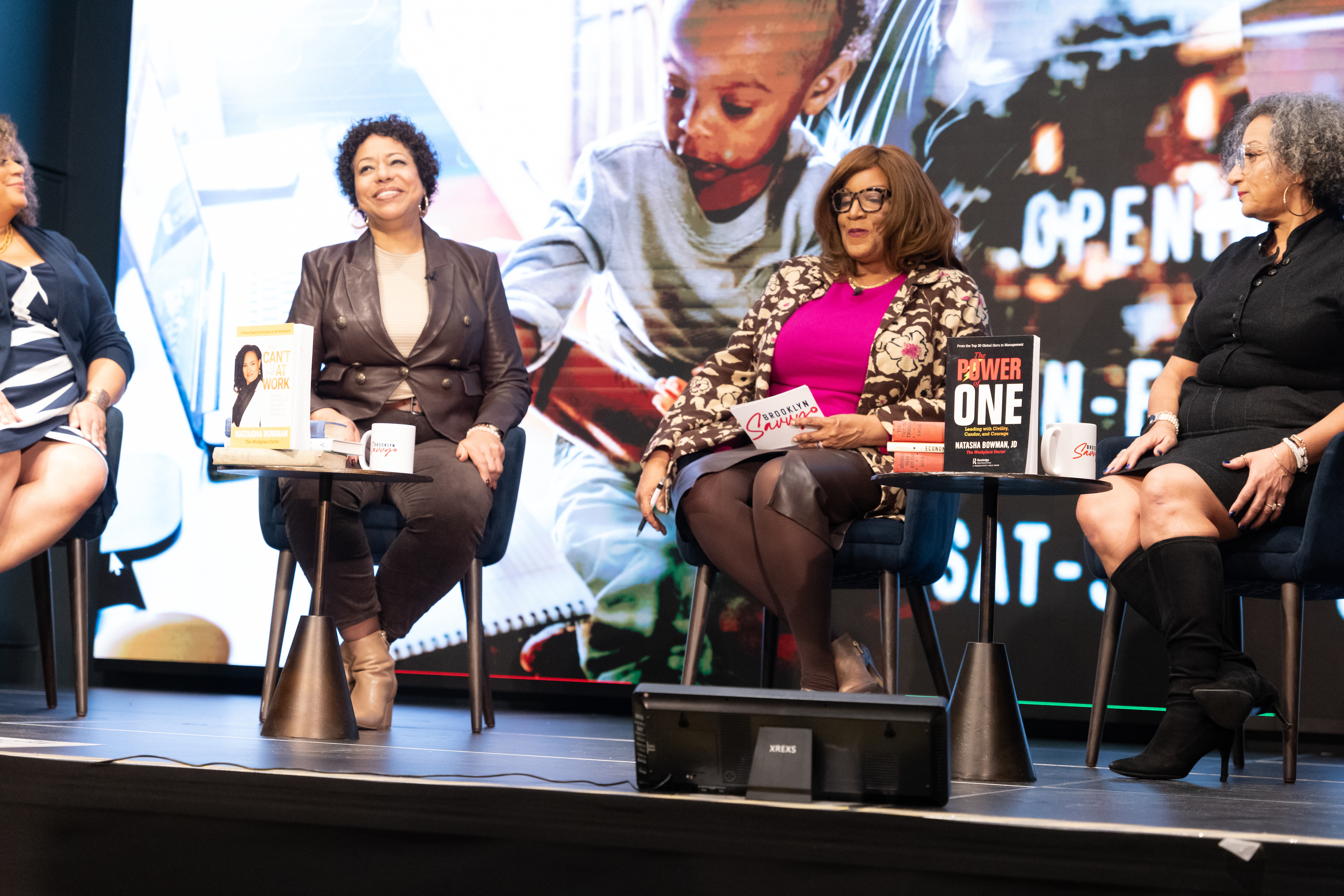
True equity requires redistributing power, not just diverse presence. Inclusion invites diverse voices; equity ensures marginalized groups, especially women of color, hold decision-making authority to drive real change.
-

Brooklyn Savvy centers women’s voices to reshape narratives, deepen empathy, drive cultural shifts, and influence policy, fostering community dialogue and empowering social justice activism.