Latest
-

Stigma persists through unnoticed habits like unconscious bias and microaggressions, reinforcing social inequalities. Brooklyn Savvy promotes awareness, dialogue, and allyship to disrupt these patterns.
-

Emotional labor in social justice, largely borne by women of color, leads to burnout and invisibility. Sustainable activism requires boundary setting, community care, trauma-informed practices, and equitable leadership.
-

Everyday language often embeds unconscious bias, reinforcing stereotypes and exclusion. Adopting inclusive, gender-neutral, and decolonized terms fosters respect, allyship, and social justice awareness.
-

The article critiques respectability politics for masking systemic injustice, highlights how tone policing and code switching silence marginalized women’s voices, and calls for embracing diverse identities to drive true social change.
-
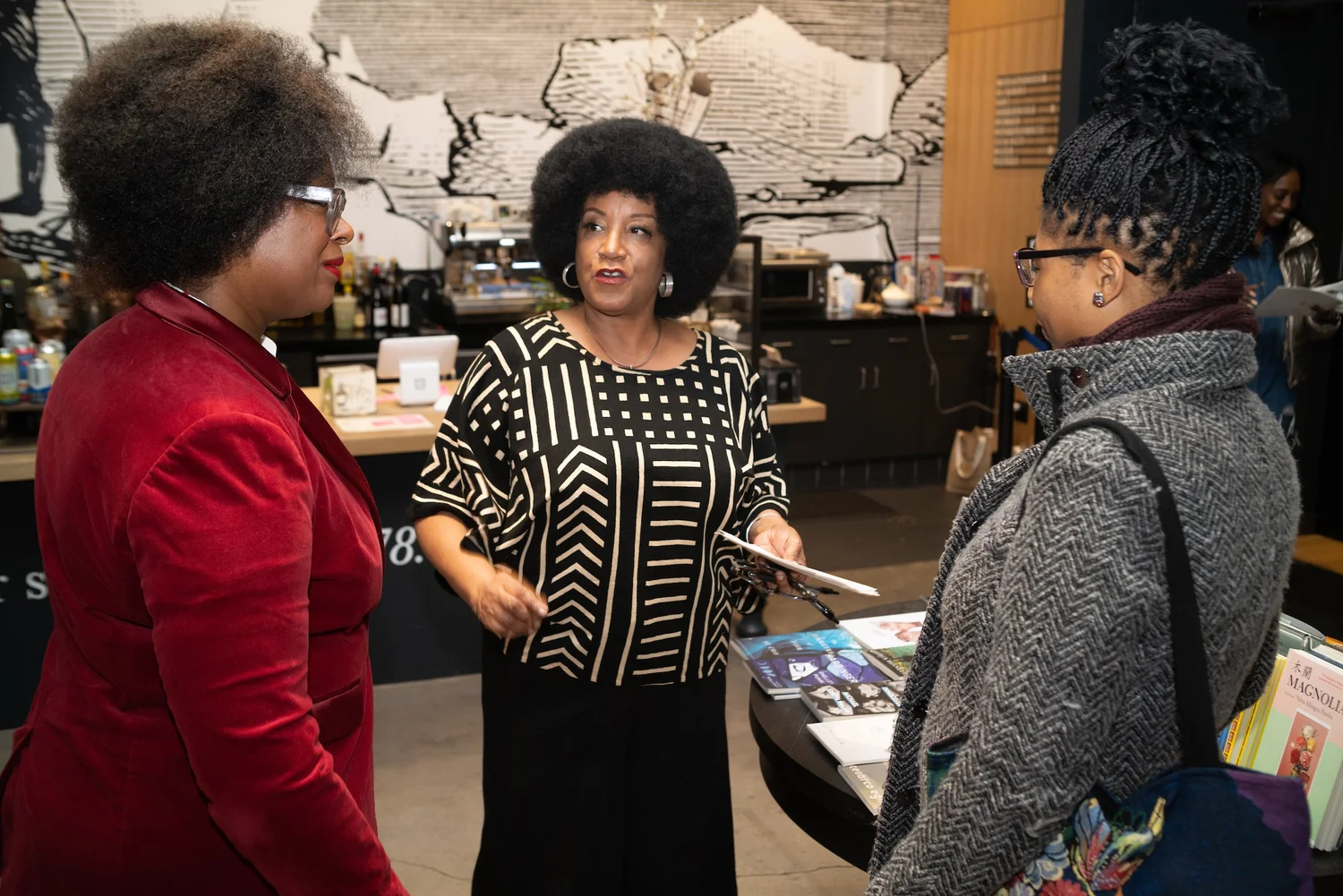
Everyday words, jokes, and social media habits often reinforce mental health stigma. Women’s empathy, inclusive language, diverse leadership, and community dialogue are key to unlearning stigma and promoting equity.
-

Women-centered media like Brooklyn Savvy amplifies diverse women’s voices, advancing gender equity, intersectionality, and civic engagement to drive social justice and empower urban communities.
-

True inclusion requires shifting power, not just diverse representation. Structural change, equitable resource allocation, inclusive leadership, and DEI accountability are essential for racial, gender, and budget justice.
-
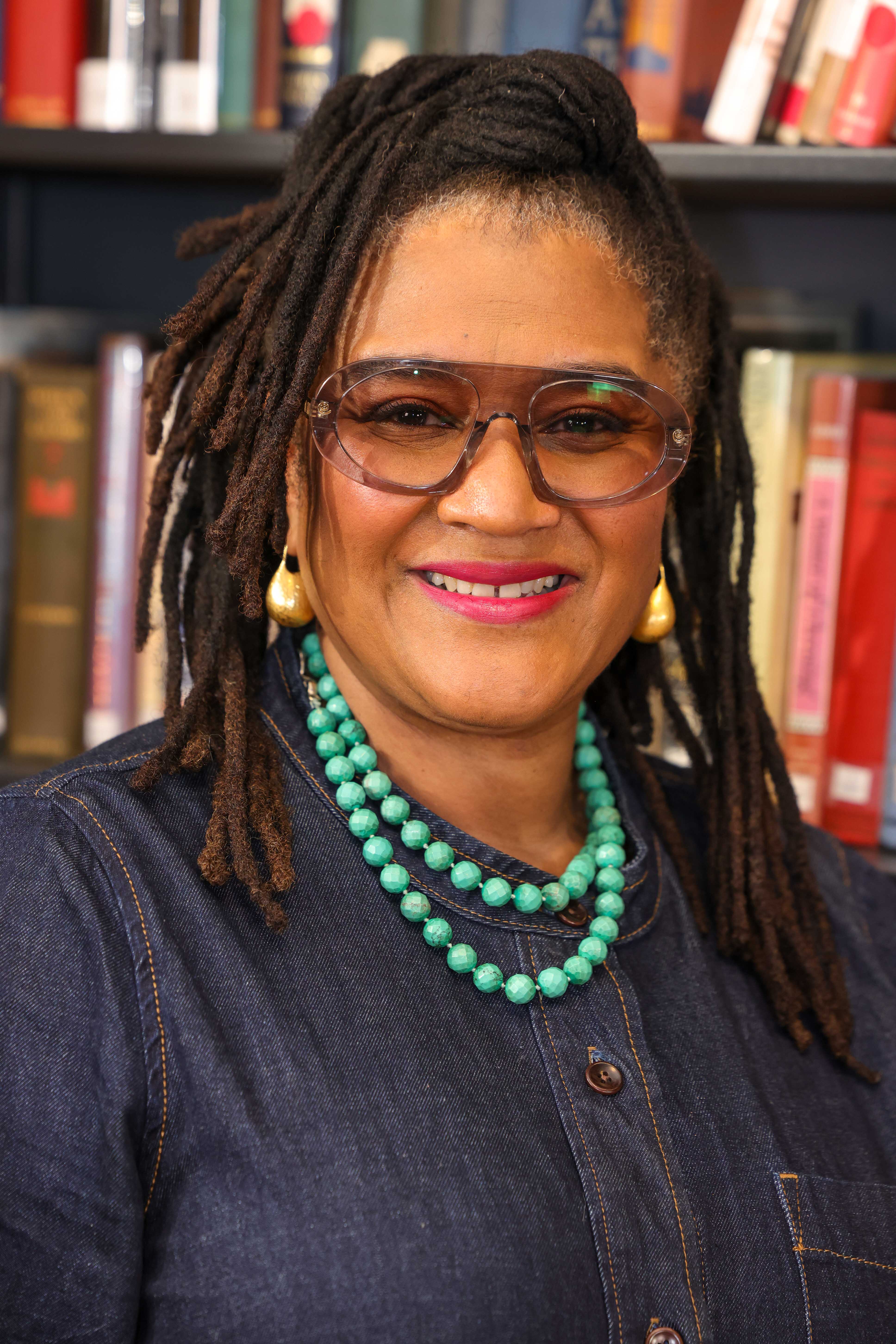
Tone policing silences marginalized voices, forcing emotional labor, code-switching, and respectability politics. Active listening, trauma-informed dialogue, and inclusive leadership empower authentic truth-telling.
-
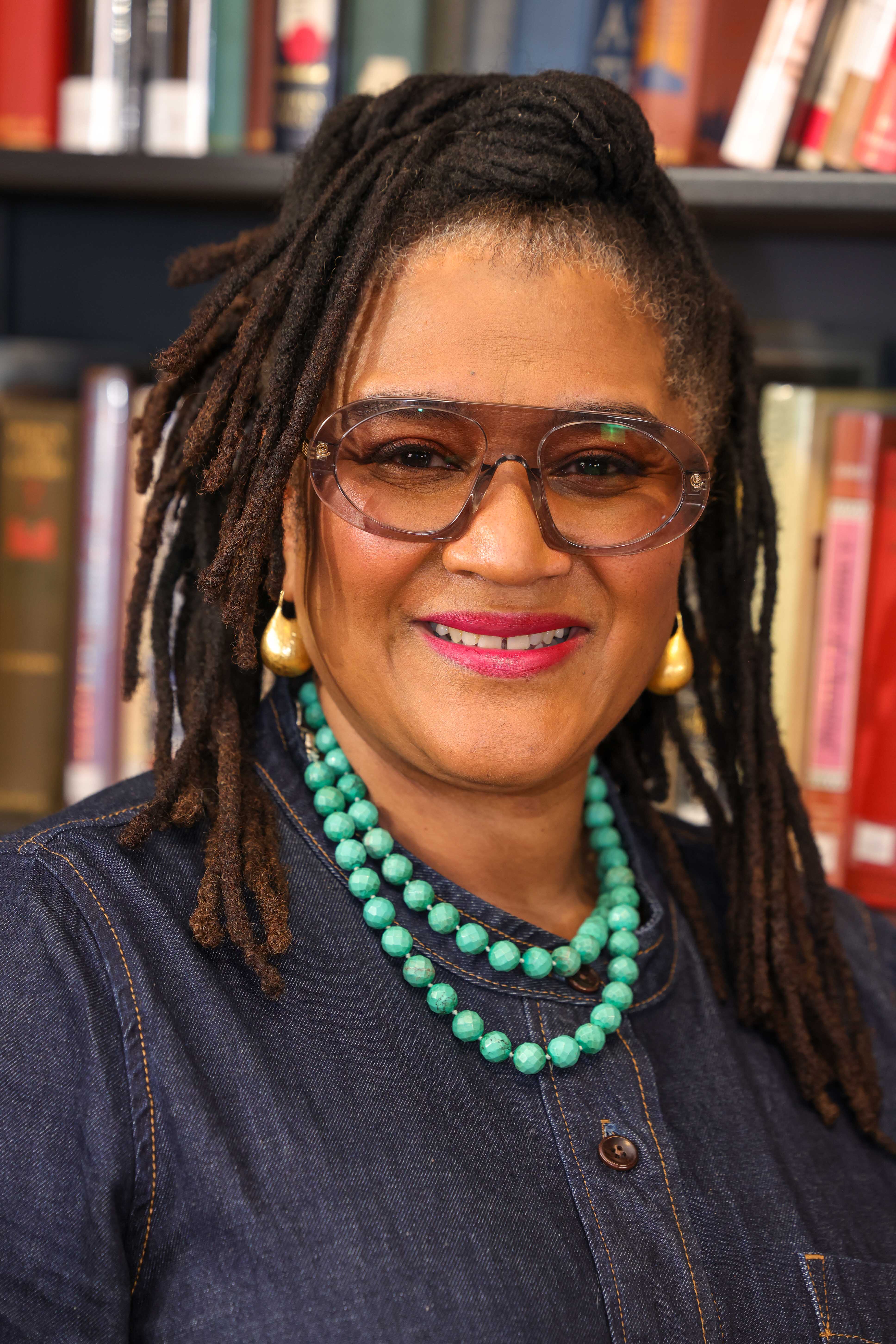
Accountability in equity-centered dialogue means owning actions, repairing harm, and fostering trust through repair, community care, inclusive facilitation, and promoting psychological safety for genuine, respectful conversations.
-

Performative inclusion offers surface-level diversity without real change. True progress requires structural reform, leadership accountability, measurable outcomes, and amplifying diverse women’s voices for lasting equity.