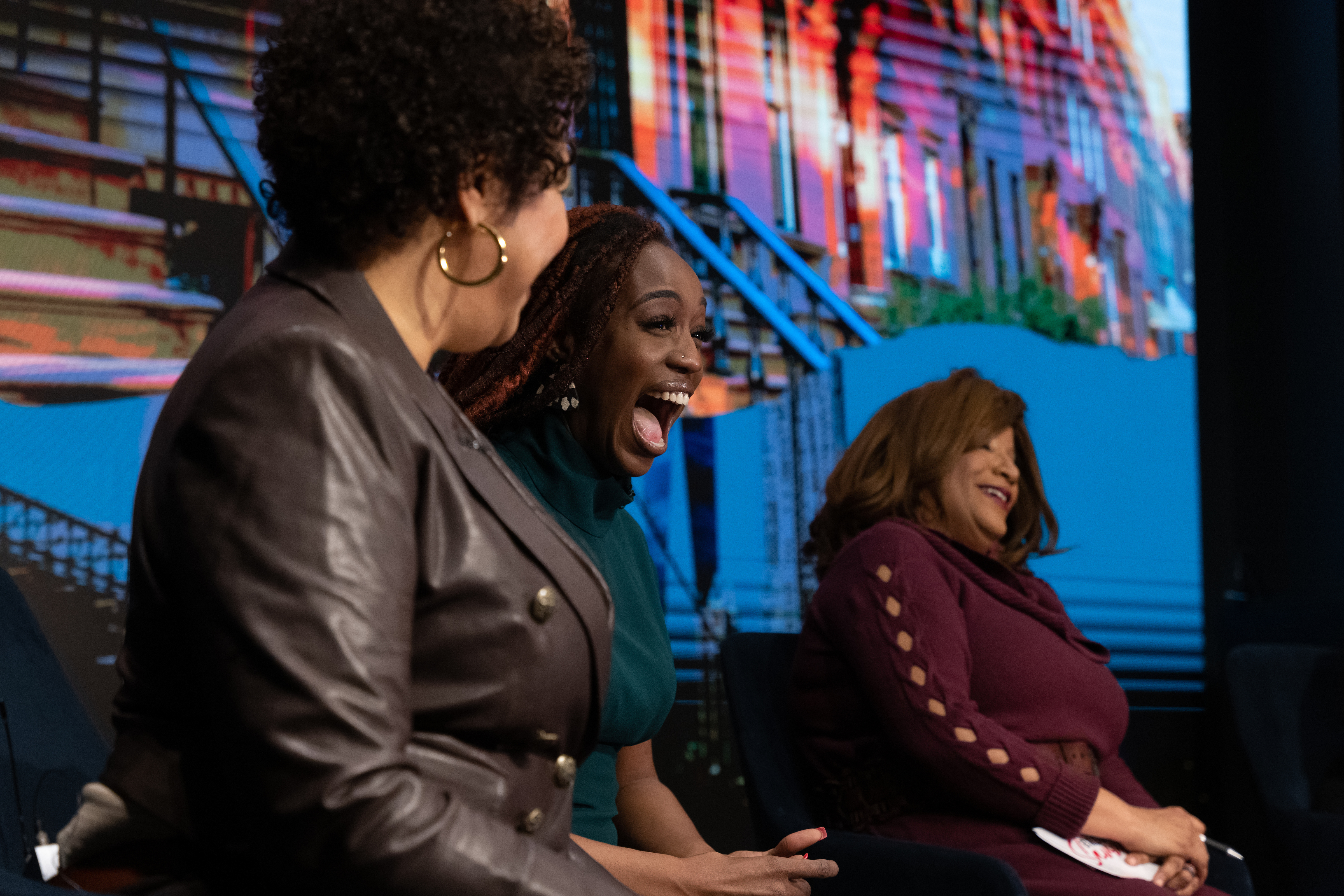
Tone policing doesn’t just mute marginalized voices—it drains them. When women of color and other sidelined groups soften their truth, they carry the weight of emotional labor, code-switching, and respectability politics. This hidden cost isn’t just personal; it shapes how communities show up and demand change. Let’s unpack why tone policing hurts and how allies can help build spaces where truth-telling is not just allowed but welcomed. Check out our conversation on Brooklyn Savvy to dive deeper into this issue.
The Price of Tone Policing
Silencing Marginalized Voices
Tone policing often silences the very voices that need to be heard. Imagine telling someone to whisper when they’re standing up against injustice. When marginalized people, like women of color, are asked to soften their words, it’s like asking them to carry a heavier load uphill. This is not just about words but about the struggles behind them. Every time a voice is muted, a powerful story remains untold. Our communities lose valuable insights that could drive real change and understanding. The cost of silence is too high for those who are already burdened by inequality.
Emotional Labor and Code-Switching
Emotional labor is the unseen work that marginalized people do to navigate spaces that aren’t built for them. Imagine constantly adjusting how you speak or act to fit in. This is called code-switching. For many, especially women of color, it’s like wearing a mask all day. It drains energy and affects mental health. Code-switching can feel like performing on a tightrope without a safety net. The mental toll is immense, and it often goes unnoticed by those who don’t have to perform it.
Respectability Politics Unpacked
Respectability politics is about changing yourself to gain respect from those in power. But why should someone have to change their identity to be treated fairly? This expectation is unfair and damaging. It suggests that being “acceptable” is more important than being authentic. This approach can lead to self-doubt and a sense of being untrue to oneself. Communities miss out on genuine diversity and the strength it brings when individuals feel pressured to conform.
Tools for Building Brave Spaces

Practicing Active Listening
Active listening is a powerful way to create spaces where all voices can thrive. It means really hearing what someone is saying, not just waiting for your turn to speak. This practice helps you understand perspectives that are different from your own. It invites people to share their truth without fear of judgment. When you listen actively, you show that every voice matters, changing the dynamic from talking over to talking with.
Trauma-Informed Dialogue Tips
Engaging in conversations with a trauma-informed mindset is essential. This means being aware that people may carry past hurts and approaching discussions with sensitivity. Start by creating a safe environment. Use language that is inclusive and supportive. Acknowledge the emotions involved and offer empathy. These simple steps can make a huge difference in making someone feel seen and heard.
Centering Marginalized Voices
To truly support marginalized communities, centering their voices is crucial. This means letting them lead the conversation and valuing their experiences as the foundation for change. Listen to their stories, amplify their messages, and give them the platform they deserve. This not only fosters inclusion but strengthens community ties and paves the way for genuine progress.
Empowering Allies and Communities

Inclusive Leadership Strategies
Inclusive leadership is about creating an environment where everyone feels valued and included. Leaders can set the tone by actively seeking diverse perspectives and making sure all voices are heard. Encourage openness and build a culture of trust. When leaders model inclusivity, it inspires others to do the same, creating a ripple effect of positive change.
Community Empowerment in Urban Spaces
Urban communities thrive when empowered to make decisions that affect them. Encourage participation in local initiatives and support grassroots movements. These actions help build a sense of ownership and pride in one’s community. When people feel empowered, they are more likely to engage in activities that promote growth and development.
The Role of Media in Equity
Media has a powerful role in shaping perceptions and promoting equity. It can highlight stories that humanize marginalized communities and drive societal change. By choosing to focus on diverse narratives, media outlets can challenge stereotypes and foster understanding. Engaging with content that amplifies marginalized voices is a step towards creating a more equitable world.
Frequently Asked Questions
What is tone policing and why is it harmful?
Tone policing is when someone focuses on how something is said rather than what is being said. It is harmful because it often silences important messages from marginalized groups.
How does code-switching affect mental health?
Code-switching can lead to mental fatigue and stress. Constantly adjusting one’s speech or behavior to fit in takes a toll on mental well-being.
What are some ways to practice active listening?
To practice active listening, focus on the speaker, avoid interrupting, and show empathy through body language. Reflect on what is being said to ensure understanding.

Leave a Reply