Stigma doesn’t just vanish overnight. It hides in the small things we say and do without even noticing—phrases, jokes, policies, and the way we scroll through our feeds. These everyday habits keep stigma loud, especially in urban communities where the struggle for mental health equity and inclusive language is real. Let’s unpack how unlearning stigma starts with you, from a women’s perspective, and why tuning into Brooklyn Savvy with Toni Williams is the first move you want to make.
Everyday Habits That Fuel Stigma
Every day, without realizing it, we might be reinforcing stigma in our communities. Let’s explore how our words and actions can perpetuate harmful stereotypes and biases.
Unpacking Common Phrases
You might not think twice about the words you use, but language holds power. Phrases like “crazy” or “insane” are often tossed around casually. These terms, however, trivialize serious mental health issues. By choosing words carefully, you show respect and understanding. Consider swapping “crazy” with “unbelievable” or “wild.” It’s a simple change, but it makes a difference. Research suggests that language shapes attitudes. For example, the phrase “suffering from” can imply weakness, while “living with” acknowledges strength and resilience (source).
Harmful Jokes We Tell
Jokes can be a way to bond, yet they can also hurt. Comments that poke fun at mental health or certain groups reinforce negative stereotypes. Imagine how it feels to hear a joke that mocks something deeply personal. Instead of perpetuating these narratives, you can choose humor that uplifts. Many people don’t realize the impact of these jokes until they hear how they affect others. By listening and empathizing, you can create a space where everyone feels valued.
Scroll Patterns of Bias
Scrolling through social media can seem harmless, but it’s where biases often hide. Algorithms feed us content similar to what we already consume. This creates echo chambers that reinforce existing beliefs. By diversifying your feed, you expose yourself to new perspectives. Following voices from different backgrounds can challenge your thinking and broaden your view. This conscious choice to explore beyond your comfort zone helps combat biases ingrained in our digital habits.
Unlearning Stigma: A Women’s Perspective

Women have a unique role in reshaping conversations around stigma. By leading with empathy and awareness, they can drive change in meaningful ways.
Strategies for Inclusive Language
Inclusive language begins with the intention to understand rather than judge. When you choose words thoughtfully, you foster an environment of respect. Start by listening more and speaking less. Asking people how they prefer to be addressed shows respect. It’s not just about avoiding offensive terms, but also about being mindful of how language evolves. By keeping up with these changes, you demonstrate a commitment to inclusivity.
Mental Health Equity and Allyship
Allyship means standing in solidarity with those facing mental health challenges. It’s about recognizing that mental health is as important as physical health. Urban communities often face barriers to accessing mental health resources. By advocating for equal access, you support efforts towards health equity. This can include sharing information about free resources or supporting policies that prioritize mental health funding. It’s about taking concrete steps to be part of the solution.
Lessons from Diverse Leaders
Diverse leaders bring invaluable insights into the fight against stigma. They teach us that everyone’s experience is different, and all voices matter. Listening to these leaders can shift perspectives and inspire action. Their stories highlight the importance of representation and the power of community. When you amplify diverse voices, you contribute to a collective movement towards understanding and acceptance.
Sparking Community Dialogue

Engaging in conversations about stigma can feel daunting, but it’s a crucial step towards change. Dialogue encourages understanding and breaks down barriers.
Engaging Panel Discussions
Panel discussions offer a platform for sharing ideas and experiences. They connect individuals from different backgrounds to discuss societal issues. By participating, you not only learn but also contribute to a culture of open dialogue. Hearing multiple viewpoints challenges assumptions and encourages empathy. It’s an opportunity to ask questions and grow in understanding.
Power of Viewing Circles
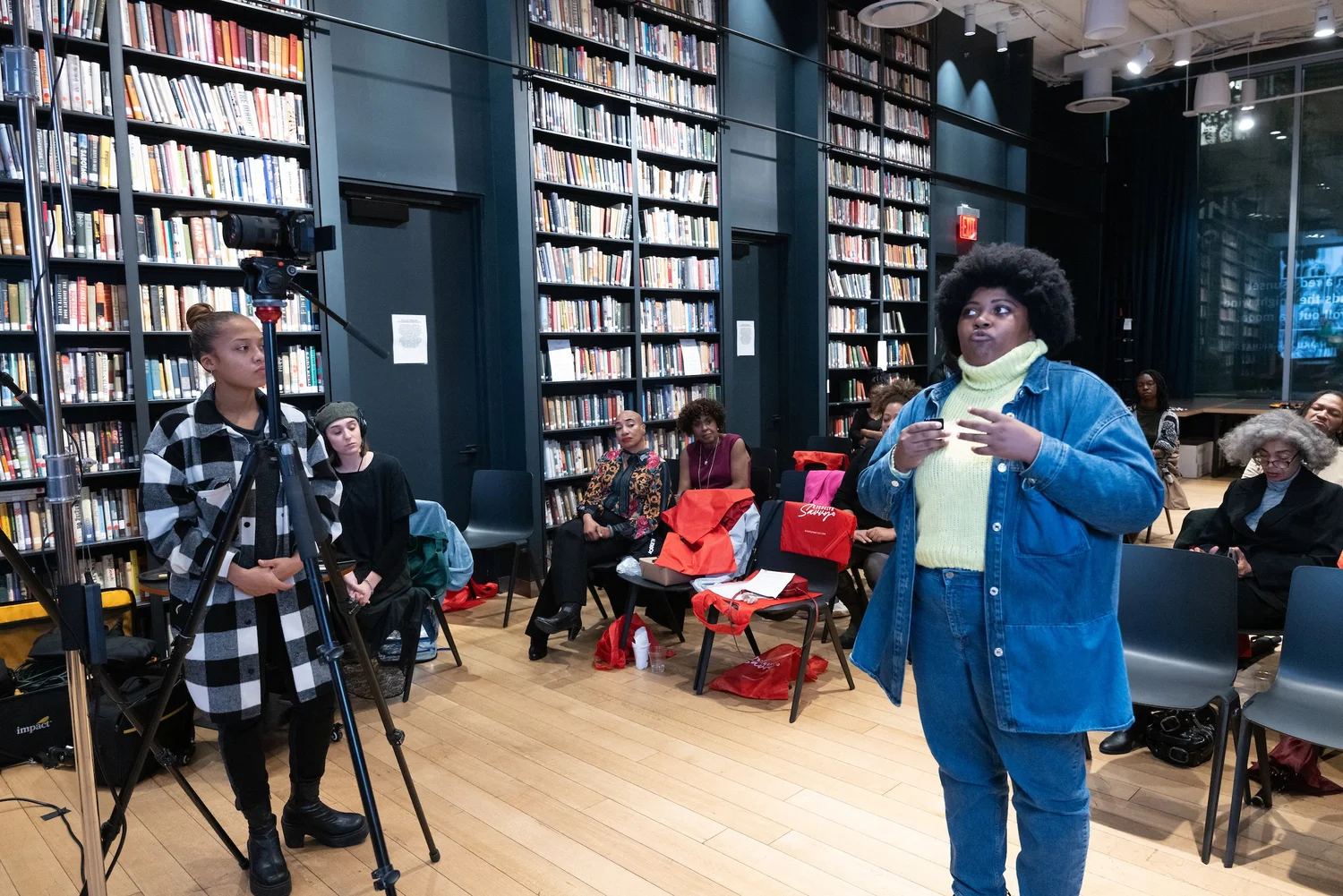
Viewing circles are intimate spaces where people come together to watch and discuss content. This format encourages active participation and reflection. By engaging with others, you gain insights into how different experiences shape perceptions. These circles promote a sense of community and belonging. They remind us that we’re not alone in the journey towards change.
Impact of Mission-Driven Merchandise 🌟
Merchandise can be more than just products; it can drive a mission. Supporting brands that align with social justice values is a form of activism. When you wear or use items that promote awareness, you start conversations. It’s a way to express your values and inspire others to think critically. Mission-driven merchandise serves as a reminder that change starts with everyday actions.
Frequently Asked Questions
What are common phrases that perpetuate stigma?
Phrases like “crazy” and “insane” are commonly used but can trivialize mental health issues. Instead, try alternatives like “unbelievable” or “wild” to show respect and understanding.
How can jokes contribute to stigma?
Jokes that mock mental health or certain groups reinforce negative stereotypes and can be hurtful. Choosing humor that uplifts rather than harms can create a more inclusive environment.
Why is language important in discussing stigma?
Language shapes attitudes and perceptions. Using inclusive language fosters respect and understanding, making it crucial in discussions about stigma.
What role do women play in unlearning stigma?
Women, by leading with empathy and awareness, can drive meaningful change in conversations about stigma, promoting inclusivity and understanding.
How can I engage in community dialogue about stigma?
Participate in panel discussions and viewing circles to share and listen to diverse perspectives. These platforms encourage open dialogue and understanding.


Leave a Reply