Performative inclusion is everywhere, but it’s rarely as clear as it seems. You catch buzzwords thrown around, token shout-outs, and calls for “diversity” that feel more like decoration than real change. If you’re tired of conversations that sound good but don’t hold up, it’s time to spot the signs and push for authentic allyship. Keep reading to get the scripts, cues, and quick self-checks that cut through performative inclusion and bring real talk to your community. Check out more insights here.
Recognizing Performative Inclusion
Spotting the signs of performative inclusion is the first step toward meaningful change. Each red flag can guide you in identifying superficial gestures versus genuine efforts.
Spotting Buzzwords Without Receipts
Listen closely to the words used in conversations about inclusion. Are they just throwing around terms like “diversity” and “inclusion” without any real backing? This is a classic sign of performative inclusion. If someone mentions a commitment to these values, they should also offer evidence. Ask questions: What actions are being taken? How do they measure success? Without concrete steps or results, these words might be just for show, much like this example where inclusion is discussed but not implemented.
Token Shout-Outs: A Red Flag
Token shout-outs can seem like recognition, but they often lack substance. When you see a company or individual spotlighting a person of color or a marginalized group just for appearances, it’s a red flag. It’s important to see how often this happens and whether those highlighted are given real opportunities to contribute and lead. Consider if their stories are being shared in a meaningful way or if they are simply being used as a checkbox for diversity.
Fragility-Centering in Conversations
Fragility-centering shifts focus from the needs of marginalized communities to the discomfort of those in power. If discussions about equity often circle back to reassuring the privileged or avoiding discomfort, it’s a sign of fragile inclusion. True allyship involves being uncomfortable, listening, and growing. Recognize when conversations veer away from addressing real issues, and gently bring them back to focus on fostering understanding and change.
Navigating Authentic Dialogue

Moving from performative to authentic conversations begins with understanding how to communicate effectively. Let’s explore ways to engage in meaningful dialogue.
Call-Out vs Call-In: Making the Choice
Knowing when to call-out or call-in is crucial for productive conversations. A call-out is public and direct, used for serious issues needing immediate attention. Meanwhile, a call-in is private and nurturing, ideal for educating or correcting someone willing to learn. Choose based on the situation’s context and what will best promote growth. This approach helps maintain relationships while pushing for accountability.
Scripts for De-escalation and Boundaries
Scripts can be your guide when emotions run high or boundaries are crossed. Here’s one: “I hear your point, but this conversation is making me uncomfortable. Can we pause and revisit this?” Another script might be: “I appreciate your perspective, but I need time to process.” These tools help keep discussions constructive and respectful while ensuring everyone feels heard and respected.
Self-Audit: Checking Our Blind Spots
Conducting a self-audit helps you recognize your own biases and blind spots. Reflect on your actions: Are you listening more than speaking? Do you amplify marginalized voices? Evaluate your interactions and adjust accordingly. Acknowledging where you fall short is the first step to becoming a better ally. Make this a regular practice to stay grounded and informed.
Building Inclusive Spaces

Creating genuine inclusivity requires conscious efforts beyond words. Let’s delve into strategies that build truly inclusive environments.
DEI Accountability in Urban Communities
To ensure diversity, equity, and inclusion are more than buzzwords, communities must hold themselves accountable. This involves setting clear goals, measuring progress, and being transparent about successes and failures. Urban communities, in particular, can lead by example by actively engaging with diverse groups and fostering dialogue. This article explains how genuine DEI practices can make a real difference.
Women’s Voices in Social Justice Conversations
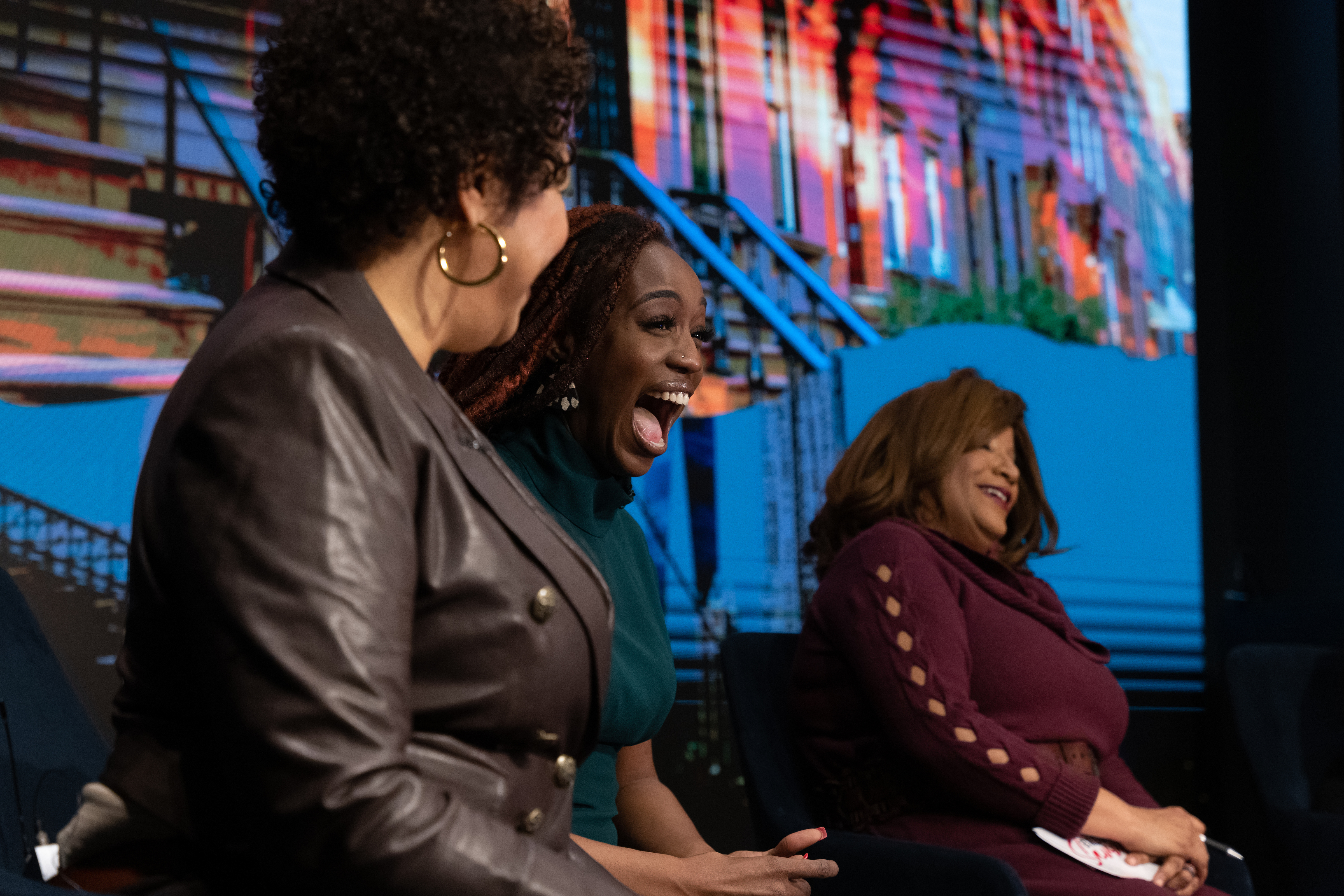
Women’s voices are crucial in social justice discussions. They bring unique perspectives and drive change with empathy and strength. Amplify these voices by ensuring they have space at the table and are part of decision-making processes. Encourage women to share their stories, and listen actively. This not only enriches conversations but also leads to more comprehensive solutions.
Creating Psychological Safety at Work
Psychological safety is a cornerstone of inclusive workspaces. Employees must feel safe to express ideas, ask questions, and make mistakes without fear of repercussion. Leaders can foster this environment by encouraging open dialogue, being approachable, and valuing each contribution. This not only boosts morale but also drives innovation and collaboration.
Frequently Asked Questions
What is performative inclusion?
Performative inclusion refers to superficial gestures of diversity and equity without real commitment or action. It often involves using buzzwords or token gestures without backing them with meaningful change or accountability.
How can I identify tokenism in my workplace?
Tokenism often appears as isolated instances of diversity without genuine integration. Look for patterns where certain individuals are highlighted but not given equal opportunities or voice in decision-making processes.
Why is psychological safety important at work?
Psychological safety allows employees to speak up, share ideas, and take risks without fear. It fosters a culture of innovation, inclusivity, and collaboration, leading to better outcomes for the organization.
How do I know if I should call-out or call-in?
Consider the situation’s context and the person’s openness to learning. A call-out is suitable for public accountability or severe issues, while a call-in is better for private, empathetic correction and education.
How can I be a better ally in social justice conversations?
Listen actively, educate yourself, and amplify marginalized voices. Engage in self-reflection to understand your biases and take actionable steps to support equity and inclusion in your community.


Leave a Reply