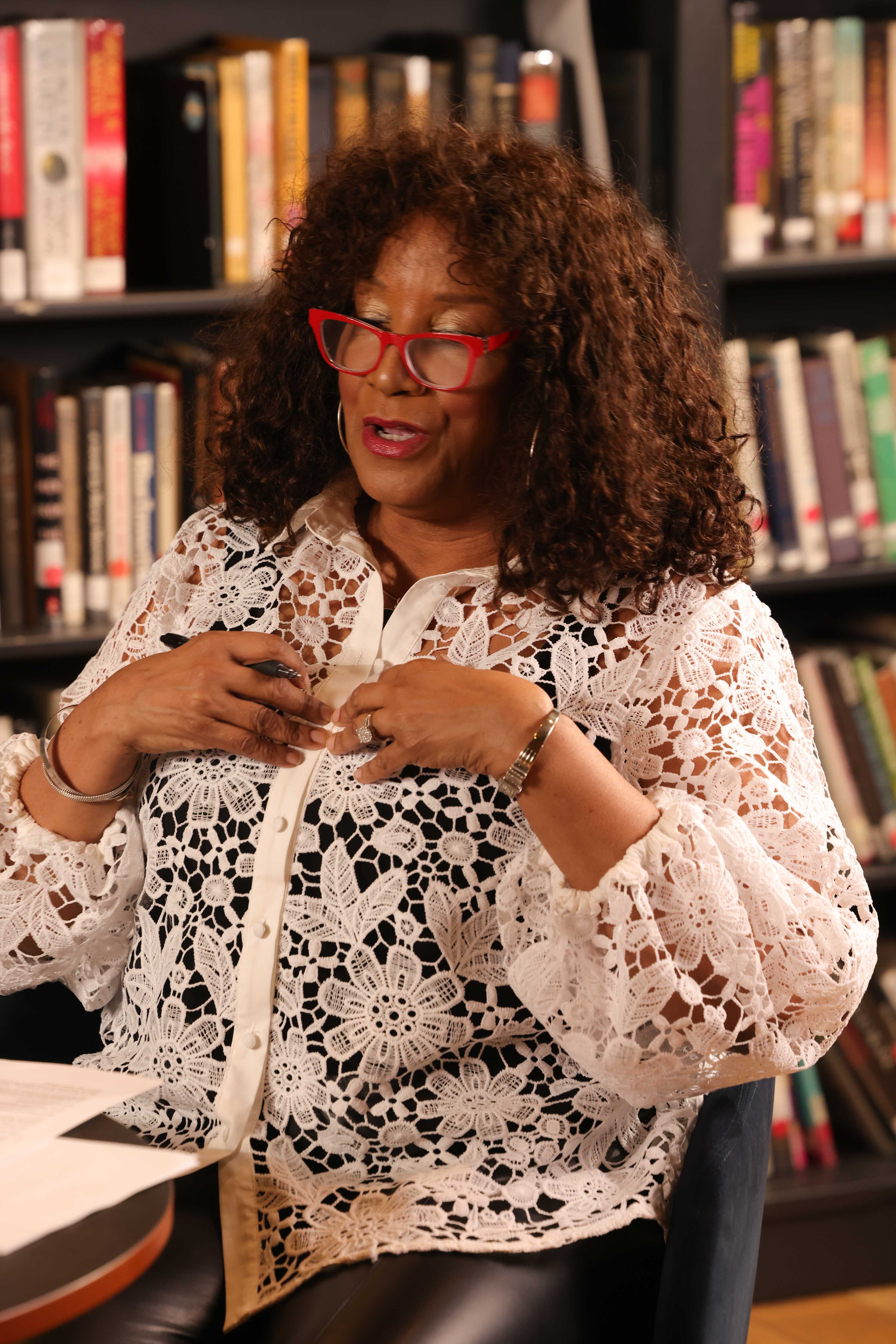
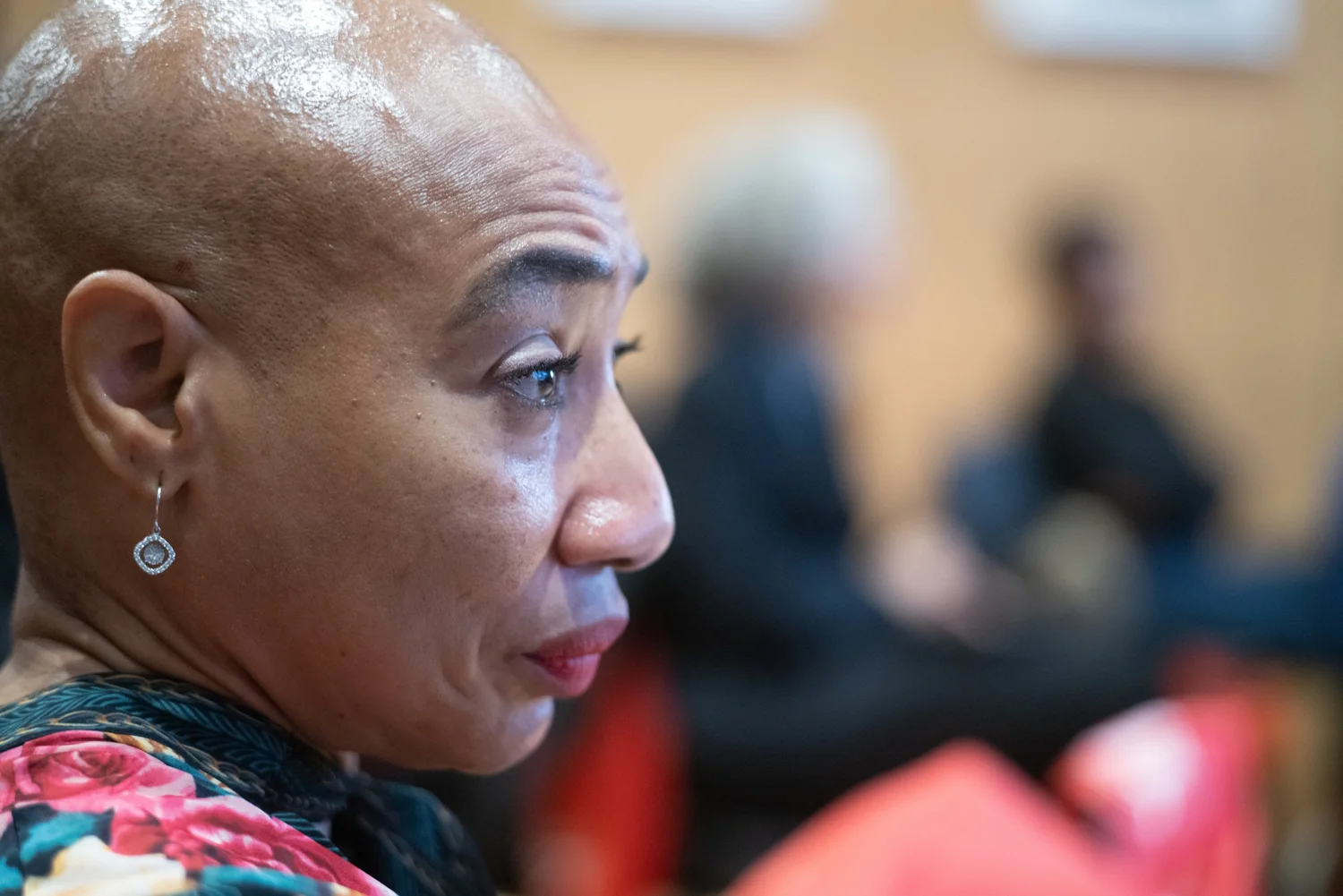
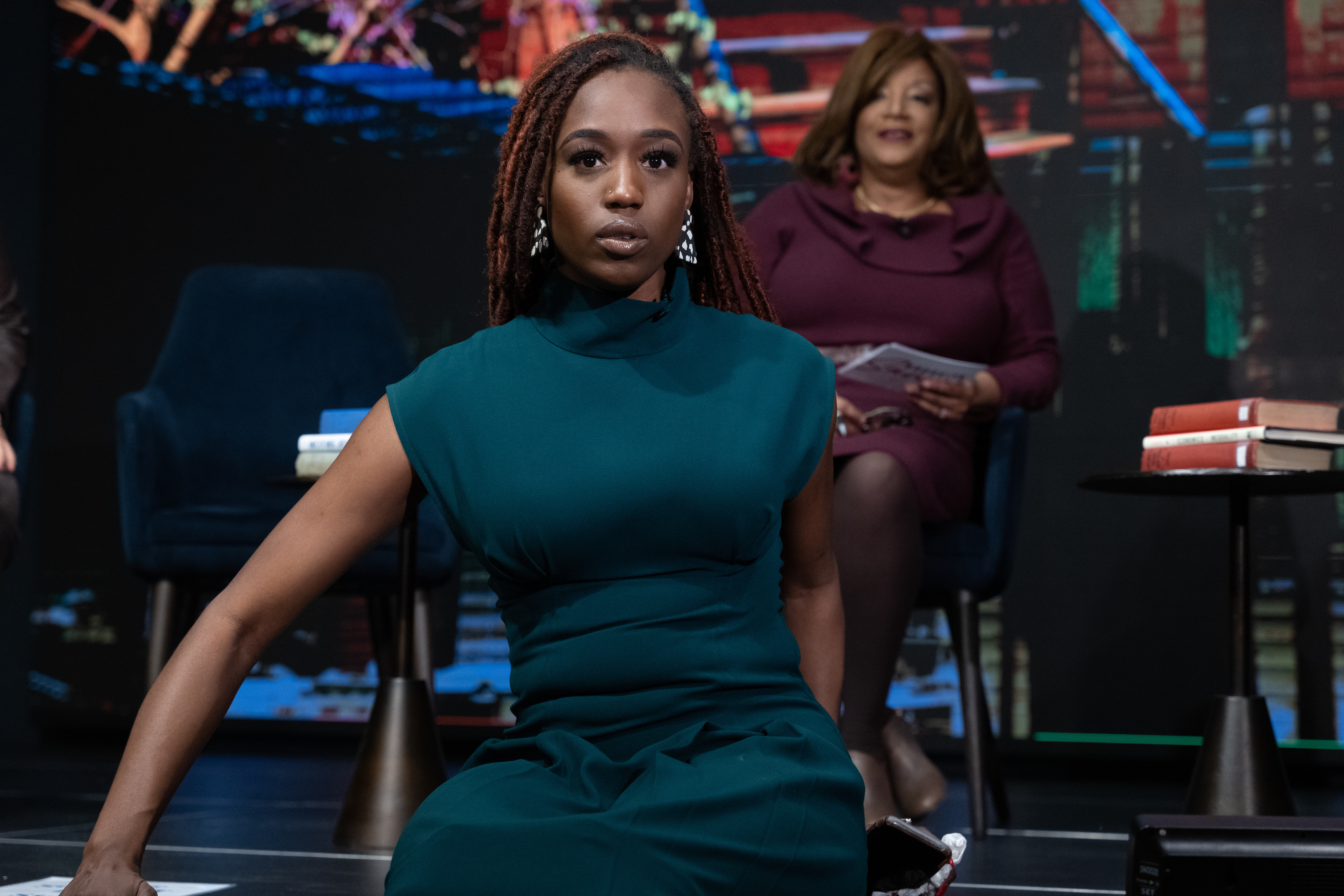
Respectability politics isn’t just about “playing nice” or fitting in—it’s a heavy filter that decides who gets fair treatment based on image, not justice. For women of color, especially Black women, this means navigating tone policing, code-switching, and workplace bias just to be heard. Let’s break down how fairness gets tangled up with stereotypes and media representation, and why choosing dignity over image changes the game. Stick around to catch insights from Brooklyn Savvy’s Toni Williams and the Savvy Panelistas on this crucial conversation. Check out more about respectability politics here.
Understanding Respectability Politics
To grasp why fairness often gets tangled in image, let’s explore the roots and basics of respectability politics. This sets the stage to understand its impact on various communities.
History and Origins
Respectability politics emerged during the late 19th and early 20th centuries. It was a strategy used by marginalized groups to gain respect and rights by adopting behaviors of the dominant culture. This tactic helped some move forward, but it also meant conforming to oppressive norms. It reflected the belief that changing one’s image could lead to better treatment. This concept, while historically rooted, still plays a significant role today.
Key Concepts Explained
The core idea is that individuals from marginalized groups must present themselves in ways deemed acceptable by mainstream society. This often means adapting speech and appearance to avoid negative stereotypes. For many, this involves code-switching and tone policing, which can be exhausting. People constantly monitor their behavior to avoid judgment or discrimination. This shows how respectability politics can be a double-edged sword.
Respectability in Action
Respectability politics can be seen in various settings, from workplaces to media. It affects how individuals are perceived and treated. For example, someone may dress a certain way to avoid negative stereotypes. This can sometimes lead to acceptance, but often at the cost of authenticity. Understanding these dynamics helps us see why image and fairness are so intertwined.
Impact on Women and Marginalized Groups

Women, especially women of color, face unique challenges when dealing with respectability politics. Let’s dive into how these dynamics affect different aspects of life.
Women of Color and the Media
In media representation, women of color often confront stereotypes that shape how they’re perceived. These stereotypes can limit the roles and narratives available to them, reinforcing narrow views. This affects not only how others see them but also how they see themselves. The pressure to conform to these images can be overwhelming and disheartening.
Intersectionality in the Workplace
At work, intersectional identities play a huge role in how individuals navigate their environment. Women of color frequently encounter unique biases that intersect with gender and race. This can mean facing microaggressions or being overlooked for promotions. They might feel pressured to tone down aspects of their identity to fit in, leading to a constant struggle for authenticity and acceptance.
Navigating Urban Communities
Urban communities often reflect a microcosm of these broader societal issues. Residents face challenges like bias and stereotyping, which can impact their daily lives. Navigating these spaces requires a keen understanding of respectability politics. It can determine access to opportunities and how individuals engage with their communities.
Strategies for Resistance and Change

While respectability politics can feel limiting, there are ways to push back and foster positive change. Here’s how to start making a difference.
Breaking Stereotypes Through Activism
Activism plays a crucial role in challenging stereotypes and changing narratives. By speaking up and advocating for justice, individuals can challenge the status quo. This involves using platforms to highlight issues and push for change. Activism can inspire others and drive meaningful conversations about fairness and representation.
Promoting Equity and Inclusion
Promoting equity involves creating spaces where all voices are heard and valued. It’s about recognizing the unique challenges faced by marginalized groups and working to address them. This requires commitment from individuals and organizations to ensure fairness and representation across the board.
Engaging in Community Dialogue
Open dialogue within communities is essential for fostering understanding and change. By discussing issues like respectability politics, residents can share experiences and build solidarity. This dialogue can lead to more inclusive policies and practices, ultimately benefiting everyone involved.
📺✨
Frequently Asked Questions
What is respectability politics?
Respectability politics refers to the practice where marginalized groups conform to dominant cultural norms to gain respect and rights. This often involves adapting speech and appearance to avoid negative stereotypes.
How does respectability politics affect women of color?
Women of color face unique challenges due to respectability politics. They often navigate stereotypes in media and workplace bias, leading to pressures to conform in ways that can be exhausting and limiting.
What are strategies to challenge respectability politics?
Strategies include breaking stereotypes through activism, promoting equity and inclusion, and engaging in open community dialogue. These efforts can help shift narratives and foster positive change.

Leave a Reply