Most spaces say they want your voice, but only a few actually mean it. You’ve sat through panels where women’s voices get drowned out or meetings where “inclusion” is just a buzzword. It’s time to spot the signs: which rooms welcome your truth, and which expect your silence? This guide breaks down how to read the room and claim your space with confidence in every urban community, workplace, or classroom. Learn more about how to navigate these spaces here.
Assessing Inclusive Spaces
Evaluating whether a space is genuinely inclusive involves knowing what to look for. You need to identify indicators that show a space truly values all voices, especially those often marginalized.
Recognizing Green Flags
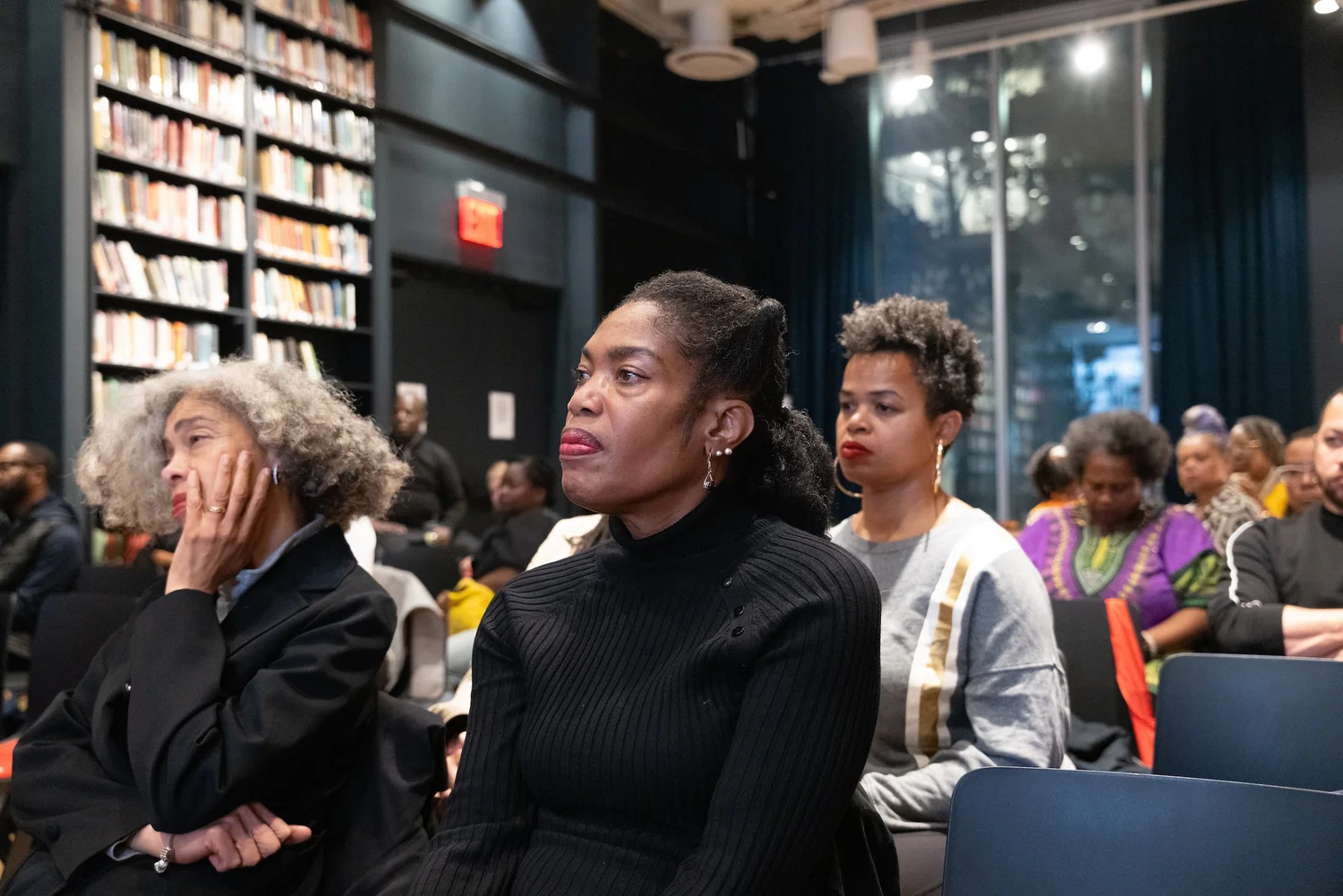
Inclusive spaces are characterized by visible diversity and active listening. You’ll notice people from different backgrounds leading discussions. Meetings where everyone gets a turn to speak are a good sign. If you notice these elements, you’re likely in a space that values inclusive voices.
In truly open spaces, respect is evident in interactions. People acknowledge others’ contributions and build on them. These spaces encourage honest dialogue without fear of backlash. Leaders in these environments foster a culture where your voice matters. They also focus on solutions by involving everyone in decision-making processes.
Spotting Red Flags
Spaces that only talk about inclusion but don’t practice it have distinct signs. If meetings are dominated by a few voices, or if certain groups are consistently sidelined, you’re likely in a space that doesn’t value true diversity. Pay attention to how much room is given to different perspectives.
Tokenism is another red flag. When you see diversity only in promotional materials but not in decision-making roles, take note. This often indicates a performative approach rather than genuine inclusion. Also, be wary if you notice microaggressions being ignored; it suggests a lack of accountability and an unwillingness to address issues.
Power Dynamics in Play
Understanding who holds power in a room helps you assess if it welcomes diverse voices. Often, power is concentrated in certain groups, shutting others out. Observe who speaks and who listens. If decision-making is one-sided, the space might not be as inclusive as it claims.
Power dynamics can silence voices. Leaders who prioritize their own views over others can create environments where people are afraid to speak up. It’s crucial to identify these dynamics and consider how they affect your ability to express your truth.
Tools for Social Justice Dialogue

Once you’ve assessed a space, equip yourself with tools to foster change. Engage effectively by asking the right questions and planning strategic actions.
Questions to Ask Organizers
Start by asking organizers about their plans for ensuring diversity. Inquire about their strategies to include underrepresented voices. These questions not only reveal their commitment but also encourage accountability.
You might ask, “How does this organization ensure all voices are heard?” or “What steps are in place to handle bias?” Direct questions can prompt organizers to consider their policies critically. These conversations often lead to the realization that improvements are necessary.
Scripts for Speaking Up
Having a script can empower you to voice concerns confidently. Begin by expressing your observations: “I’ve noticed that some perspectives are missing here.” Then, offer a solution: “Can we create a space where everyone feels heard?” This approach demonstrates your willingness to contribute positively.
It’s also helpful to express how inclusion benefits everyone. State why diverse voices lead to better outcomes: “A range of perspectives helps us tackle challenges more effectively.” This frames the conversation around mutual benefits, increasing receptivity.
Strategic Exits and Documentation
Sometimes, a space isn’t ready for change. Knowing when to exit is crucial. Document your experiences and attempts to foster inclusion. This not only protects you but also provides valuable feedback for the organization.
If you decide to leave, consider sharing your observations with leadership. Your feedback might inspire future change. Remember that your voice matters, and sometimes stepping away is the most powerful statement.
Building Brave Spaces

Creating spaces where all voices are heard involves proactive efforts. By fostering diversity and psychological safety, you contribute to a more inclusive environment.
Embracing Diverse Leadership
Diverse leadership is key to creating brave spaces. Leaders who represent various backgrounds bring different perspectives and experiences, enriching decision-making processes. Encourage organizations to prioritize diversity at the leadership level.
When leadership reflects the community it serves, it builds trust and ensures varied viewpoints are considered. This not only leads to more inclusive policies but also inspires others to bring their whole selves to the table.
Ensuring Psychological Safety
Psychological safety means everyone feels comfortable sharing ideas without fear of judgment or reprisal. Promoting such an environment encourages innovation and openness. It’s essential for fostering true belonging at work.
Leaders should model vulnerability by admitting mistakes and asking for feedback. This sets a tone of trust and openness. Create spaces where questions and constructive criticism are welcome, laying the groundwork for genuine dialogue and growth.
Fostering Community Engagement
Community engagement is the foundation of a supportive environment. Encourage active participation by creating platforms where everyone can contribute. This could be through regular feedback sessions or community meetings.
Involve community members in decision-making processes, ensuring their voices influence outcomes. Participation fosters a sense of ownership and accountability, transforming spaces into inclusive environments where everyone feels valued.
Frequently Asked Questions
What are green flags in inclusive spaces?
Green flags include visible diversity, active listening, and equal speaking opportunities. These signs indicate that a space values all voices and encourages honest dialogue.
How can I identify tokenism?
Tokenism often manifests as diversity in promotional materials but not in decision-making roles. It suggests a performative approach rather than genuine inclusion.
What questions should I ask about diversity initiatives?
Ask organizers about their strategies for ensuring diverse voices are heard and how they handle bias. Questions like these reveal their commitment to inclusion and encourage accountability.


Leave a Reply