-

The Habits That Keep Stigma Alive – and How We Break Them
The document explains how everyday language, social norms, and media biases sustain stigma. It advocates recognizing implicit biases, challenging norms, promoting inclusive language, and engaging communities to unlearn stigma through awareness and action.
-

Words We Let Slide: How Everyday Language Normalizes Injustice
Everyday language often normalizes injustice by reinforcing sexist, racist, and ableist biases. Recognizing and replacing harmful phrases fosters equity. Brooklyn Savvy promotes this dialogue through education and community.
-
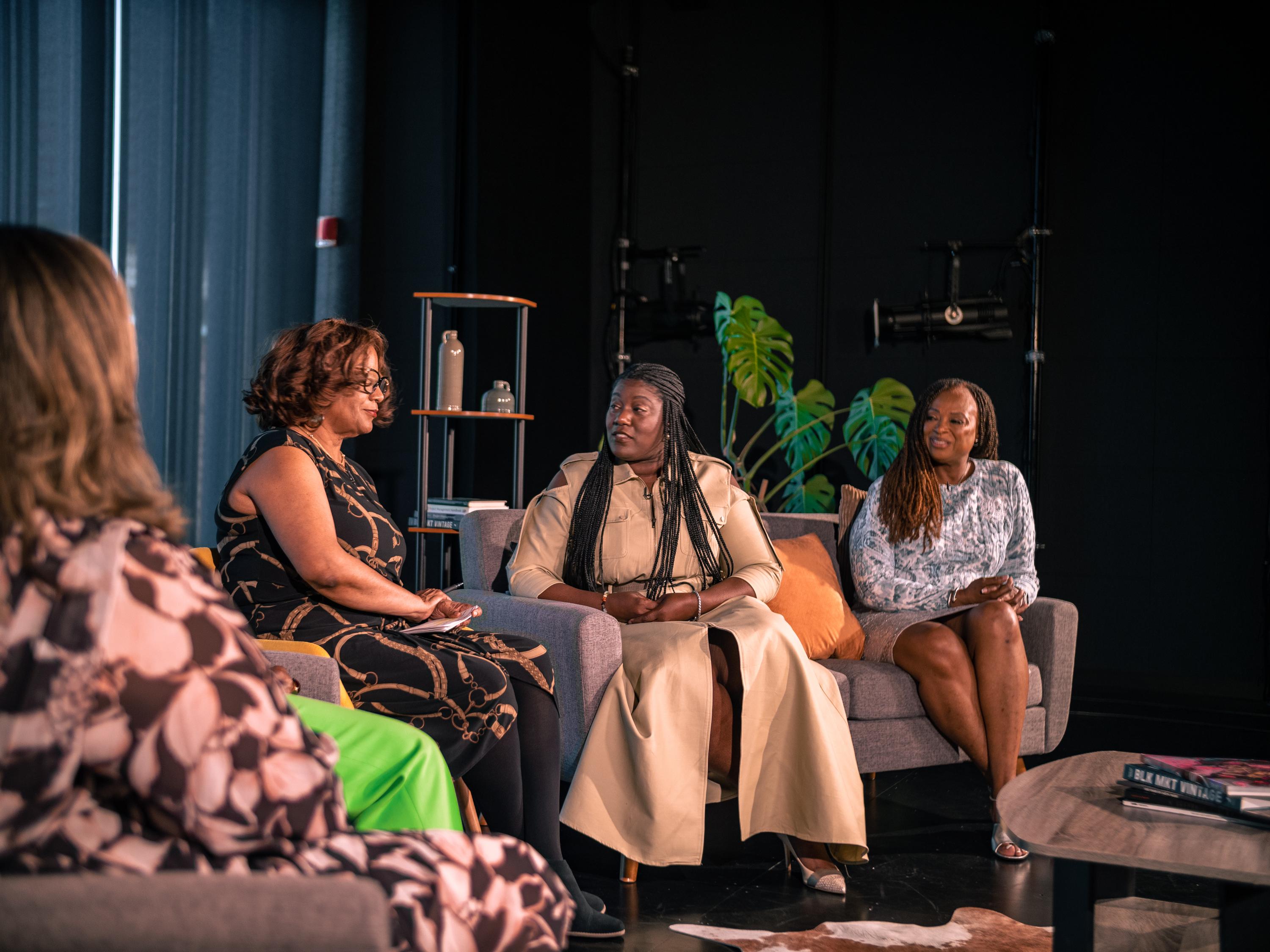
Now More Than Ever: Why Women-Centered Social Justice Media Matters
Women-centered media like Brooklyn Savvy amplifies marginalized voices, shifts narratives, fosters community engagement, and drives social justice through diverse, women-led storytelling and dialogue.
-

Stop Softening the Truth: The Hidden Cost of Making Injustice Easier to Hear
Tone policing burdens marginalized voices with exhausting emotional labor, stifling honest dialogue and progress. True allyship fosters empathy, psychological safety, and amplifies authentic voices for lasting social change.
-
Beyond Optics: Real Accountability When the Cameras Stop
Real accountability transcends optics, focusing on genuine harm repair and trust-building in homes, schools, businesses, and communities through a five-step framework emphasizing acknowledgment, action, and measurable change.
-

Talk That Heals or Hurts: How Public Dialogue Challenges—or Protects—Bias
Public dialogue shapes beliefs and can challenge or protect bias. Use active listening, ask questions, share stories, and create safe spaces to foster equity. Engage with Brooklyn Savvy for tools and events.
-

Beyond Optics: Performative Inclusion vs Real Structural Change
Brooklyn Savvy urges moving beyond performative inclusion to real structural change through transparent policies, equity audits, leadership accountability, community engagement, and actionable steps for lasting diversity and equity.
-

Words Matter: How Everyday Language Quietly Normalizes Injustice
Everyday language carries hidden biases that normalize injustice. By recognizing implicit bias, using inclusive language, and engaging in empathetic dialogue, we can foster allyship and promote social justice.
-
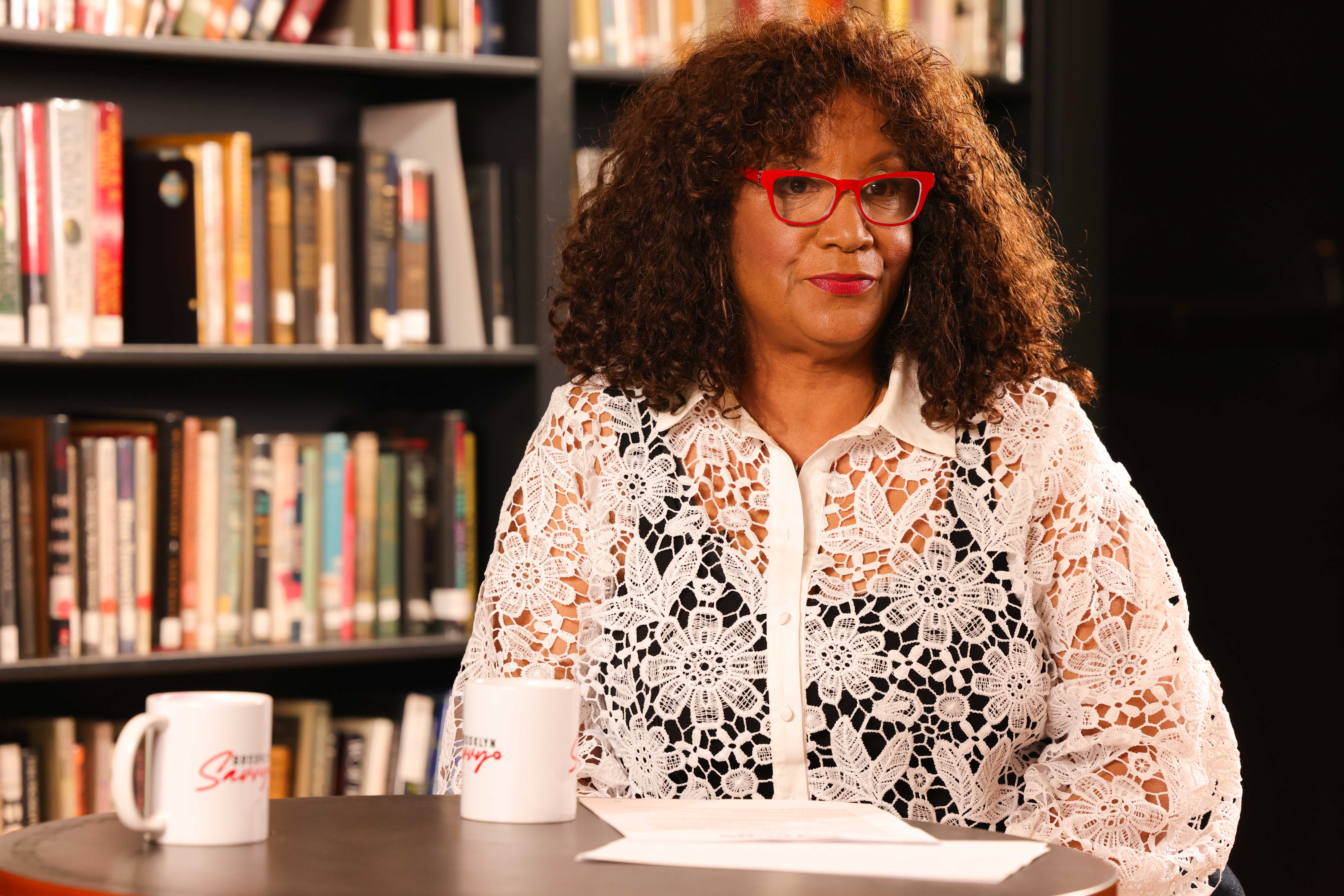
Respectability Politics Is Not Protection—It’s Silence
Respectability politics silences survivors, especially in urban communities, hindering healing and accountability. Breaking this code fosters justice, empowers Black women leaders, promotes upstander action, and builds trauma-informed, inclusive spaces for community healing and social change.
-
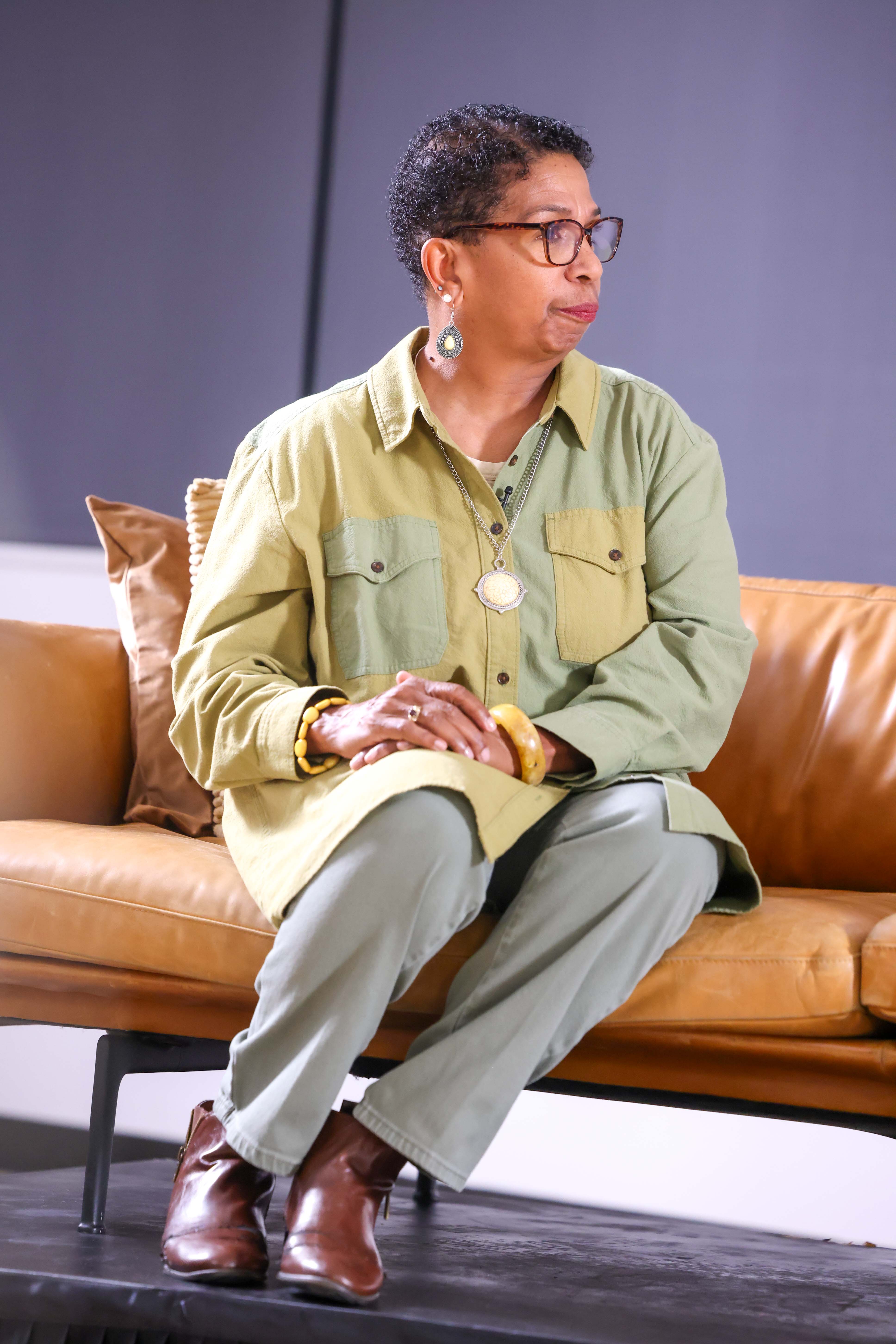
Challenge Power, Hold People: A Brooklyn Savvy Guide to Brave, Non-Erasing Dialogue
The guide offers tools for challenging power with respect, fostering inclusive dialogue, using non-erasing language, applying equity-centered facilitation, and promoting accountability through repair and restorative justice.