Public dialogue isn’t just talk—it shapes what we believe about each other every day. Your words can either challenge bias or quietly protect it, especially when unconscious bias creeps in. In this post, you’ll get real tools to spark braver, safer conversations that push for equity and inclusion. Ready to shift how you lead community dialogue? Let’s break it down. [https://www.facebook.com/BrooklynSavvyTV/posts/public-dialogue-can-challenge-bias-or-repeat-it-every-conversation-shapes-what-w/1595407552589900/]
Unpacking Public Dialogue
Words hold power, shaping how we perceive and interact with others. Let’s explore how conversations can challenge or protect biases in everyday life.
Challenge Bias in Conversations
Bias can creep into your conversations without you even realizing it. When you talk with others, it’s important to be aware of what you say and how you say it. One way to challenge this is by actively listening. When you really listen, you learn more about the people around you. It opens up a world of understanding.
Ask questions to clarify and check your assumptions. This helps you avoid jumping to conclusions. It’s easy to think you know what someone means, but asking questions can confirm it. For example, instead of assuming someone’s feelings, ask them directly: “How does that make you feel?”
You can also educate yourself on different cultures and perspectives. By learning about others, you challenge your own biases. This makes you a more informed person in conversations. Remember, challenging bias starts with simple steps.
Protect Bias: Unintended Pitfalls
Sometimes, without meaning to, you might protect bias. This happens when you don’t challenge what you hear or assume. For example, when you nod along with a stereotype, you reinforce it. It’s important to recognize these moments and rethink them.
Silence can also protect bias. If you don’t speak up against a biased comment, it might seem like you agree. Speaking up is important, even if it’s uncomfortable. You don’t need to be confrontational. A simple, “I see it differently,” can open the door for more discussion.
Another pitfall is sticking only to what’s comfortable. When you only talk to people like you, your views can become narrow. Try stepping out of your comfort zone. Engage with people from different backgrounds. This broadens your perspective and helps break down bias.
Real-World Dialogue Examples
Conversations happen everywhere: at work, at home, in public spaces. Let’s look at how dialogue can play out in these everyday settings. At work, open discussions about diversity can lead to a better understanding among colleagues. Encourage meetings where everyone’s voice is heard.
In family settings, teaching kids about inclusion early on makes a big difference. Discussing stories from diverse cultures can foster acceptance. Schools can also be key places for change. By having open forums, students learn the value of diverse opinions.
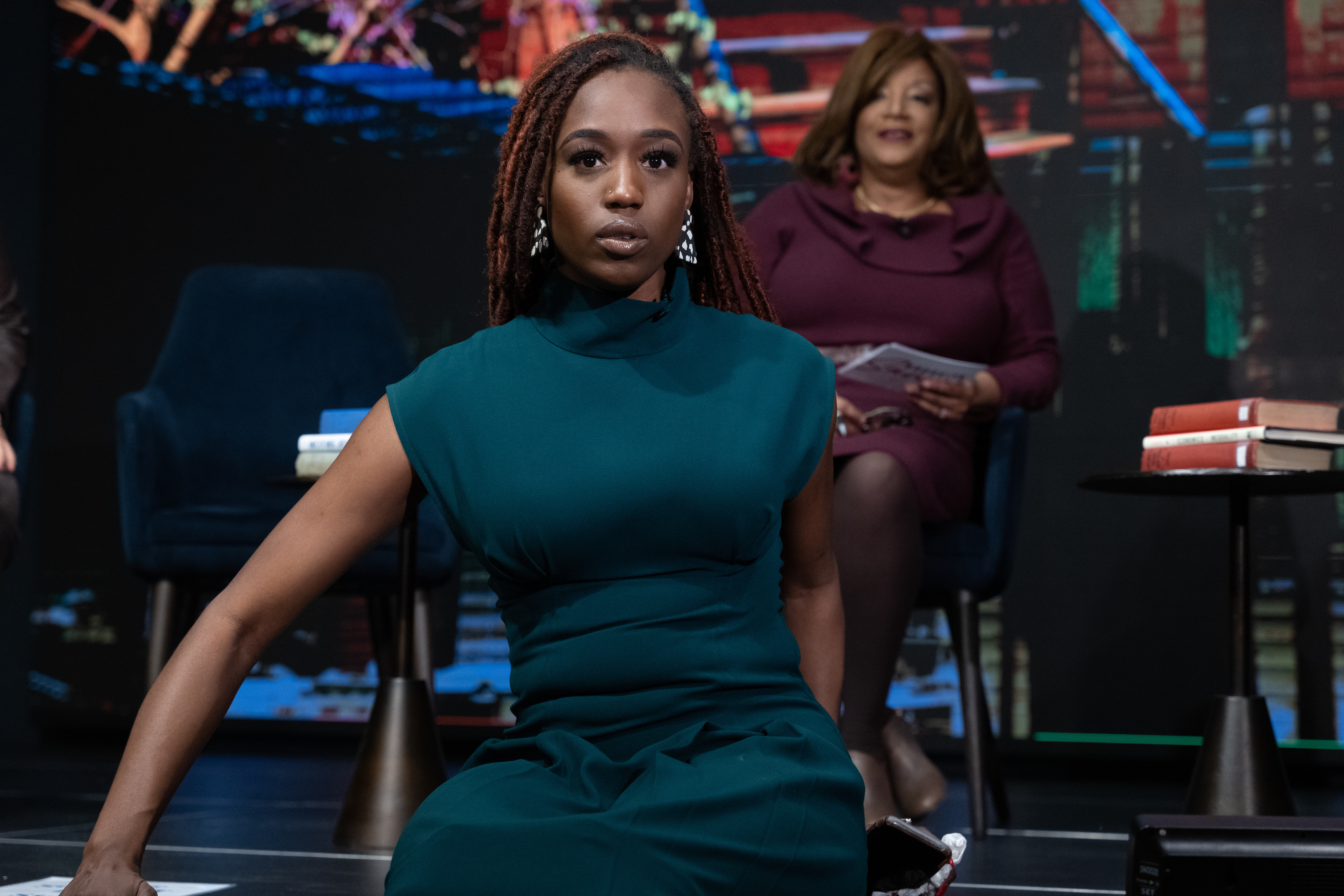
In public spaces, like community events, promoting conversations on social justice can enlighten many. Hosting a panel discussion with diverse speakers can bring new insights to an audience. Each of these examples shows how dialogue can challenge bias or, if not handled carefully, protect it.
Leading Braver Dialogues

Moving forward, we’ll dive into tools that help you lead conversations that matter. These insights will prepare you to engage safely and constructively.
Practical Tools for Change
Leading braver dialogues starts with the right tools. First, create a safe space for conversations. This means setting ground rules where everyone feels respected. Encourage people to share their thoughts without fear of judgment.
Another tool is storytelling. Share personal experiences to connect on a human level. This builds empathy and understanding. When people hear stories, they see the world through different eyes.
Use open-ended questions to promote deeper discussion. Questions like “What do you think about this?” or “Can you share more about your experience?” invite expansive answers. This type of question encourages sharing and learning.
Anti-Bias Education Techniques
Education is a powerful tool against bias. Begin by integrating anti-bias lessons into everyday discussions. This means talking about different cultures and identities regularly. It’s not a one-time conversation but an ongoing journey.
Workshops can be another method to educate and engage. These workshops can cover topics like implicit bias and media literacy. Participants learn to recognize their own biases and work to change them. In schools, curriculum can include books and materials from diverse authors. This exposure helps students appreciate different voices.
Lastly, encourage reflection. Ask people to think about their biases and how they affect their actions. Reflection leads to awareness, which is the first step to change.
Women’s Voices in Equity and Inclusion
Women have a crucial role in conversations about equity and inclusion. They bring unique perspectives and experiences that are essential for meaningful dialogue. It’s important to make sure women’s voices are heard and respected.
Encourage women to lead discussions and share their stories. This not only empowers them but also enriches the conversation. Women’s experiences with bias can offer valuable insights.
In organizations, promote women to leadership roles. Their presence at the table can drive change and foster an inclusive environment. Supporting women in discussions about equity can lead to real progress in breaking down biases.
Engaging with Brooklyn Savvy

Now, let’s connect these ideas to Brooklyn Savvy, a platform that champions these conversations. Here’s how you can get involved.
Watch & Learn: Latest Episode
Brooklyn Savvy’s latest episode dives into how everyday dialogue shapes our communities. Watching these episodes can spark new ideas and offer fresh perspectives. They feature dynamic discussions with diverse leaders who share their insights.
The episodes are not just about listening. They encourage you to reflect on your own conversations and challenge biases. Check out the latest content to see how these discussions unfold.
RSVP for Our Town Hall
Join our upcoming town hall for a live experience. This is a chance to engage directly with panelists and ask questions. Town halls are interactive, bringing together different voices to discuss important topics.
Participating in these events helps you learn and grow. It’s an opportunity to be part of a community that values dialogue and change. Mark your calendar and be part of the conversation.
Access the Discussion Guide
For those ready to lead their own conversations, we offer a free Discussion Guide. This guide provides tips and strategies for facilitating meaningful discussions. It’s a resource to help you challenge bias and encourage open dialogue.
Whether you’re hosting a community event or a small group discussion, this guide is a valuable tool. It empowers you to lead conversations that can create real change. Access it today and start making a difference in your community.
🌟📢👥
By engaging in these activities, you’re taking steps towards a more inclusive and understanding world. Don’t wait for change—be the change.

Leave a Reply