Tone policing isn’t just annoying—it’s a heavy toll on marginalized voices. When you’re told to “be nicer” while calling out injustice, you’re forced to carry emotional labor no one else should bear. This hidden cost drains energy and silences real talk. Learn how to spot tone policing, cut through respectability politics, and show allyship in action without asking folks to soften their truth. Check out this insightful read on the hidden cost of DEI work.
The Cost of Tone Policing
When you’re asked to tone down your message, it’s more than just a request. It’s an expectation for marginalized voices to bear an unfair burden. This burden is called emotional labor.
Emotional Labor and Marginalized Voices
Emotional labor is the energy you spend managing your feelings and expressions. For marginalized people, it often means softening messages about injustice. Imagine having to explain painful experiences gently to avoid upsetting others.
This labor is draining. You end up silencing your own voice to make others comfortable. The cost is high: emotional exhaustion and lost opportunities for change. It’s critical to recognize this so you can support those who speak up, even when their message feels uncomfortable.
Most people think it’s okay to ask for a softer tone, but it stifles real conversations. Research shows that when voices are muted, progress stalls. Empowering people to speak freely allows for genuine understanding and transformative change.
Respectability Politics in Urban Communities
In many urban settings, respectability politics is used to dictate how you should look or act to be heard. It’s like a rulebook that says your truth only matters if it’s presented nicely.
This approach often penalizes marginalized communities. You’re expected to conform to standards that don’t reflect your reality. It controls your narrative and limits your power. The pressure to “fit in” can lead to code-switching—altering your behavior to meet expectations.
Urban communities thrive when they embrace diversity, not when they suppress it. By challenging respectability politics, you make space for authentic voices. This shift encourages resilience and growth, fostering environments where everyone can contribute their unique perspectives.
Allyship in Action

If you’re committed to being an ally, you must take active steps to support marginalized voices. It’s not enough to just listen; you need to engage and create space for real conversations.
Practical Steps for DEI Conversations
To make DEI conversations effective, start with empathy. Listen actively, and validate the experiences of those around you. Don’t rush to offer solutions; sometimes presence is the strongest support you can give.
-
Ask Open Questions: Encourage detailed responses. This shows you’re genuinely interested in understanding.
-
Reflect and Validate: Acknowledge their experiences without minimizing their feelings.
-
Amplify Voices: Share stories and platforms to highlight marginalized voices. Show that their perspectives are valuable.
Avoid common pitfalls like centering your own feelings over theirs. DEI work requires humility and continuous learning. The longer you wait to engage, the more you risk perpetuating systems of exclusion.
Creating Psychological Safety in Community Dialogue
Psychological safety is crucial for open dialogue. It’s the feeling that you can express yourself without fear of backlash. This is essential for meaningful conversations in community settings.
Start by setting norms that promote respect and inclusivity. Encourage everyone to share their thoughts and listen actively. Recognize and address microaggressions immediately to maintain a safe environment.
When communities feel safe, innovation thrives. People are more willing to share ideas and collaborate. This kind of environment enhances problem-solving and drives positive change. Creating safety isn’t just a moral imperative; it’s a strategic advantage.
Empowered Voices and Beyond

To further support these conversations, engage with platforms that spotlight marginalized voices. Brooklyn Savvy is an example of media that amplifies women-led perspectives on social justice.
Support Women-led Media with Brooklyn Savvy
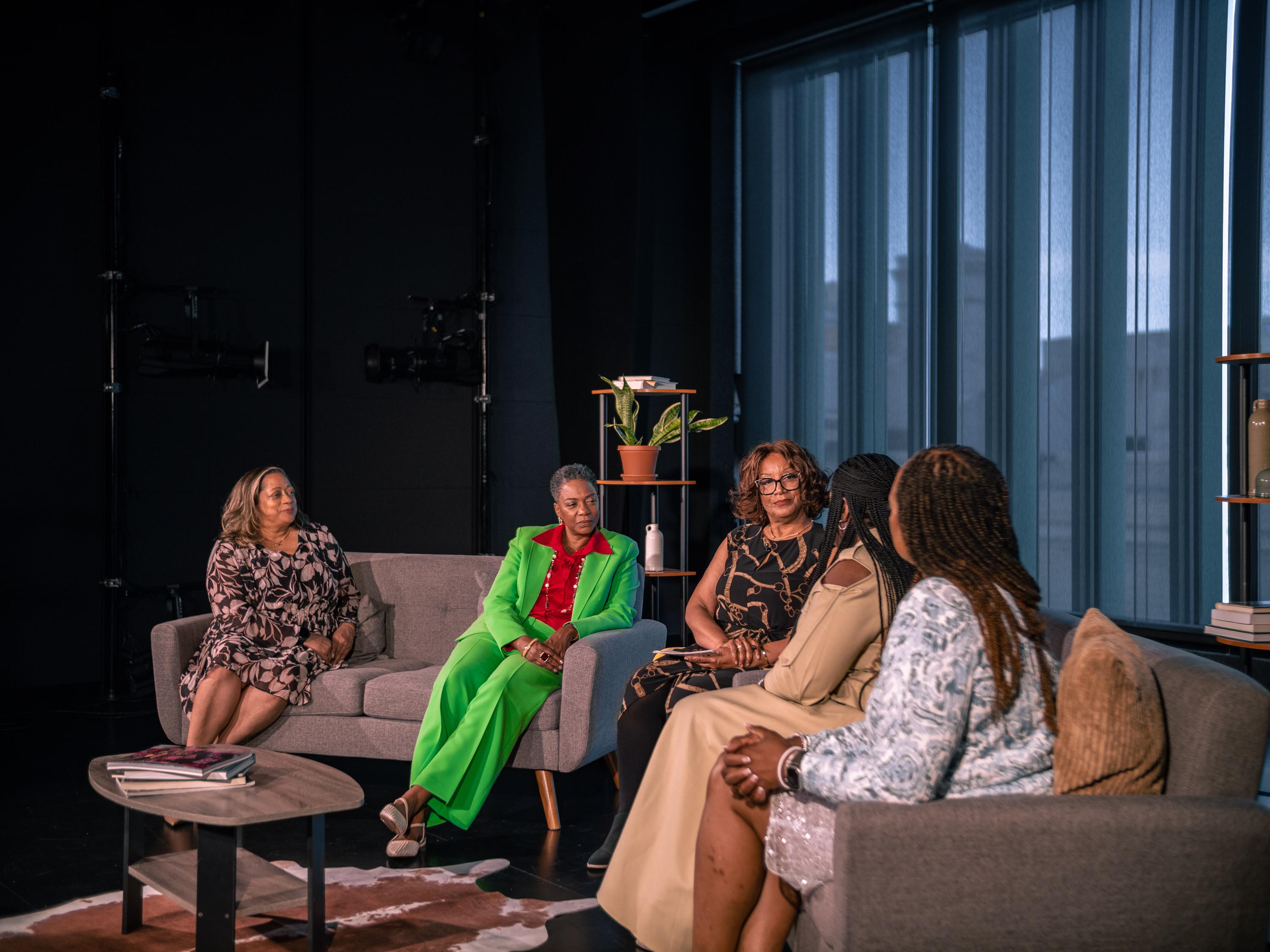
Brooklyn Savvy is a social justice digital talk show that explores complex issues through women’s perspectives. With dynamic discussions, it provides insights into societal habits and stigmas.
Supporting this platform not only elevates marginalized voices but also enriches your understanding of diverse topics. By tuning in, you become part of a community dedicated to social change. Explore more about elevating women-led media in today’s landscape.
Engage with Anti-racism Practice through Merch and Media 🎥👕
Merchandise and media are powerful tools for promoting anti-racism practices. By purchasing items that reflect social justice themes, you support the cause and spread awareness.
Consider how your choices can influence others. Wearing merch with bold messages sparks conversations and challenges norms. Watching media that dives into these themes broadens your perspective.
Engaging with these resources is more than support; it’s a commitment to change. Each purchase and view is a step towards a more inclusive world. Remember, every action counts in this ongoing journey for equality.
Leave a Reply