-

From Slogans to Systems: Why Community Care Needs Structure
Effective community care requires structured systems with clear roles, accountability, diverse leadership, and focused care pods to transform slogans into lasting, actionable change in urban communities.
-

Hidden in Plain Speak: Spotting Bias in Everyday Language — and What To Do About It
This guide reveals hidden biases in everyday language, highlighting microaggressions and stereotypes in gendered, racial, and ableist speech, and offers practical tips for inclusive communication and active allyship.
-

Respectability Politics, Unpacked: Why Fairness Gets Filtered Through Image
Respectability politics pressures marginalized groups, especially women of color, to conform to dominant norms, impacting fairness through image. Activism and equity promote change.
-

From Safe to Brave: How to Build Dialogue That Challenges Power
This guide outlines building brave spaces by recognizing power dynamics, using tools like open-ended questions and active listening, amplifying women’s voices, fostering accountability, and employing facilitation skills to drive social justice dialogue.
-
Change the Question: How Women-Centered Social Justice Media Rewrites Community Conversations
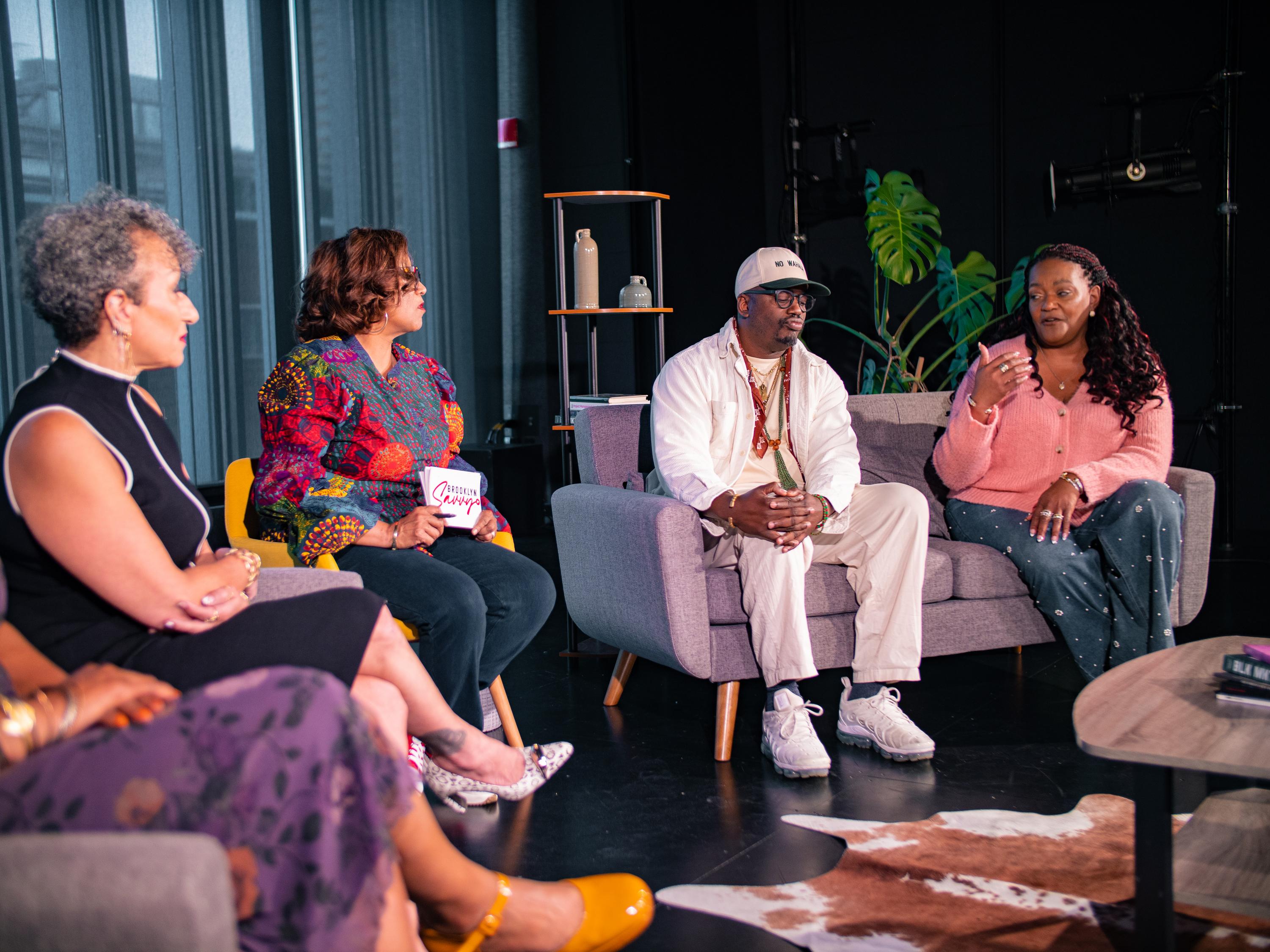
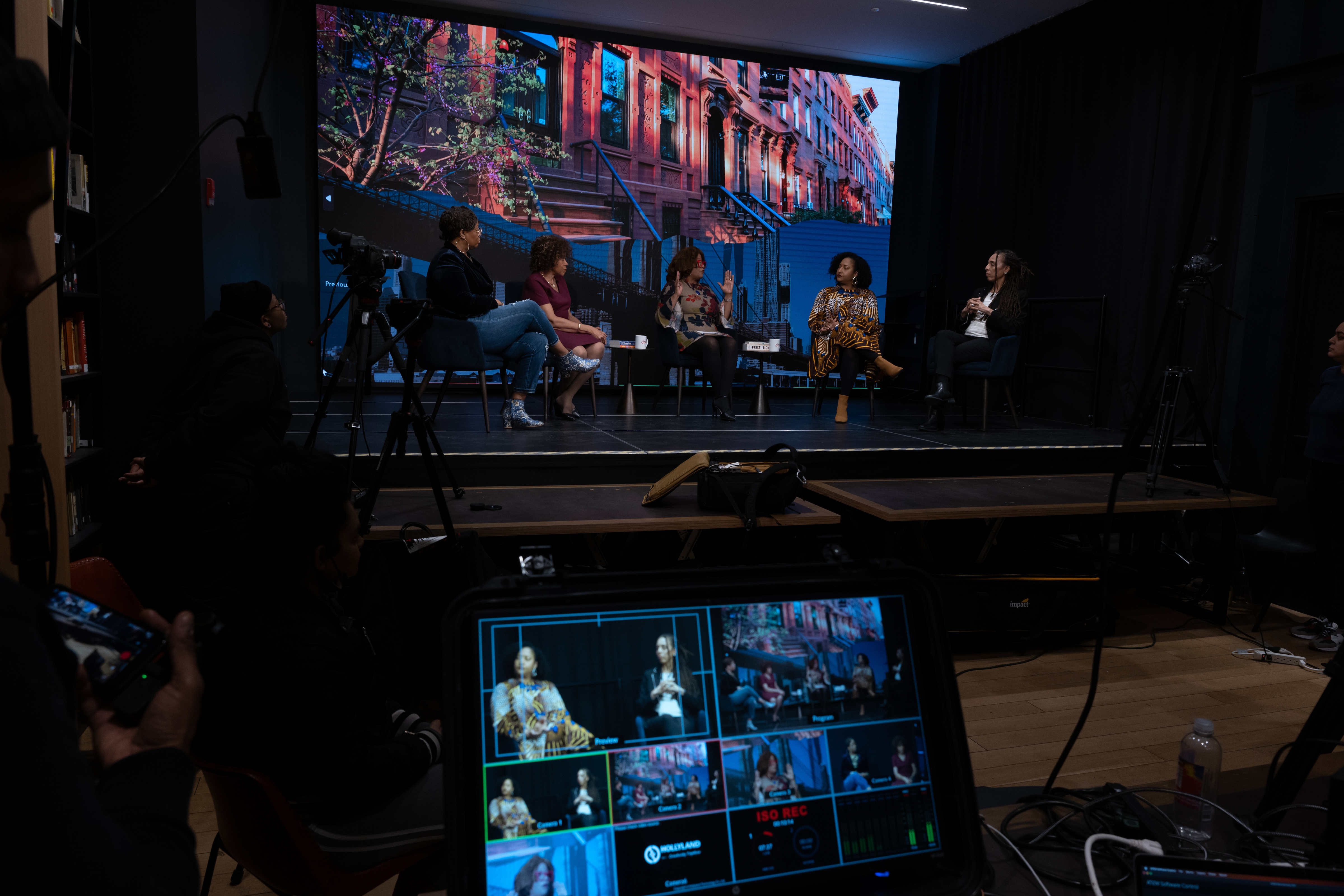
Brooklyn Savvy centers women’s voices to transform social justice talk shows, shifting community dialogue from blame to solutions, empowering urban communities, promoting intersectionality, and fostering civic engagement.
-

When Doing the Work Hurts: The Hidden Cost of Emotional Labor in Equity-Centered Spaces
Emotional labor in equity spaces heavily burdens women of color, causing DEI fatigue. Solutions include boundary-setting, rest, allyship, inclusive leadership, and organizational accountability for true inclusion.
-

The Polished Trap: How Respectability Politics Makes Injustice Look Acceptable
The article critiques respectability politics for reinforcing systemic racism and patriarchy by enforcing biased norms on appearance and behavior. It highlights tone policing, code switching, and marginalization, urging dignity without seeking unjust approval and empowering women’s voices for true equality.
-

Say It Plain: How Everyday Language Normalizes Bias and Exclusion
Everyday language often perpetuates biases and stereotypes through microaggressions and exclusion. Using inclusive terms, respecting pronouns, and mindful communication foster equity and social justice.
-

Stigma’s Survival Kit: The Habits We Barely Question
Stigma persists through unnoticed habits, language, and microaggressions, reinforcing bias in urban communities. Awareness, inclusive language, allyship, and amplifying women’s voices help unlearn stigma and promote equity.