Stigma hides in the little things we don’t even notice—those everyday habits that slip under the radar but pack a punch. From casual phrases to silent assumptions, these patterns keep bias alive in urban communities, shaping how we see race, gender, and mental health. This post breaks down how stigma thrives right under your nose and offers sharp tools to start unlearning it now. Stick around for fresh insights from Brooklyn Savvy and Toni Williams that’ll challenge what you thought you knew.
Everyday Habits Fueling Stigma
The unnoticed habits we carry can spread stigma like wildfire. By examining our language and actions, we can begin to dismantle these biases.
Routine Phrases and Implicit Bias
Everyday words carry more weight than we think. Phrases like “man up” or “that’s crazy” seem harmless but reinforce gender and mental health stereotypes. These words shape perceptions, often without us realizing it. Understanding the power of language is the first step in breaking the cycle of implicit bias.
Changing your language starts with awareness. Notice what you say and how it affects others. Ask yourself: does this phrase support stereotypes? If so, try alternatives that are more inclusive and respectful. This small shift can have a big impact, changing how others perceive both you and the world.
Microaggressions in Urban Communities
Microaggressions are subtle, often unintended, but they sting. In urban communities, they can come from assumptions about race or class. These comments might seem small but can build up, impacting mental health and self-esteem.
Combatting microaggressions requires vigilance. It’s about listening to those affected and acknowledging their experiences. When you hear a microaggression, challenge it. Speak up and use it as a teaching moment. Your voice can highlight the issue and encourage reflection and change.
Unpacking Language and Power

Language holds power. By understanding who controls the narrative, we can shift towards more equitable conversations.
Women’s Voices in Social Justice
Women have always been at the forefront of social justice. Their voices bring unique perspectives to issues like racial equity and mental health stigma. Yet, these voices are often overshadowed or ignored.
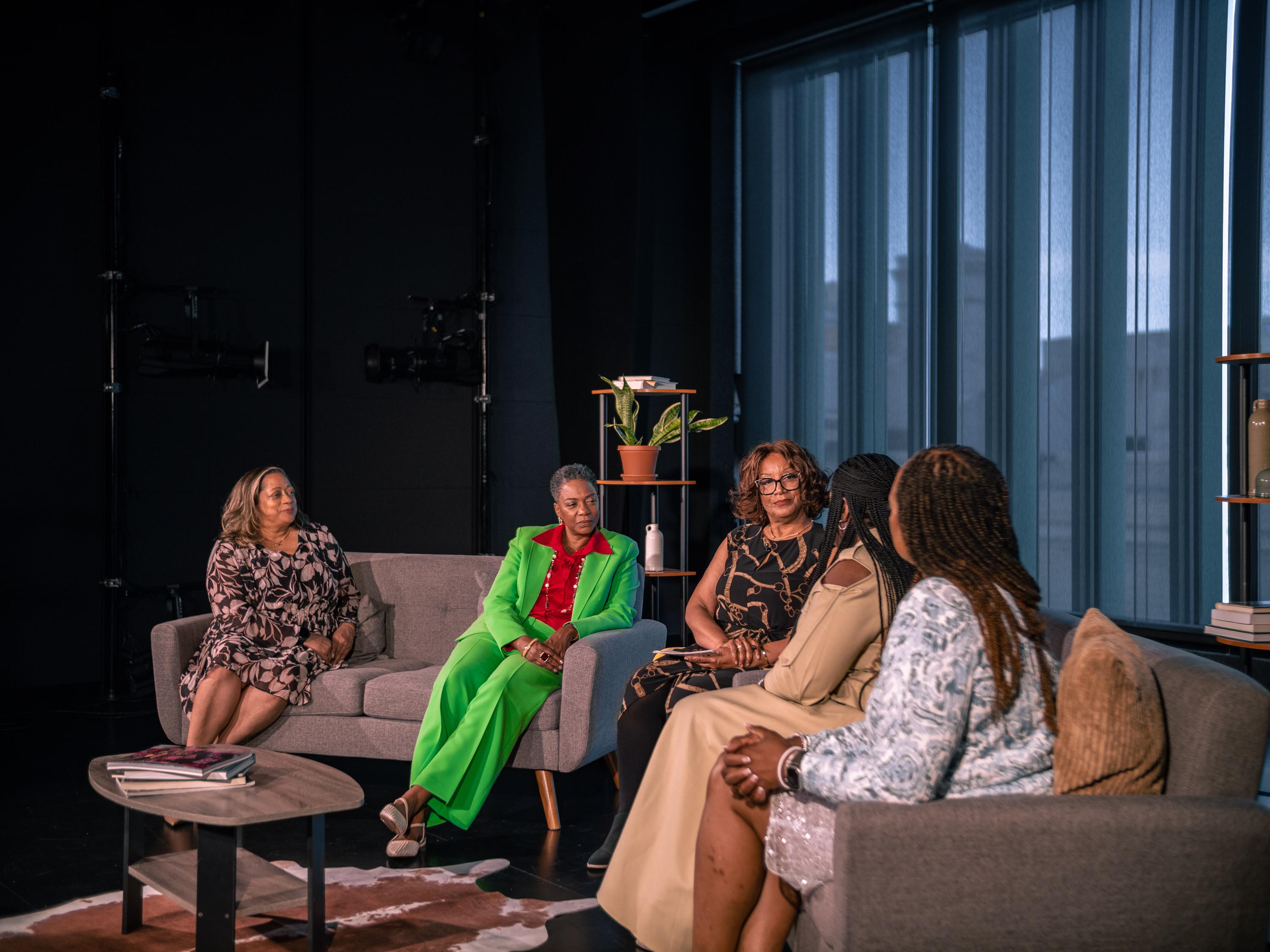
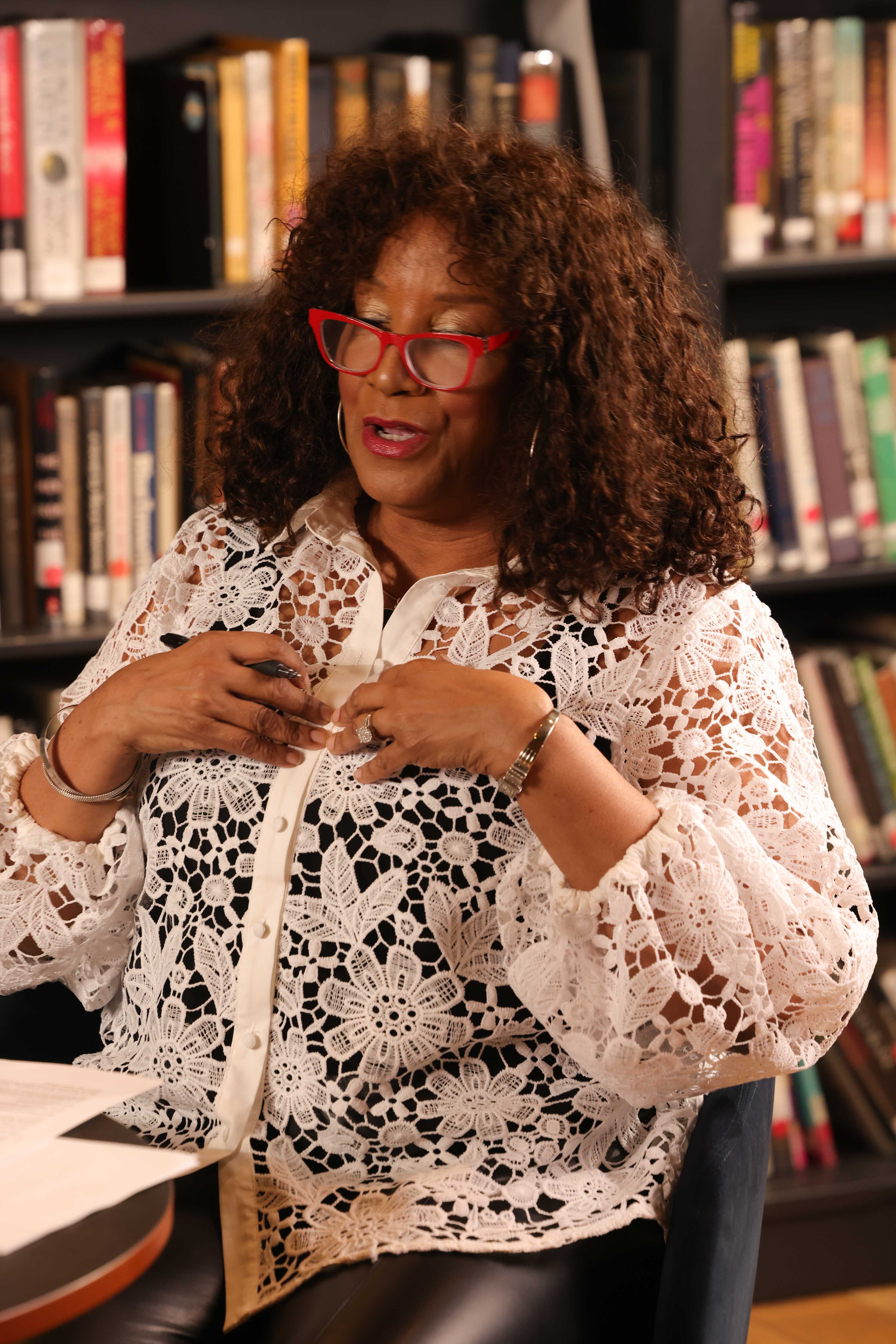
Supporting women’s voices means amplifying their stories. Listen to women like Toni Williams, who lead discussions on Brooklyn Savvy. Engage with content that centers women’s experiences. Your support helps break barriers and brings needed change.
Media Representation and Gender Bias
Media plays a crucial role in shaping perceptions. Unfortunately, it often perpetuates gender bias, limiting the portrayal of women to stereotypical roles. This misrepresentation affects how society views women and their capabilities.
To challenge this, seek out diverse media that showcases strong, complex female characters. Share these stories to promote a broader understanding. By demanding better representation, you encourage media to reflect the diversity of real life.
Tools for Unlearning Stigma

Now that we’ve identified the problems, let’s explore tools that can help unlearn these biases and promote a more inclusive society.
Self-Audit and Allyship Steps
Start with a self-audit. Reflect on your biases and how they shape your actions. Identify areas where you can improve, and set goals for change. This honest self-reflection is key to personal growth and effective allyship.
Next, take action. Educate yourself and others about issues affecting marginalized communities. Support initiatives that fight stigma and promote equality. As an ally, your role is to listen, learn, and amplify the voices of those less heard.
Educational Resources and Community Dialogue
Educational resources are crucial in unlearning stigma. Khan Academy and EBSCO offer valuable insights into perception and bias. Use these tools to deepen your understanding and challenge stereotypes.
Engage in community dialogue. Join discussions on platforms like Brooklyn Savvy to hear diverse perspectives. These conversations can spark change, fostering a more inclusive environment for all.
Frequently Asked Questions
What are microaggressions and how do they affect people?
Microaggressions are small, often unintentional, comments or actions that convey prejudice. They can impact mental health by making individuals feel marginalized or misunderstood.
How can I change my use of everyday language to be more inclusive?
Start by becoming aware of the phrases you use. Replace gendered or stigmatizing language with terms that are neutral and respectful. This conscious effort can lead to more inclusive communication.
Why is media representation important in combating gender bias?
Media shapes societal norms and perceptions. When media portrays diverse, complex female characters, it challenges stereotypes and promotes a more nuanced view of gender roles.
How can I support women’s voices in social justice?
Amplify the stories and work of women in social justice. Participate in discussions, share their work, and listen to their experiences to understand their unique perspectives.
Where can I find resources to learn about bias and stigma?
Resources like Khan Academy and EBSCO provide information on bias and stigma. Engaging in community dialogues can also enhance your understanding.

Leave a Reply