Power in the room isn’t always about who talks the loudest. Too often, women’s voices get cut off, ignored, or stolen in group settings—and the hidden rules behind this shape everything. If you’ve ever felt sidelined in meetings or frustrated by interruptions at work, you’re not alone. Brooklyn Savvy breaks down these power dynamics and offers real strategies for claiming space and shifting the conversation toward true meeting equity. Check it out here.
Unspoken Power Dynamics
In every meeting, an invisible script guides whose voices matter most. This section reveals the unwritten rules that determine who dominates the dialogue.
Who Holds the Floor?
Isn’t it frustrating when the same voices always seem to dominate the conversation? Often, the loudest person isn’t necessarily the most insightful. Meetings can become echo chambers if we don’t consciously invite diverse voices. Research shows that women speak 75% less than men in professional settings. This isn’t just about who talks most, but who gets heard. If you’re struggling to make your voice count, you’re not alone. It’s time to change the script.
Patterns of Interruption
Ever notice how some people get interrupted more than others? It’s a pattern that plays out in countless rooms. Studies suggest that women are interrupted 2.3 times more often than men. This isn’t just rude; it undermines contributions and stifles ideas. Observing these patterns is the first step toward change. The next is rethinking how we interact. By identifying these interruptions, we can start advocating for change.
The Role of Leadership Bias
Leadership bias affects who gets to speak and who gets sidelined. Leaders often unknowingly favor voices that mirror their own. This bias isn’t always deliberate, but it shapes team dynamics significantly. In many cases, leaders (whether intentionally or not) reinforce existing hierarchies. Recognizing this bias is crucial in fostering a more inclusive environment where everyone’s voice matters.
Shifting the Room Toward Equity

Tackling these dynamics isn’t easy, but it’s essential for true meeting equity. This section offers strategies to make group spaces more inclusive and effective.
Amplification Strategies
Want your ideas to resonate more? Amplification is a powerful tool. It involves allies repeating and crediting ideas from marginalized voices. This technique gained traction when aides in the Obama administration used it to elevate women’s voices. The key is consistency: having colleagues echo and praise contributions ensures they aren’t overlooked. If you’re in a position to support others, try using amplification in your next meeting.
Creating Psychological Safety
Do you feel safe speaking up in meetings? Psychological safety is the belief that one can speak honestly without fear. It’s a crucial element for productive teams. To foster this, leaders should encourage open dialogue and validate all contributions. A safe space allows for innovation and genuine collaboration. When people feel secure, they are more likely to share their ideas and insights.
Equitable Facilitation Tactics
Facilitators play a pivotal role in steering meeting dynamics. By setting ground rules that promote fairness, facilitators can ensure everyone gets a chance to speak. This might involve rotating speaking turns or explicitly inviting quieter members to share. Equitable facilitation isn’t just about fairness; it’s about harnessing the full spectrum of ideas and perspectives.
Join the Movement

Ready to make a difference? Brooklyn Savvy offers resources and community connections to help you drive change in your meetings.
Brooklyn Savvy’s Latest Episode
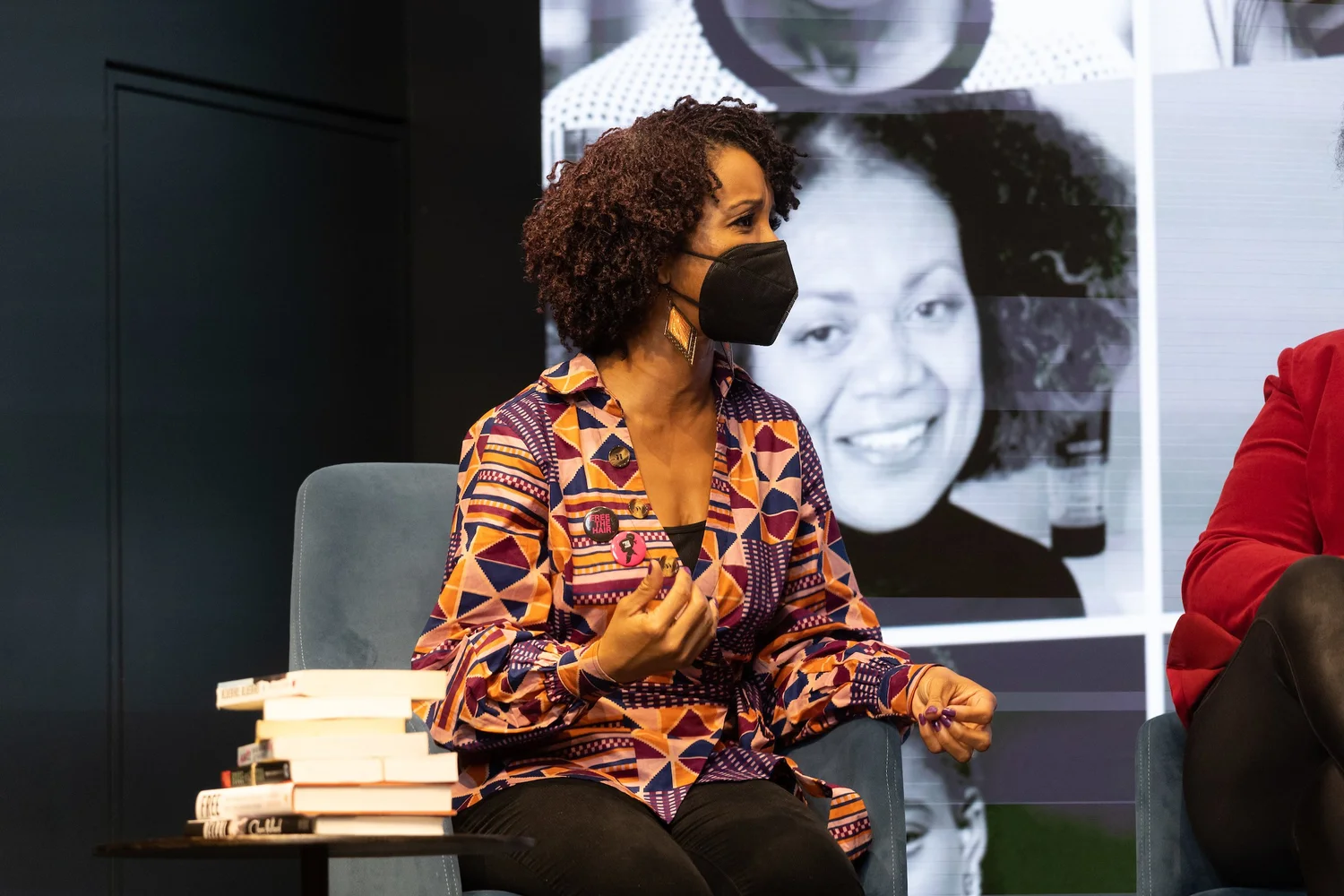
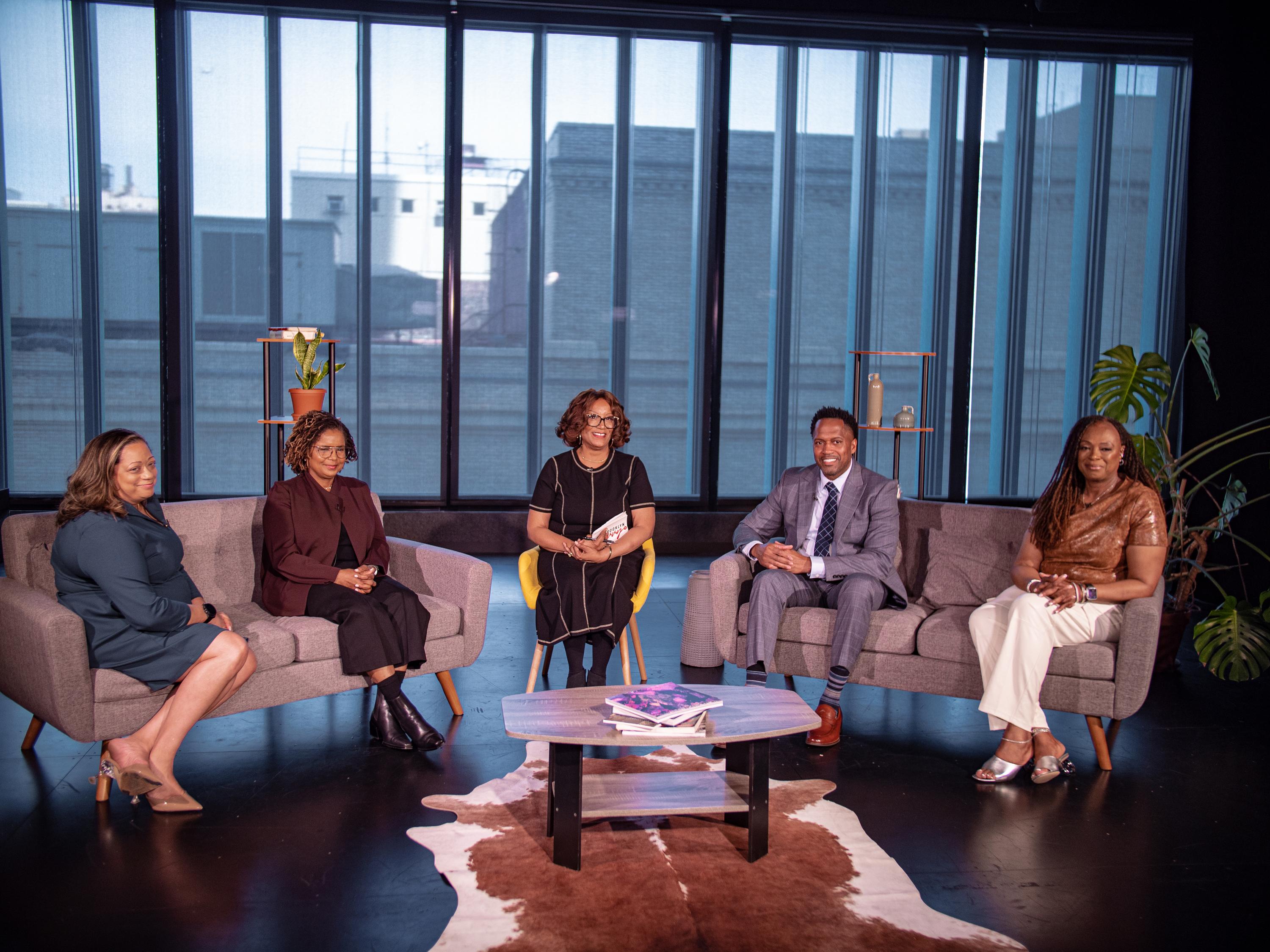
Don’t miss our latest episode, where our panel dives deep into the nuances of meeting equity. We explore practical steps to shift power dynamics and elevate marginalized voices. With insights from experts like Toni Williams, this episode is a must-watch. Tune in to Brooklyn Savvy today.
Equitable Meetings Checklist
Looking for a handy tool to guide your efforts? Our Equitable Meetings Checklist covers key strategies to create more inclusive group settings. From setting agendas to follow-up, it ensures every voice counts. Download it to start making your meetings more meaningful.
Community Conversations and Merch 🎉
Join us in our online community for ongoing dialogue and support. Engage with like-minded individuals committed to change. Plus, check out our new merchandise, designed to express your commitment to equity and justice. Be part of the movement and make a statement with our apparel and accessories.
Frequently Asked Questions
What is amplification in meetings?
Amplification involves repeating and crediting ideas from marginalized voices to ensure they aren’t ignored. It helps elevate contributions that might otherwise be overlooked.
Why is psychological safety important in the workplace?
Psychological safety allows individuals to speak up without fear, fostering innovation and collaboration. When people feel safe, they are more likely to share insights and ideas.
How can facilitators promote equity in meetings?
Facilitators can promote equity by rotating speaking turns and explicitly inviting quieter members to contribute. Setting ground rules for fairness ensures everyone has a voice.
What topics are covered in Brooklyn Savvy’s latest episode?
Our latest episode dives into meeting equity, exploring how to shift power dynamics and elevate marginalized voices. It features insights from experts like Toni Williams.
Where can I download the Equitable Meetings Checklist?
The Equitable Meetings Checklist is available for download on the Brooklyn Savvy website. It provides strategies for creating inclusive group settings.


Leave a Reply