Shared power isn’t just a buzzword—it’s the backbone of real change in advocacy spaces. If you’re tired of top-down leadership that sidelines women and urban communities, it’s time to rethink who holds the mic. In this post, you’ll get a clear picture of what shared power looks like in action, from co-governance to language justice, all through the lens of women-led social justice. Stick around, and see how Brooklyn Savvy’s latest episode breaks down these power sharing models that actually shift the game.
Understanding Shared Power in Advocacy
Let’s dive right into understanding how shared power transforms advocacy. This shift involves more than just distributing tasks; it reshapes who gets to speak and make decisions.
Defining Shared Power and Its Importance
Shared power means everyone gets a say. It’s not just about having meetings but ensuring that all voices are heard, especially those often ignored. In advocacy spaces, this is crucial. Without shared power, decisions can miss the mark for the communities they aim to help. By implementing shared power, groups can achieve real change by including diverse perspectives. According to Freedom Lifted, true shared power involves trusting and valuing each member’s input.
When power is shared, advocacy efforts are more effective and meaningful. The practice moves away from traditional hierarchies, focusing instead on collaboration. This approach benefits everyone involved by building trust and creating solutions that reflect the community’s needs. In essence, shared power strengthens advocacy efforts by making them more inclusive and representative of the people they serve.
Practical Models of Power Sharing
Let’s explore some real-world examples of power sharing. One model is co-governance, where decisions are made collectively, ensuring all voices matter. This method allows everyone from community members to leaders to participate in decision-making processes. Another approach is participatory budgeting, which lets community members decide on budget allocations. This gives people a direct say in how funds are used, making financial decisions more democratic and transparent.
Language justice ensures everyone can communicate effectively by providing translation services and multilingual materials. This model removes language barriers and ensures inclusivity. Rotating facilitation is another effective technique. Different individuals lead meetings, which encourages diverse leadership experiences and perspectives. For more insights, check out this discussion on prosper strategies about shared power in nonprofits.
Centering Women’s Voices in Social Justice
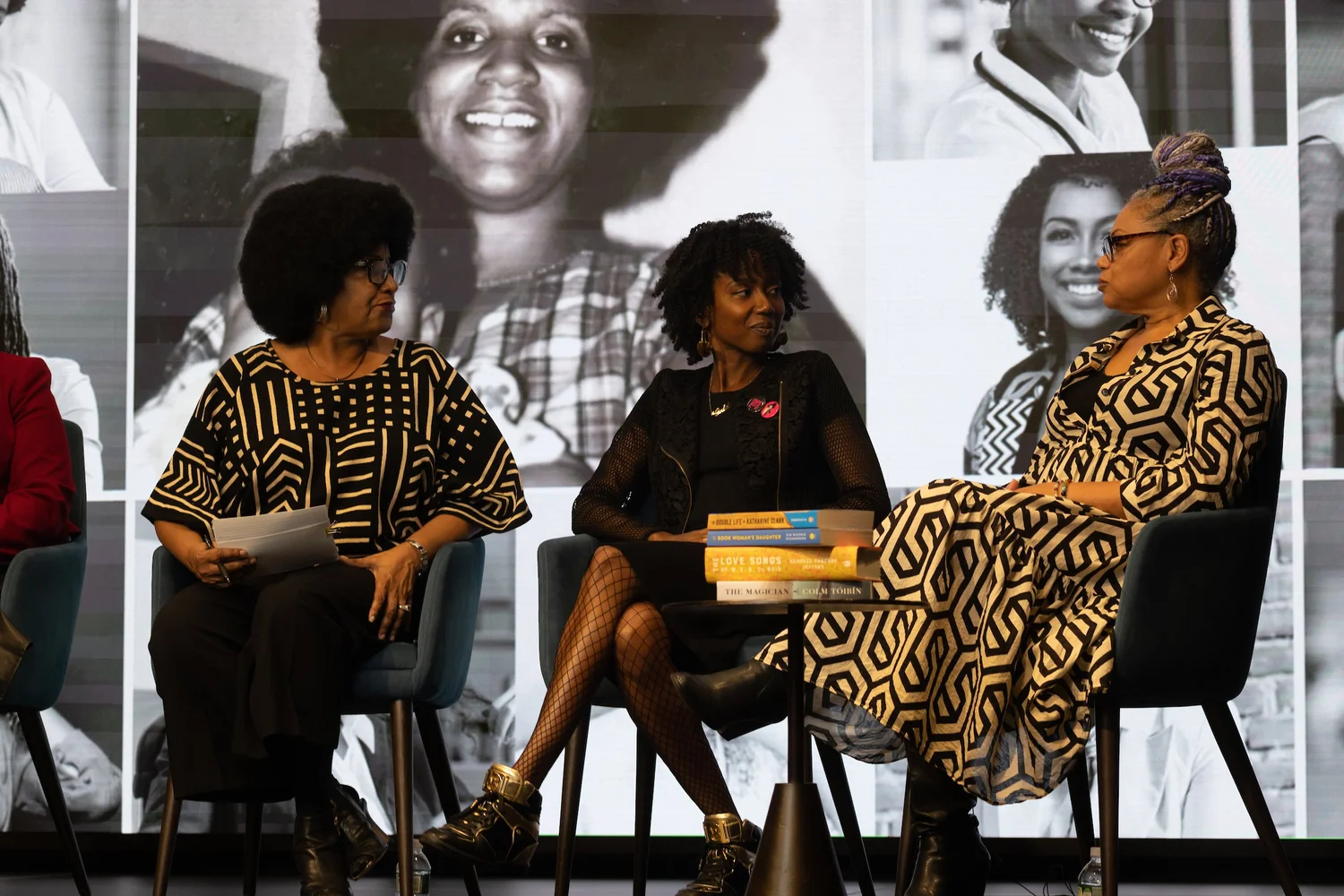
Shared power isn’t just a theoretical concept; it’s a driving force in social justice movements, particularly those led by women. Let’s see how these models work in real life.
Women-Led Social Justice Models
Women have pioneered many advocacy models that focus on shared power. These models often include collective leadership, where everyone shares responsibility and decision-making. This approach can be seen in movements like mutual aid, where communities work together to meet their needs without relying on top-down charity models. By centering women’s voices, these movements prioritize equity and inclusion. The Collective Impact Forum offers a deeper look into building collective power, showcasing how women-led initiatives drive substantial change.
Another model is peer governance, which emphasizes equal participation and shared decision-making. This model ensures that leadership is not concentrated in the hands of a few but distributed among all members. By focusing on women-led models, these approaches challenge traditional power structures and promote equality and fairness.
Intersectionality and Community Organizing
Understanding intersectionality is key to effective community organizing. It recognizes that people’s experiences are shaped by multiple factors, including race, gender, and class. This perspective is crucial for creating inclusive and effective advocacy efforts. Community organizing that incorporates intersectionality ensures that all voices are heard and valued. It addresses the unique challenges faced by different groups within a community.
Accessibility in activism is also vital. This means creating spaces where everyone can participate, regardless of ability. By prioritizing accessibility, organizers can ensure that their efforts are inclusive and effective. The Social Impact Commons provides insights into how peer governance can enhance community efforts by incorporating diverse perspectives and experiences.
Engaging in Brooklyn Savvy Conversations

Ready to see shared power in action? Brooklyn Savvy offers a platform where diverse voices come together to discuss crucial social issues.
Watch and Discuss: Diverse Panel Insights
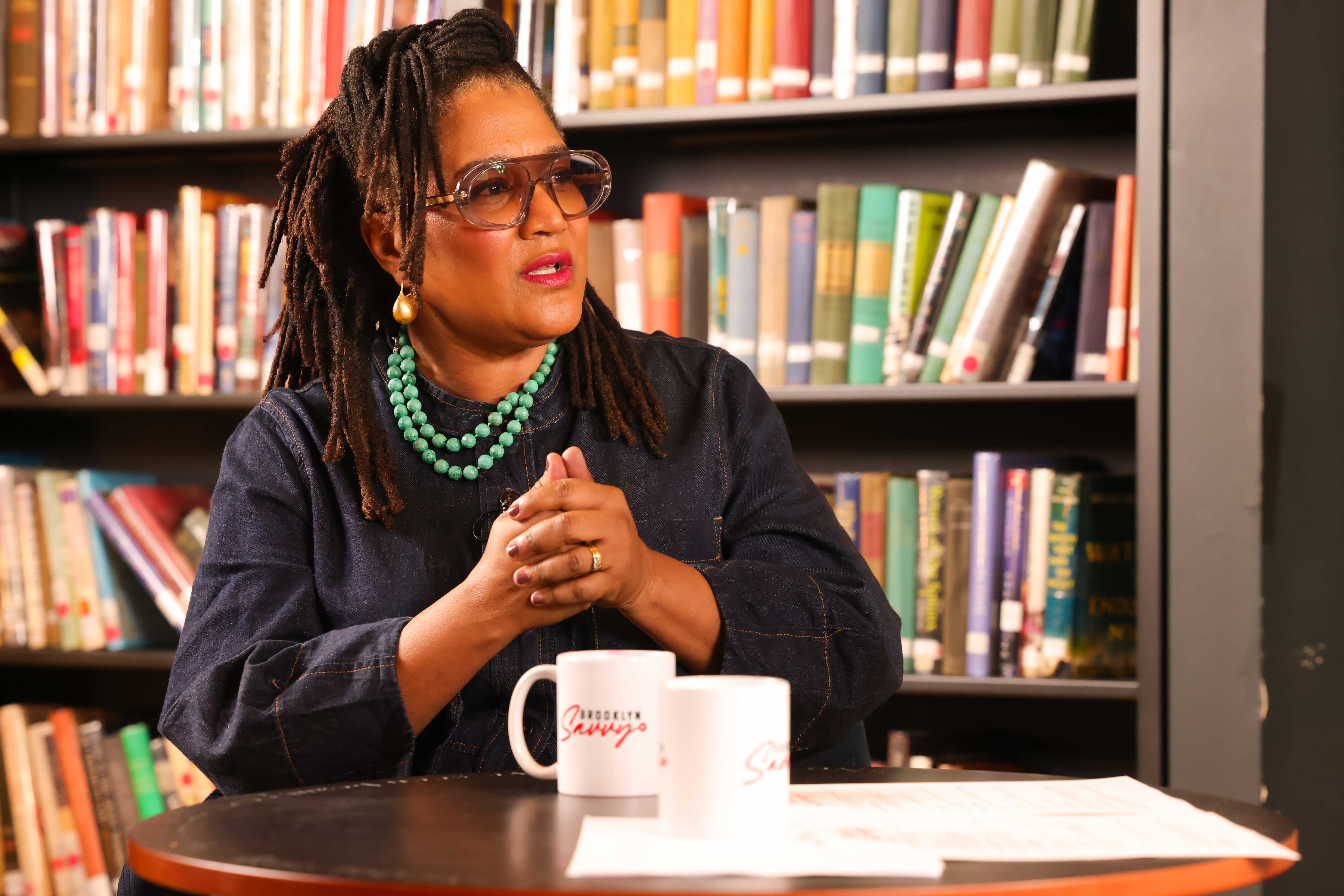
Brooklyn Savvy’s latest episode shines a spotlight on power sharing. The diverse panel includes voices from various backgrounds, each bringing unique insights into how shared power works in practice. Toni Williams, the host, guides these conversations, ensuring they remain engaging and informative. This episode explores how shared power models can transform advocacy efforts. By watching, you’ll gain a better understanding of how these models operate and the benefits they offer. Don’t miss the chance to join the discussion and share your thoughts on these vital topics.
Supporting the Mission: Programs and Merch
Brooklyn Savvy isn’t just about conversations; it’s about action. By supporting our programs and purchasing merchandise, you contribute to a mission that empowers communities and amplifies women’s voices. Each purchase helps fund our initiatives, allowing us to continue delivering impactful content and creating positive change in urban communities. Together, we can make a difference by promoting shared power and advocating for equity and inclusion. Visit our website to explore ways you can support our mission and join us in building a more just and equitable world.
🌟
Frequently Asked Questions
What is shared power in advocacy?
Shared power in advocacy means distributing decision-making authority among all members of a group, ensuring that everyone has a voice in the process.
How do women-led models impact social justice?
Women-led models prioritize equity and inclusion, often using collective leadership and mutual aid to challenge traditional power structures and promote fairness.
What is intersectionality, and why is it important?
Intersectionality recognizes that people’s experiences are shaped by multiple factors, such as race and gender. It’s crucial for creating inclusive advocacy efforts that address diverse needs.
How can I get involved with Brooklyn Savvy?
You can watch our episodes, participate in discussions, and support our programs and merchandise to help empower communities and amplify women’s voices.
What are practical examples of power sharing?
Examples include co-governance, participatory budgeting, language justice, and rotating facilitation, all of which promote inclusive decision-making and community involvement.



Leave a Reply