Stop mixing up equity, equality, and inclusion—they’re not the same thing, and confusing them keeps real change out of reach. You’ve heard the terms, maybe even used them, but what do they really mean for women and urban communities? Let’s break down the difference between equity equality and inclusion with straight talk, real examples, and a quick checklist to see where you stand. Stick around—this is the clarity you’ve been waiting for. For more on this topic, you can check out this resource.
Breaking Down Equity, Equality, Inclusion
Let’s get to the heart of these terms. Each plays a unique role in shaping fair and inclusive environments, especially for women and urban communities. Understanding their differences helps in making real social change.
Equity vs Equality: Key Differences
Equity and equality are often confused, but they aren’t the same. Equality means giving everyone the same resources or opportunities. Equity, on the other hand, adjusts the allocation of resources to meet the specific needs of different individuals or groups. Imagine a classroom where every student receives a pair of shoes. That’s equality. But equity ensures each student receives a pair that fits. For more information, check out this detailed explanation.
The goal of equity is to level the playing field by addressing barriers that cause inequality. In practice, it might mean providing extra support to students from marginalized communities to ensure they have the same chance to succeed as their peers. This distinction is crucial when advocating for change in urban areas.
What Is Inclusion?
Inclusion is about creating environments where all individuals feel valued and respected. It’s not just about being invited to the party but being asked to dance. It’s an active process of bringing people into the conversation and ensuring they have a voice.
When we talk about inclusion, it means ensuring diverse voices are heard and considered in decision-making processes. It’s a commitment to listening, understanding, and integrating different perspectives. The more inclusive an environment, the better it can address and leverage the unique needs and contributions of its members. Dive deeper into this concept here.
Real-World Equity Examples
Equity in action can be seen all around us. In education, equity might look like providing additional resources to schools in low-income areas. In the workplace, it could mean implementing mentorship programs for underrepresented employees. For a broader view, explore these examples.
Consider a nonprofit that offers technology training to unemployed women in urban areas. By targeting their programs to those who need them most, they’re practicing equity. This approach helps bridge gaps that equality alone might not address.
Busting Myths and Misunderstandings

Misunderstandings around these concepts can stall progress. Let’s clear up some common misconceptions and highlight why they’re important.
Common Misconceptions
A big misconception is that equity and equality are the same. As we’ve seen, they serve different purposes. Another myth is that inclusion is just about diversity. Inclusion goes beyond numbers; it’s about the quality of interaction and engagement.
People often think that equality is enough. But without considering equity, we risk ignoring systemic issues that prevent true parity. Recognizing this is crucial in advocating for social justice in urban environments.
Women’s Perspective on Social Justice
Women bring unique insights to social justice issues. They often spearhead movements for equity and inclusion, highlighting gaps that others might overlook. Their perspectives are vital in shaping policies and programs that address real needs.
Women’s leadership ensures that solutions are comprehensive and effective. They push for systemic change by advocating for policies that support equitable resource distribution and inclusive practices. Women’s voices are powerful allies in the quest for justice.
Urban Community Equity Insights
Urban communities face distinct challenges. Equity efforts in these areas often focus on addressing economic disparities, access to education, and public health issues. Programs that target these areas can make a significant difference.
Community-driven initiatives are key. By involving local voices in decision-making, we ensure that solutions are tailored to the specific needs of the community. This participatory approach fosters a sense of ownership and empowerment.
Moving from Talk to Action

It’s time to turn understanding into action. Let’s explore practical ways to implement these concepts in everyday life.
Quick Self-Audit Checklist
Want to know where you stand? Here’s a quick checklist to assess your commitment to equity, equality, and inclusion:
-
Evaluate: Are your initiatives addressing systemic barriers?
-
Engage: Do you actively seek diverse perspectives?
-
Empower: Are you providing resources based on need?
By regularly reviewing these questions, you can ensure that your efforts are aligned with true equity and inclusion goals.
Inclusive Leadership and Allyship at Work
Inclusive leadership is about more than just policy; it’s a mindset. Leaders must actively champion diversity, recognize biases, and commit to continuous learning. Allyship means supporting marginalized groups both vocally and through action.
In the workplace, this can mean creating mentorship programs, offering diversity training, and ensuring all voices are heard in meetings. True inclusion requires effort, but the payoff is a more dynamic and innovative environment.
Brooklyn Savvy: Engage with Us
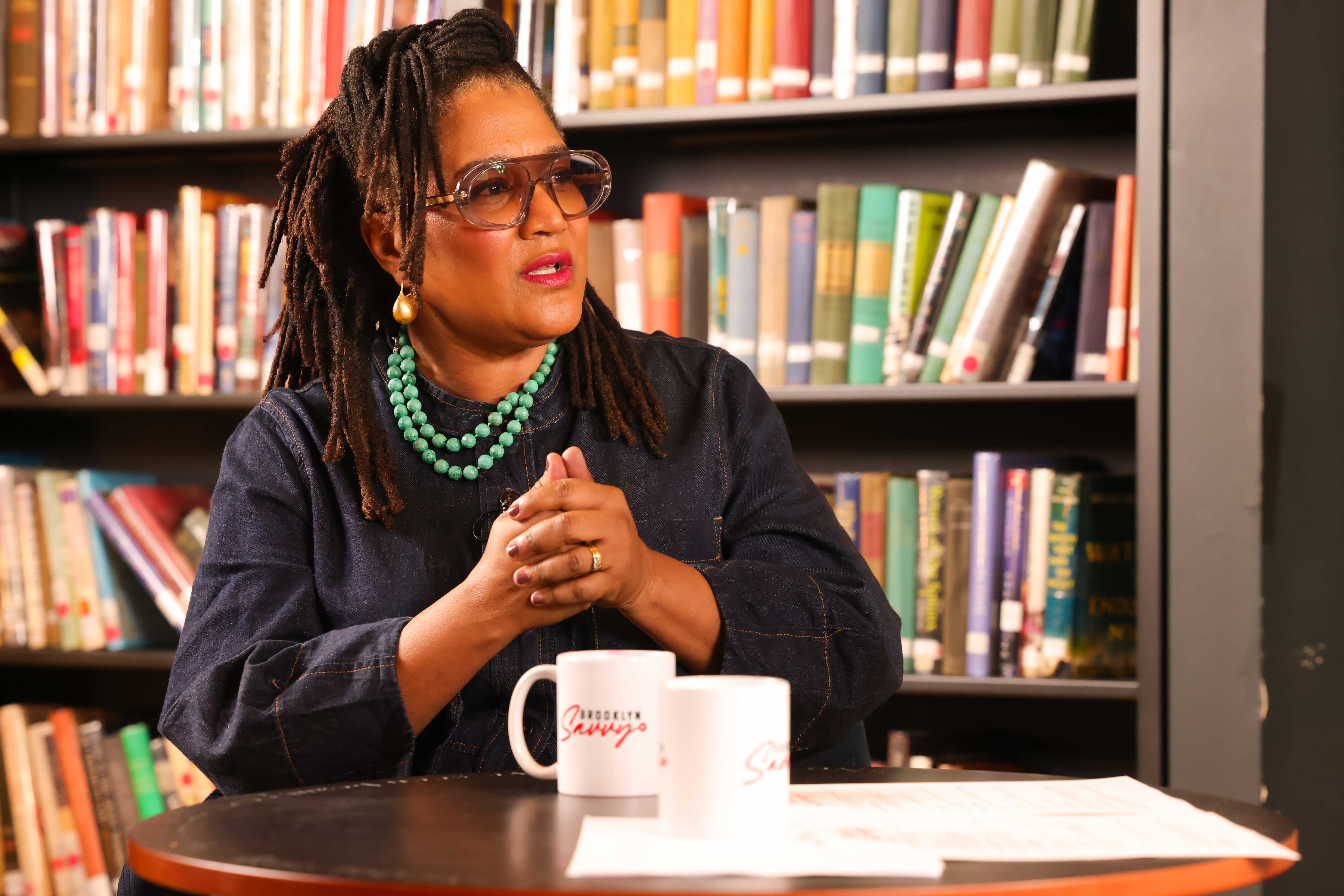
Brooklyn Savvy is your platform for engaging discussions on social justice. Our programs dive deep into these topics, offering fresh insights and practical advice. Join us and be part of the change. Discover more about our mission and how you can get involved.
Engage with dynamic discussions on social issues; check out Brooklyn Savvy, a platform led by women for a more inclusive world.
💪🏽✨
Frequently Asked Questions
What is the difference between equity and equality?
Equity involves distributing resources based on individual needs, while equality means providing the same resources to everyone. Equity aims to level the playing field by addressing systemic barriers.
How does inclusion differ from diversity?
Diversity refers to the presence of differences within a given setting, while inclusion ensures those differences are valued and integrated into decision-making processes. Inclusion focuses on creating an environment where everyone feels welcome.
Why are equity and inclusion important?
They are crucial for creating fair and just environments. Equity and inclusion help address systemic inequalities, ensuring that everyone has the opportunity to succeed based on their unique circumstances and contributions.
How can I promote inclusion in my workplace?
Promote inclusion by encouraging diverse perspectives, offering mentorship programs, and providing diversity training. Create an environment where all voices are heard and valued.
What role do women play in social justice?
Women often lead social justice movements, bringing unique perspectives and advocating for systemic change. Their leadership ensures comprehensive solutions that address real needs in communities.



Leave a Reply