Inclusion without real power is just a show. You can have a seat at the table but still watch decisions happen without your voice shaping them. This gap between inclusion vs equity leaves communities stuck, especially in urban spaces where women of color leadership should mean full influence. Let’s break down what true power sharing looks like—no fluff, just the moves that shift authority and build community strength. https://www.ethostalent.com/blog/why-d-and-i-doesnt-work-without-the-e
Inclusion vs Equity: What’s the Difference?
Inclusion and equity often get mixed up. But they are not the same. Inclusion means being invited. Equity means having power. You need more than just a seat. You need a say in what happens at that table.
Representation and Power Dynamics
Representation is important, but it’s only a start. You might see more faces of color in meetings or on boards. Yet, without real power, nothing changes. When decisions get made, those voices need to be heard, not just present. The dynamics shift when the power is shared. This isn’t just about fairness; it’s about real change. The traditional setup often keeps the same people in charge, even with diverse voices in the room.
For instance, having women of color in leadership roles is a big step. But if they can’t influence decisions, it’s like playing a game with no rules. They need to be part of the decision-making, not just there to fill a quota. True equity means changing the rules of the game, not just the players.
Women of Color Leadership in Action
Women of color leaders are making waves. They’re showing up and stepping up. But it’s not enough to just be present. They need tools and support to drive change. This means more than just listening. It’s about acting on their ideas and letting their voices lead the way.
In many urban areas, women of color are leading initiatives that address local issues. They bring new perspectives and solutions that others might overlook. When these leaders have real power, they can push for changes that benefit everyone. They’re not just talking about change; they’re making it happen. These women are champions of their communities, showing what true leadership looks like.
Urban Communities Speak Out
Urban communities have their own stories to tell. They know what needs fixing and how to fix it. But too often, their voices get drowned out. When these communities speak, leaders should listen and act. This is where real equity begins.
Urban voices bring fresh ideas and real-world solutions. They highlight issues like housing, education, and safety. By listening to these voices, leaders can make changes that truly matter. It’s about building trust and working together. These communities know their needs best. When they’re heard, everyone benefits.
Real Power Sharing Strategies

To move from inclusion to equity, you need real strategies. This involves changing policies and sharing decision-making roles. It’s about building systems where everyone has a voice and a vote on what happens next.
Policy Change and Co-Governance
Policies shape our world. They decide who gets what and when. To share power, policies need to change. Co-governance is key. This means working together with diverse groups to make decisions. Everyone should have a seat and a say.
Policy change can open doors. It allows for new voices and ideas. Co-governance means more than just talking. It’s about creating policies that reflect everyone’s needs. When different groups collaborate, policies become more inclusive and effective.
Equity in the Workplace: Beyond Pay
Workplace equity goes beyond equal pay. It’s about equal opportunities and treatment. Employers must ensure everyone can grow and succeed. This creates an environment where diversity thrives and everyone benefits.
Pay equity is just the beginning. Job roles, promotions, and work conditions also matter. Companies need to build inclusive cultures where everyone feels valued. This leads to happier employees and better workplaces. It’s not just fair; it’s smart business.
Community Power Building Tactics
Communities have power. They need strategies to use it. By organizing and advocating, they can drive change. These tactics empower communities to take control of their futures.
Community power is about organizing. It means coming together to tackle issues head-on. Through advocacy, communities can influence policies and decisions. By uniting, they amplify their voices and demands. This creates stronger, more resilient communities.
Elevating Voices with Brooklyn Savvy 📢

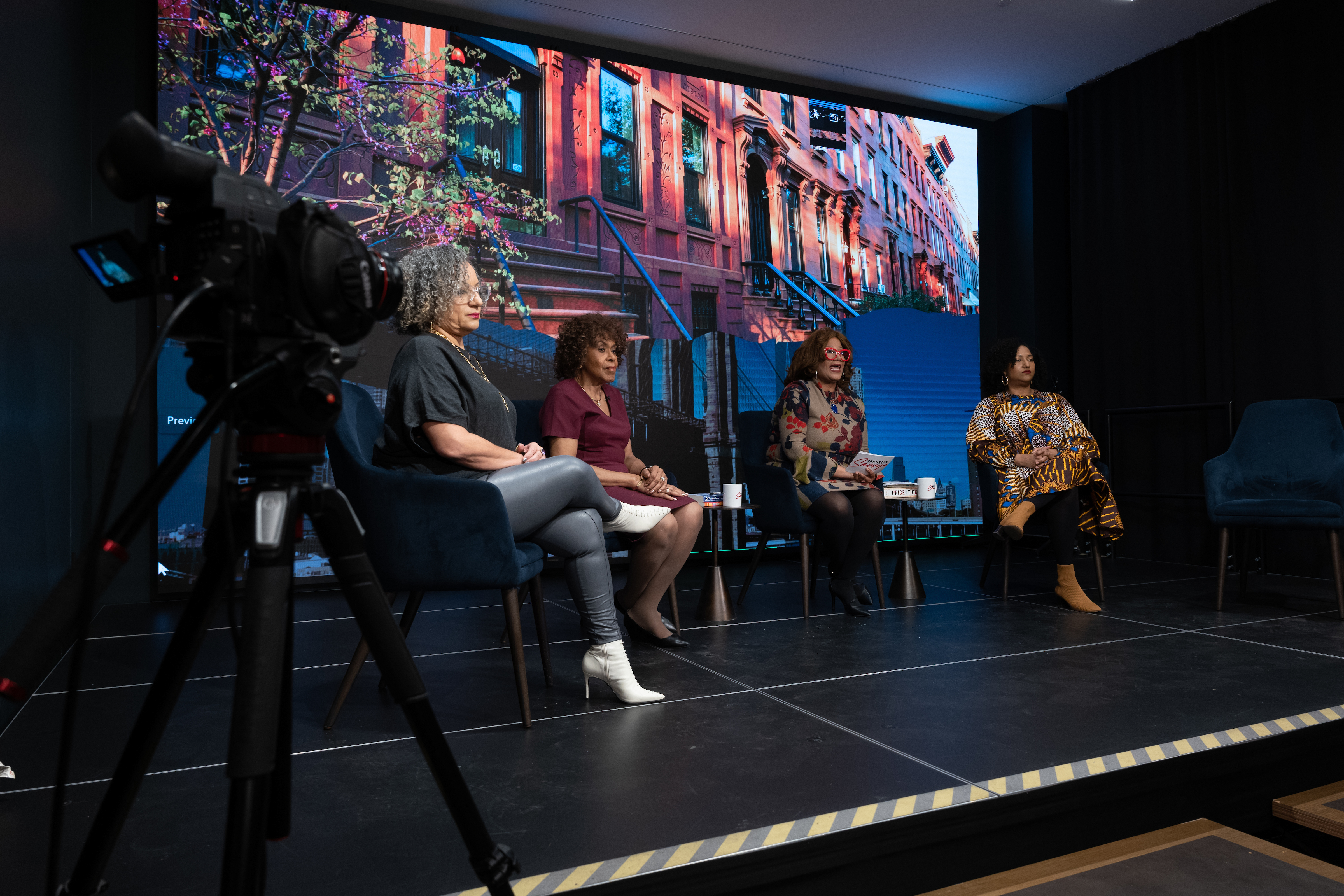
Brooklyn Savvy is all about lifting voices. The show explores social justice from a woman’s view. It’s a platform for change and conversation. By focusing on real issues, Brooklyn Savvy empowers communities to act.
Toni Williams on Social Justice
Toni Williams is a voice for change. She tackles tough topics and sparks discussions. Her insights help viewers understand social justice issues deeply. Toni’s leadership inspires others to stand up and speak out.
Toni Williams leads with passion. She dives into social justice topics that matter. Her perspective brings clarity and insight. By addressing real issues, Toni encourages viewers to think critically and act. Her leadership is a beacon for those seeking change.
Educator Resources for Engagement
Education is a tool for change. Brooklyn Savvy provides resources to help educators engage students. These materials spark discussions and foster understanding. They’re designed to make social justice topics accessible and relevant.
Educators need resources to teach social justice effectively. Brooklyn Savvy offers materials that engage and inform. These tools help students grasp complex issues and inspire action. By using these resources, educators can create meaningful learning experiences.
Allyship and Intersectionality 💪
Allyship is about standing with others. It means supporting those who fight for justice. Intersectionality highlights how different identities intersect. By understanding this, allies can offer better support and drive real change.
Being an ally means taking action. It’s about listening, learning, and supporting. Intersectionality shows how different identities overlap. Understanding this helps allies support effectively. By embracing allyship, you can help create a more just and equitable world.
Frequently Asked Questions
What is the difference between inclusion and equity?
Inclusion means inviting diverse people to the table. Equity ensures they have the power to influence and make decisions. It’s about moving from just being present to having real influence.
How can women of color gain more leadership roles?
Women of color can gain leadership roles by advocating for policy changes and building networks that support each other. Mentorship and community support also play key roles in lifting leaders.
What are some effective community power-building tactics?
Effective tactics include organizing, advocacy, and forming coalitions. These efforts help amplify voices and influence decisions that affect the community. By working together, communities can drive meaningful change.

Leave a Reply