Performative inclusion is everywhere—you see it in meetings, on social feeds, even on your block. It’s those empty gestures that look good but miss the real work of equity and belonging. Let’s break down how to spot tokenism in everyday spaces and flip the script toward authentic inclusion. Stick with me for a simple checklist and moves you can make now to demand impact over optics.
Spotting Performative Inclusion
Understanding what performative inclusion looks like is key to fostering genuine change. It’s not just about appearances; it’s about meaningful actions that promote equity and belonging.
Recognize Tokenism in Spaces
Tokenism is more common than you might think. It happens when only a few individuals from marginalized groups are included to give the illusion of diversity. You may notice this in workplaces that showcase a narrow range of voices in leadership roles. It can make it seem like they’re diverse, but it’s often just surface-level. When you notice the same faces representing an entire group, that’s a sign. Truly inclusive spaces allow for varied voices and perspectives. They celebrate differences and encourage everyone to contribute.
Understand Microaggressions and Allyship
Microaggressions are subtle, often unintentional, comments or actions that can be hurtful to marginalized groups. They can occur anywhere, from a casual conversation to a formal meeting. Recognizing these is crucial. It’s not just about avoiding hurtful statements; it’s about fostering an environment of respect.
Allyship comes into play here. Being an ally means actively listening, learning, and standing up against discrimination. It’s more than just words. It’s about taking action, even when it’s uncomfortable. Your role as an ally can help create a space where everyone feels valued and respected.
DEI Accountability in Urban Communities
In urban communities, diversity, equity, and inclusion (DEI) can take on different shapes. It requires local leaders to be accountable. This means having systems in place to support underrepresented groups. It involves listening to the community’s needs and acting on them.
Accountability also means transparency. Leaders should share their plans and progress openly. It’s about building trust and showing that efforts to improve DEI are genuine and ongoing. This transparency fosters a sense of community and shared goals, ensuring everyone is on the same page.
Shifting From Optics to Impact

It’s time to move beyond just looking inclusive. We need to make real changes that have a lasting effect on everyone involved.
Checklist for Authentic Inclusion
Creating authentic inclusion doesn’t happen overnight. Here’s a checklist to guide you:
-
Engage Diverse Voices: Ensure a variety of perspectives are heard and valued.
-
Promote Inclusive Policies: Review and update policies to reflect a commitment to diversity.
-
Foster Open Communication: Encourage dialogue where everyone feels safe to express themselves.
-
Measure Progress: Regularly assess and adjust efforts to ensure they meet inclusion goals.
Each step is a building block towards a more inclusive environment. By taking these actions, you contribute to a space where everyone feels truly included.
Steps for Community Accountability
Community accountability ensures that inclusion efforts are genuine and effective. Here are steps to achieve this:
-
Conduct Regular Audits: Evaluate community spaces and practices for inclusivity.
-
Encourage Feedback: Open channels for community members to voice their concerns and suggestions.
-
Implement Changes: Use feedback to make informed improvements.
-
Celebrate Progress: Acknowledge and share successes to motivate continued efforts.
Accountability is about being open to change and willing to act on it. It’s a collective effort that strengthens the community.
Empower Women’s Voices and Representation
Empowering women’s voices is a key aspect of authentic inclusion. Representation matters, and when women are heard, it can lead to significant social change. Encourage women to take leadership roles and support their initiatives. This not only benefits women but enriches the entire community with diverse perspectives and ideas.
Tune In and Take Action

Now that you know how to spot performative inclusion, it’s time to take action and make a difference.
Watch Our Social Justice Talk Show
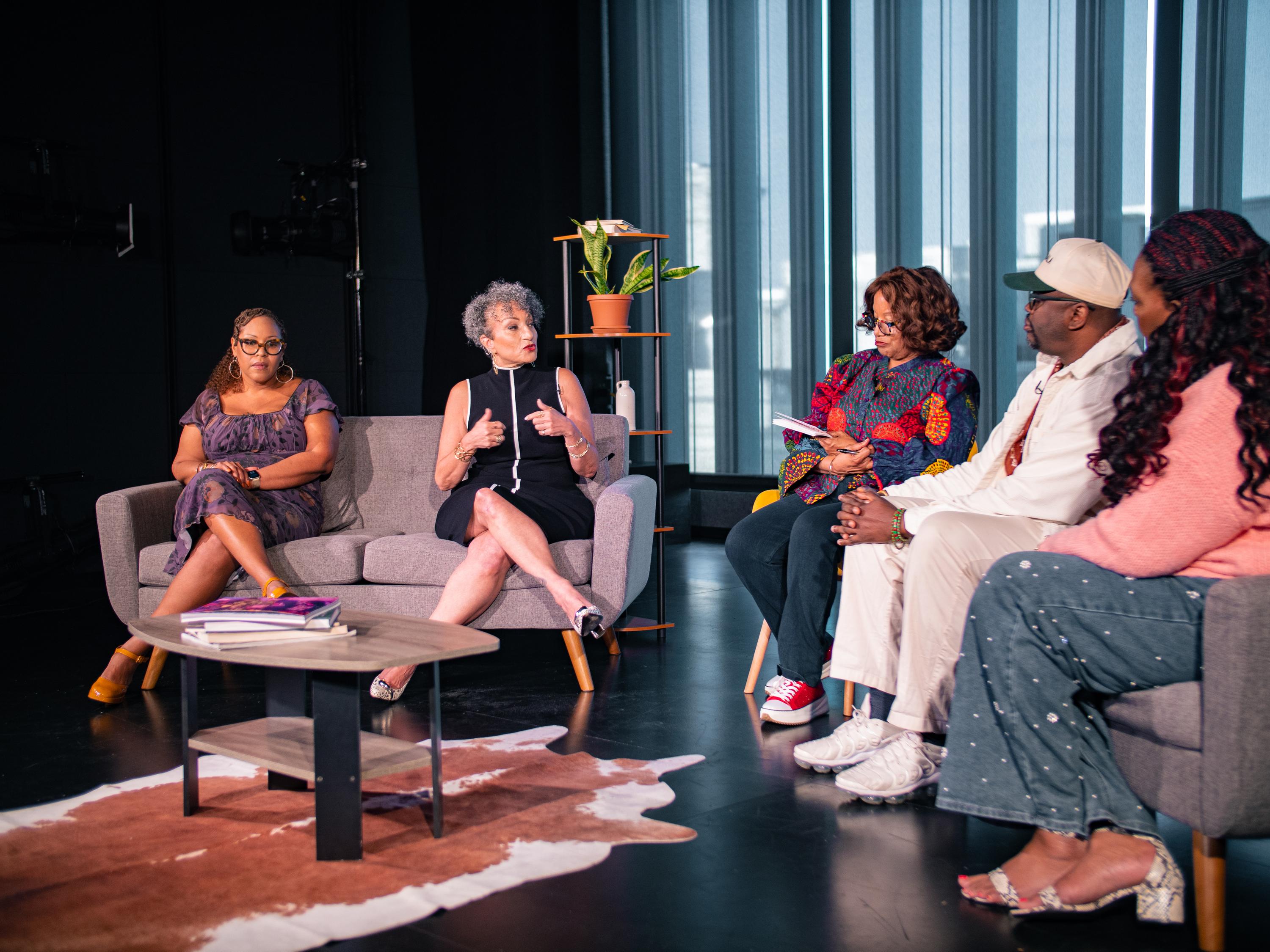
Our talk show dives deep into these issues, featuring discussions that matter. Tune in to hear from experts and community leaders as they tackle pressing social justice topics. This is your chance to learn and grow with us.
Join the Conversation and Share Experiences
Join us in these discussions. Share your experiences and insights to help drive change. Your voice is powerful, and together, we can create a more inclusive world. Engage with us on social media platforms and be part of the movement.
Support Our Mission and Merch with SAVVY10 🎥🗣️👕
Our mission is to promote social justice and equity. Support this mission by exploring our merchandise, designed with purpose and passion. Use code SAVVY10 to get a discount and show your commitment to change.
Frequently Asked Questions
What is performative inclusion?
Performative inclusion refers to actions that give the appearance of diversity and inclusion without implementing meaningful change. It’s about optics rather than genuine commitment to equity.
How can I recognize tokenism in my workplace?
Tokenism can be identified by the superficial representation of diverse groups, often without real power or voice. If only a few individuals from underrepresented groups are showcased repeatedly, it’s a sign of tokenism.
What are microaggressions?
Microaggressions are subtle, often unintentional comments or actions that can be demeaning to marginalized groups. They may seem harmless but can contribute to an unwelcoming environment.
How can I be an effective ally?
Being an effective ally involves listening, learning, and taking action. Speak up against discrimination, support marginalized voices, and continuously educate yourself on issues affecting these groups.
Why is representation important in media and leadership?
Representation in media and leadership is crucial because it ensures diverse perspectives are included and valued. It helps break down stereotypes and fosters a more inclusive society by showing that everyone has a voice.


Leave a Reply