Most talks about challenging power end up silencing the very people they aim to uplift. You want to call out injustice without pushing folks away or erasing their stories. Here’s how Brooklyn Savvy breaks down trauma-informed facilitation and nonviolent communication to build conversations that center marginalized voices while shifting power dynamics. Stick around to learn practical moves you can try this week. Check out this resource for more insights.
Building Conversations with Empathy
To shift power dynamics effectively, conversations must start from a place of empathy. This means truly listening and understanding experiences that differ from your own.
Centering Marginalized Voices
When you engage in dialogue, ensure that those who often go unheard get the floor. Letting them lead the conversation allows for genuine understanding. Consider this: if you’re in a group discussion, actively invite perspectives from those less likely to speak up. This encourages a more inclusive atmosphere. Inclusive conversations aren’t just about talking but about appreciating diverse narratives.
Trauma-Informed Facilitation Tactics
Facilitating discussions in a way that’s sensitive to individual backgrounds requires awareness. Trauma-informed facilitation involves recognizing signs of discomfort and knowing when to step back. It’s about creating a space where people feel safe to express themselves without fear of judgment. If you notice someone withdrawing, it might be a cue to adjust the conversation’s pace or tone. Keep in mind, a gentle approach can open up even the most guarded individuals.
Creating Psychological Safety
For dialogue to be effective, participants need to feel secure. Psychological safety is crucial for honest sharing. You can foster this by setting clear guidelines about respect and confidentiality. Consider starting each session with a reminder: “What we share here, stays here.” This builds trust and encourages openness. Remember, the more comfortable people are, the richer the dialogue becomes.
Frameworks for Equity and Inclusion
Once empathy is established, implementing frameworks for equity ensures that everyone’s voice contributes to the conversation’s depth and breadth.
Language Swaps for Nonviolent Communication
Words can either build bridges or walls. Nonviolent communication is about choosing terms that connect rather than divide. Instead of saying “you always,” try “I feel.” This subtle shift can make a huge difference. By altering your language, you encourage understanding rather than defensiveness. Using more “I” statements can make conversations feel less accusatory and more collaborative.
Call-In Culture Versus Call-Out Culture
The way we address issues can either alienate or engage others. Call-in culture encourages private conversations where individuals can learn and grow without public shaming. In contrast, call-out culture often involves public criticism. Sometimes, a quiet, thoughtful approach can spark more significant change. A simple, respectful discussion can be more impactful than a loud confrontation.
Intersectionality in Dialogue
Recognizing intersectionality means understanding how various aspects of identity—race, gender, class—interact. When discussing social justice, this perspective ensures no one is left out. Consider how different experiences shape viewpoints. For example, a woman’s experience with race might differ from a man’s. This awareness enriches discussions and drives more comprehensive solutions.
Sparking Community Dialogue and Engagement

With the right frameworks in place, it’s time to engage communities in meaningful discussions that inspire action and change.
Power Dynamics and Restorative Justice
Understanding power dynamics is key to fostering restorative justice. This involves recognizing who holds power and how it affects others. By acknowledging these dynamics, you can work towards balancing them. Restorative justice focuses on healing rather than punishment, which can transform community relations. When everyone feels heard, communities become more cohesive and resilient.
Civic Engagement in Urban Communities
Civic engagement involves actively participating in your community’s decision-making processes. Whether it’s attending town hall meetings or joining local groups, your voice matters. In urban communities, where diversity is rich, engaging in civic activities can lead to more representative outcomes. Encouraging others to get involved can amplify this effect, creating a ripple of change.
Brooklyn Savvy’s Role in Social Justice 🎤
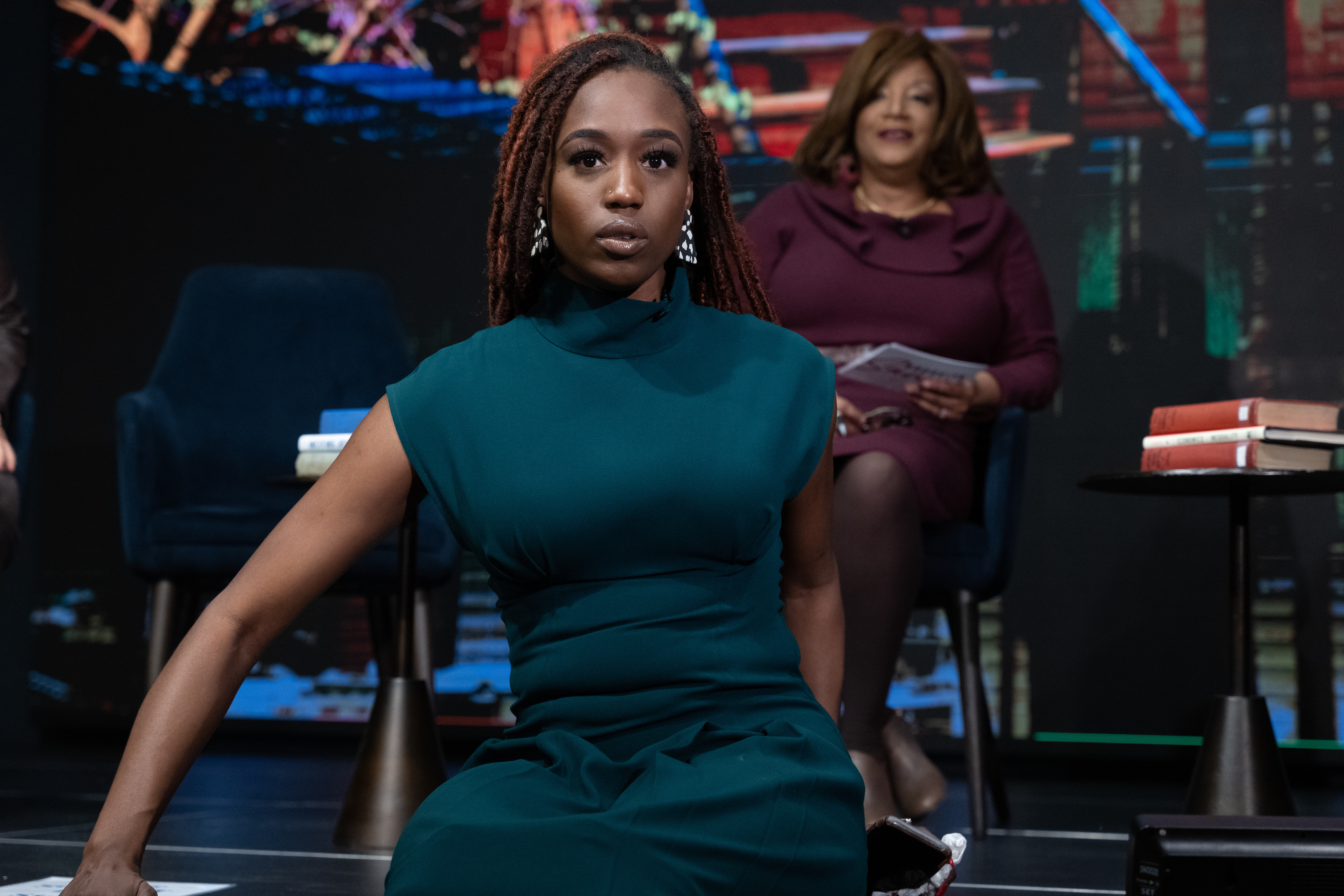
Brooklyn Savvy is a powerful platform in the quest for social justice. By focusing on a women’s perspective, it highlights issues often overlooked. The show’s dynamic discussions and diverse panelists provide fresh insights into complex topics. Through its programming, Brooklyn Savvy empowers viewers to challenge power structures and engage in inclusive conversations, nurturing a community of informed and inspired individuals. Whether you’re an educator, activist, or simply curious, there’s a place for you in this conversation. Join the movement and let your voice be heard.
Leave a Reply