Accountability isn’t a buzzword—it’s action. Too many equity-centered conversations stall on performative promises while real repair waits in the wings. You’re ready to shift from calling out with heat to calling in with heart, building trust and psychological safety that lasts. This post breaks down what accountability in social justice truly looks like and arms you with tools to lead brave spaces that foster change. Stick around: Toni Williams and the Brooklyn Savvy panelistas are flipping the script on community accountability. Check out our latest insights on real accountability in equity-centered conversations.
Real Accountability in Social Justice
Defining Equity-Centered Conversations
Speaking up for equity starts with understanding the core of these discussions. Real conversations require honesty and a shared goal of justice. You might wonder, “What makes a conversation truly centered on equity?” It’s about more than just words; it’s about commitment and action. In these conversations, your voice becomes a tool for change, not just a sound. To dig deeper into how conversations can drive equity, check out this guide on racial equity-centered accountability.
Call-In vs. Call-Out Culture
You’ve probably seen or experienced being called out. It can feel harsh, like a spotlight on mistakes. But what if there’s a better way? Call-in culture offers a softer approach, inviting growth rather than shame. Imagine a friend asking you to join a dance instead of pulling you off stage. Calling in creates room for dialogue and repair, making it easier to listen and learn. This method helps build a community where everyone feels they belong. When you call someone in, you’re not just pointing out a problem; you’re inviting them to be part of the solution. Think about how this can change the dynamics in your groups.
Beyond Performative Allyship
Real allyship demands more than just hashtags or slogans. It requires showing up consistently and being willing to learn and unlearn. Many people settle for performative gestures, which are easy and safe. But true allyship means digging deeper, asking tough questions, and admitting when you don’t know something. It’s about standing beside marginalized voices and amplifying them. Here’s the key insight: if you’re not feeling uncomfortable, you might not be pushing hard enough. Challenge yourself to move beyond performative actions and embrace genuine commitments.
Practical Tools for Equity Dialogue

5-Step Repair Cycle
Ready to repair? Here’s a simple cycle to guide you:
-
Acknowledge: Recognize the harm done.
-
Listen: Hear the perspectives of those affected.
-
Reflect: Consider why it happened and what needs changing.
-
Apologize: Offer a sincere apology, focusing on the impact.
-
Act: Implement changes to prevent future harm.
This cycle builds trust, showing that you’re serious about making things right. Each step is crucial, from listening deeply to acting on your promises. It’s not just about saying sorry; it’s about making sure it doesn’t happen again.
Creating Brave Spaces
Brave spaces are where real growth happens. Unlike safe spaces, which aim for comfort, brave spaces encourage honest dialogue, even when it’s tough. You might wonder how to create these spaces. Start by setting clear expectations: respect, openness, and confidentiality. Encourage everyone to share their stories, even if they’re messy. These spaces thrive on vulnerability and courage. You’ll find that when people feel they can speak their truth, real change follows.
Reflection and Scripts for Calling In
Preparing to call someone in? It starts with reflection. Ask yourself what the person needs to hear and how you can say it with care. Here’s a script to guide you: “I noticed something that I think we should discuss. Can we talk about it?” This opens the door to dialogue without blaming. Remember, the goal is not to win an argument but to foster understanding. With practice, you can make calling in a natural part of your conversations.
Mobilizing for Change

Watch and Engage with Brooklyn Savvy
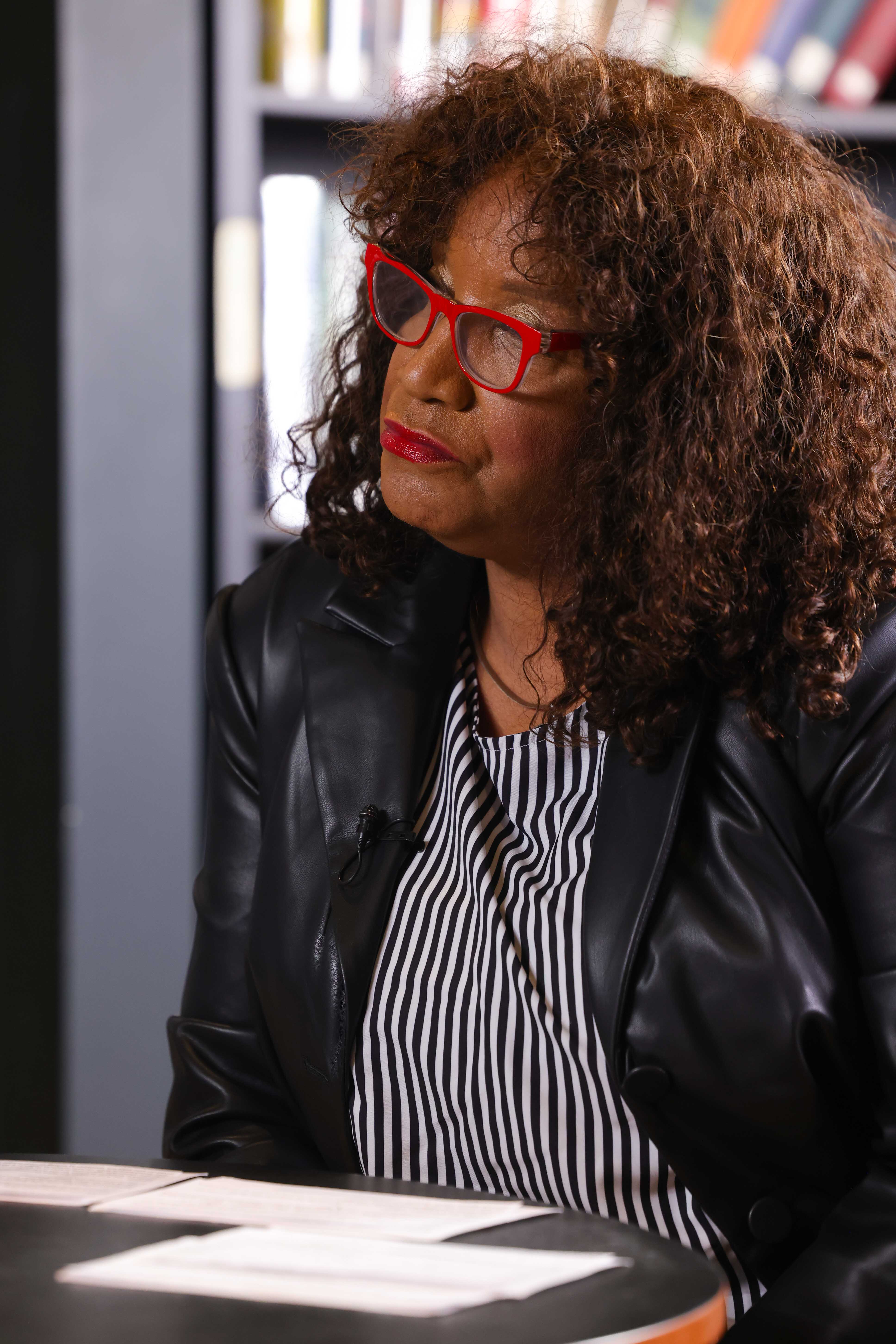
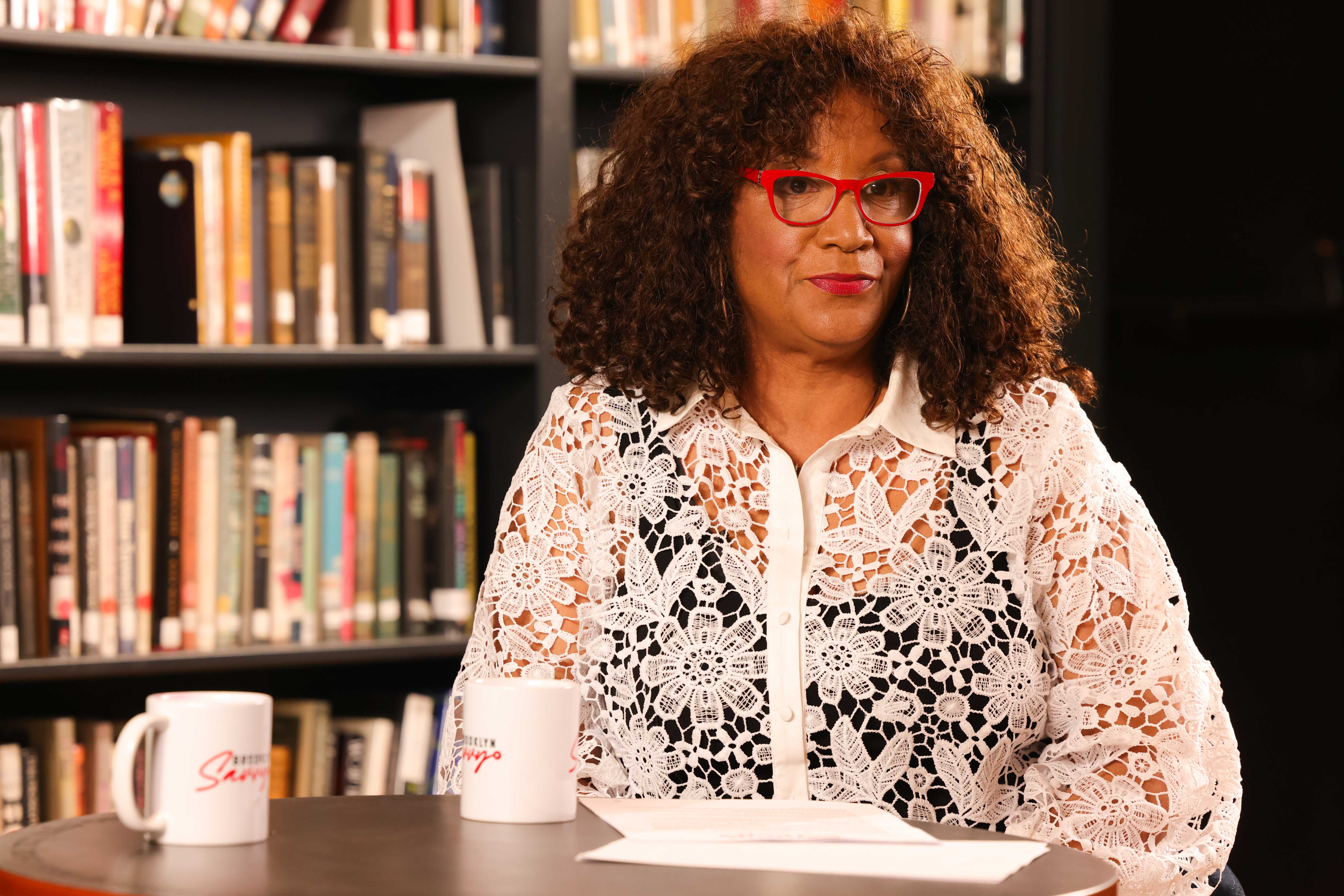
Looking to get inspired? Watch Brooklyn Savvy, where Toni Williams and the panelistas dive into crucial social justice issues. Each episode offers fresh insights and challenges you to think differently. By engaging with the show, you become part of a larger conversation, one that pushes for real accountability and change. Brooklyn Savvy isn’t just a talk show; it’s a movement.
Join Our Community Dialogue
Your voice matters. Join our ongoing community dialogue and share your thoughts on creating equitable spaces. When you participate, you join a network of changemakers committed to progress. These discussions are where ideas turn into action. You’ll find allies and resources to support your journey. Don’t wait; the longer you delay, the more opportunities for change slip away.
Support with the Accountability Collection
Want to make a statement? Support our mission by exploring the Accountability Collection. Each piece you choose helps amplify the message of equity and justice. Wearing these items isn’t just about fashion; it’s about standing up for what’s right. Show your commitment to change by making accountability a part of your everyday life.
Real accountability in social justice isn’t just a concept; it’s a practice. By embracing these tools and joining the dialogue, you contribute to a future where equity isn’t just talked about, but lived.

Leave a Reply