From Blocks to Belonging: Strategies to Build Inclusive Social Justice Networks in Urban Communities
Building inclusive social justice networks in urban areas isn’t just talk—it’s about creating real, safe spaces for Black and brown communities to thrive. You’ve seen how women-led activism and intersectional coalition building change the game, but making that happen takes sharp, practical moves. This post lays out grassroots organizing strategies that put equity in cities front and center. Ready to see how Brooklyn Savvy breaks it down with voices like Toni Williams and a toolkit you can actually use? Learn more about promoting social justice and equity in urban areas.
Women-Led Activism in Cities
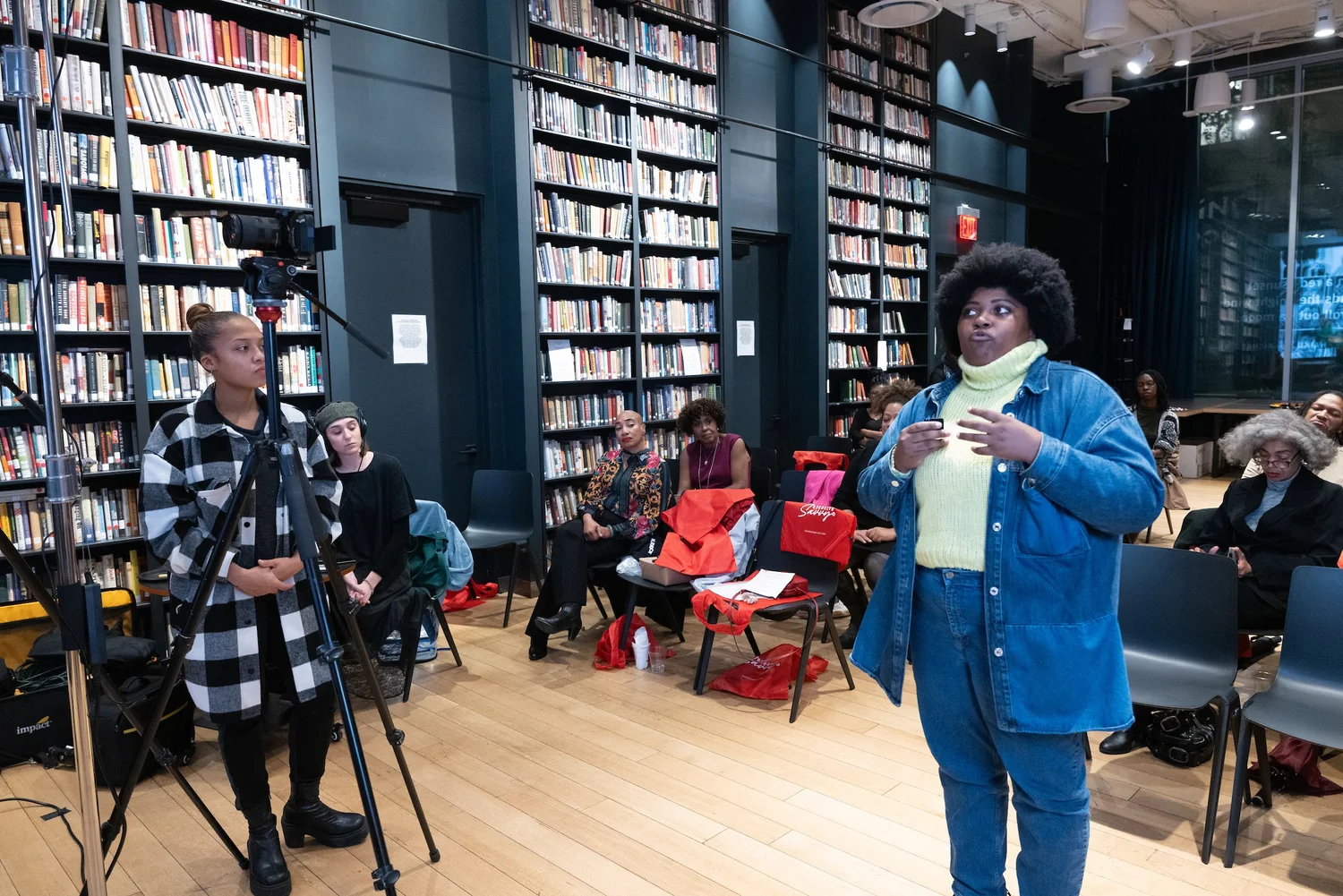
Creating equitable urban spaces begins with the passion and commitment of women-led movements. These initiatives are reshaping how cities function and ensure inclusivity for all.
Building Safe Inclusive Spaces
When you think of safe spaces, it’s more than just a physical location. It’s about creating environments where every voice feels heard. Women-led groups are leading this charge. By organizing community meetings, they ensure that everyone’s concerns get a platform. Simple yet powerful gatherings, like neighborhood potlucks, help foster understanding and trust.
Every time you join these gatherings, you contribute to a larger movement of inclusivity. It’s about building relationships that go beyond face value. These interactions become the foundation of a welcoming community. Most people want to feel connected, yet they struggle to find the right setting. These spaces offer just that—a chance to belong and thrive. You can explore more about how urban planning can promote social justice here.
Empowering Black and Brown Communities
Empowerment starts with recognizing and valuing diverse voices in our cities. Women leaders are amplifying these voices through mentorship programs and skill-building workshops. Programs like these offer tools for self-advocacy and leadership.
Engagement is crucial. By participating in local events or supporting Black and brown-owned businesses, you help uplift these communities. Did you know that small actions, like attending a local arts event, can significantly impact community morale? When we support these efforts, we’re not only promoting equity but also celebrating rich cultural heritages.
Intersectional Coalition Building Tactics

To truly make a difference, it’s essential to connect across different communities. Coalition building offers a way to unite diverse voices, ensuring that no group stands alone.
Mutual Aid Networks and DEI
Mutual aid networks are the backbone of many community efforts, offering resources and support where traditional systems fall short. Women-led groups often spearhead these networks, ensuring that diversity, equity, and inclusion (DEI) are prioritized.
Imagine a network where everyone contributes what they can, whether it’s time, skills, or resources. This collective approach ensures that help is available to those who need it most. It’s a system based on trust and reciprocity. By participating, you not only receive but give back, strengthening community bonds. Discover more about inclusive public spaces here.
Community-Led Change and Equity
Change is most effective when it comes from within. Community-led initiatives have the power to address local issues more directly than top-down approaches. These initiatives often focus on specific needs, like affordable housing or education access.
You have the power to influence by being an active participant in these efforts. Attend town hall meetings or join local advocacy groups. When communities lead the charge, the solutions are tailored and sustainable. This is true equity in action—driven by those it affects most.
Urban Community Organizing Strategies

Cities are dynamic and ever-changing. For meaningful change, urban organizing strategies must adapt and innovate.
Engaging in Civic Engagement
Civic engagement is about action. By voting in local elections or participating in public forums, you exercise your power. Women activists often lead workshops to educate communities on their rights and how to effectively engage with local governance.
The longer you wait to get involved, the more opportunities for change slip away. Why not start by attending your next city council meeting? Your voice matters, and your participation can spark significant shifts in policy and practice. Read more about urban design strategies here.
Driving Urban Policy Advocacy
Advocacy is the heart of policy change. Women-led groups are at the forefront, pushing for policies that reflect the needs of their communities. They utilize data and storytelling to make compelling cases for change.
Your role is crucial, too. By staying informed and advocating for policies that align with your values, you contribute to a broader movement. Attend advocacy training sessions or join campaigns that resonate with you. Together, we can drive meaningful policy shifts that prioritize equity and inclusivity.
🌆✨
In building inclusive social justice networks, every action counts. From women-led initiatives to coalition-building strategies, each step takes us closer to a more equitable urban environment. Let’s continue to support these efforts and drive change in our communities.

Leave a Reply