-

Inclusion Without Power Isn’t Equity—Let’s Keep It Real
Inclusion without power is tokenism; true equity means sharing decision-making power. Organizations must shift from surface diversity to power-sharing frameworks, promoting diverse leadership for meaningful change.
-
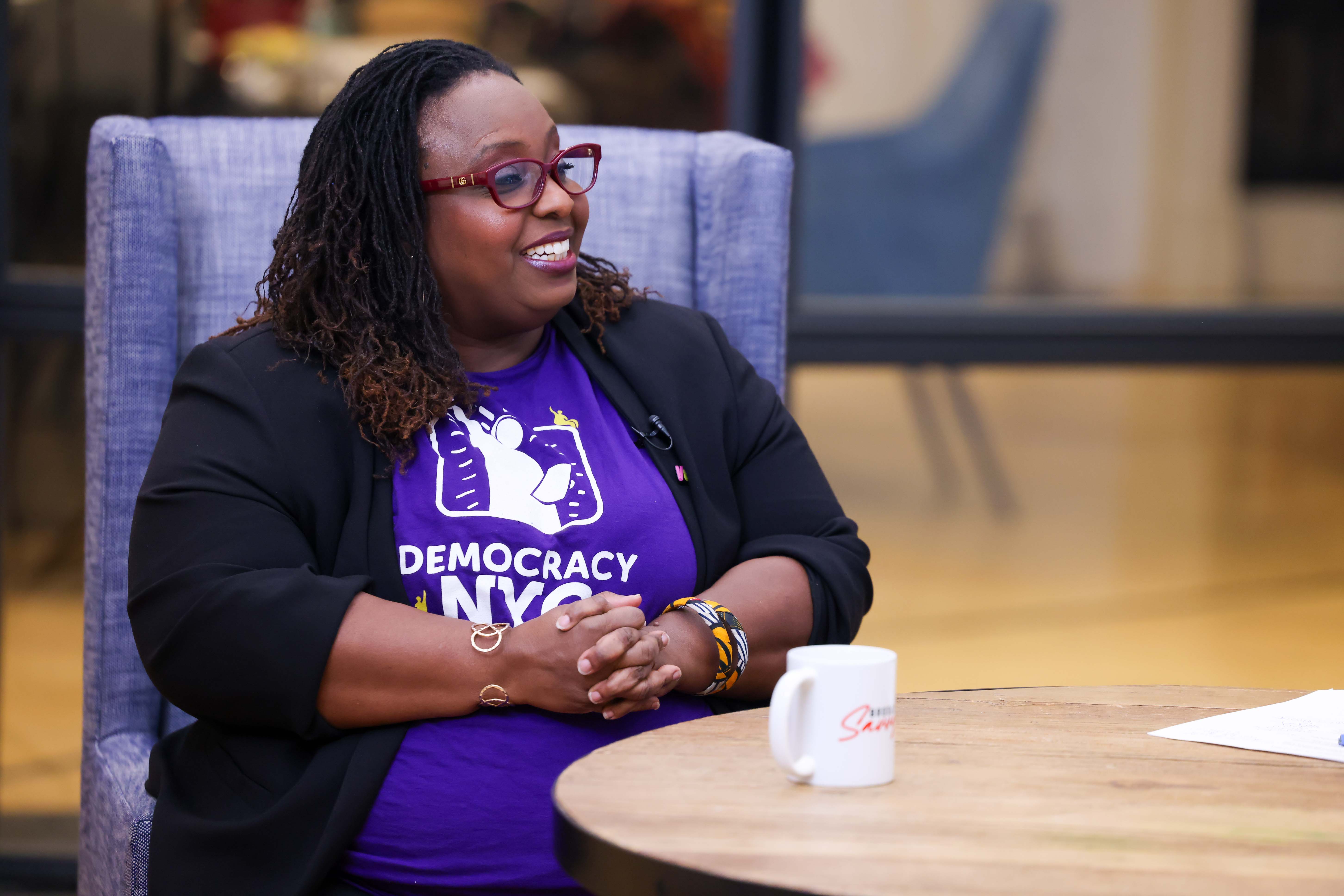
Beyond the Optics: Recognizing Performative Inclusion Early
Recognize performative inclusion by spotting tokenism in leadership, media, and community spaces. Promote authentic DEI with clear policies, diverse decision-makers, intersectional approaches, and actionable change.
-
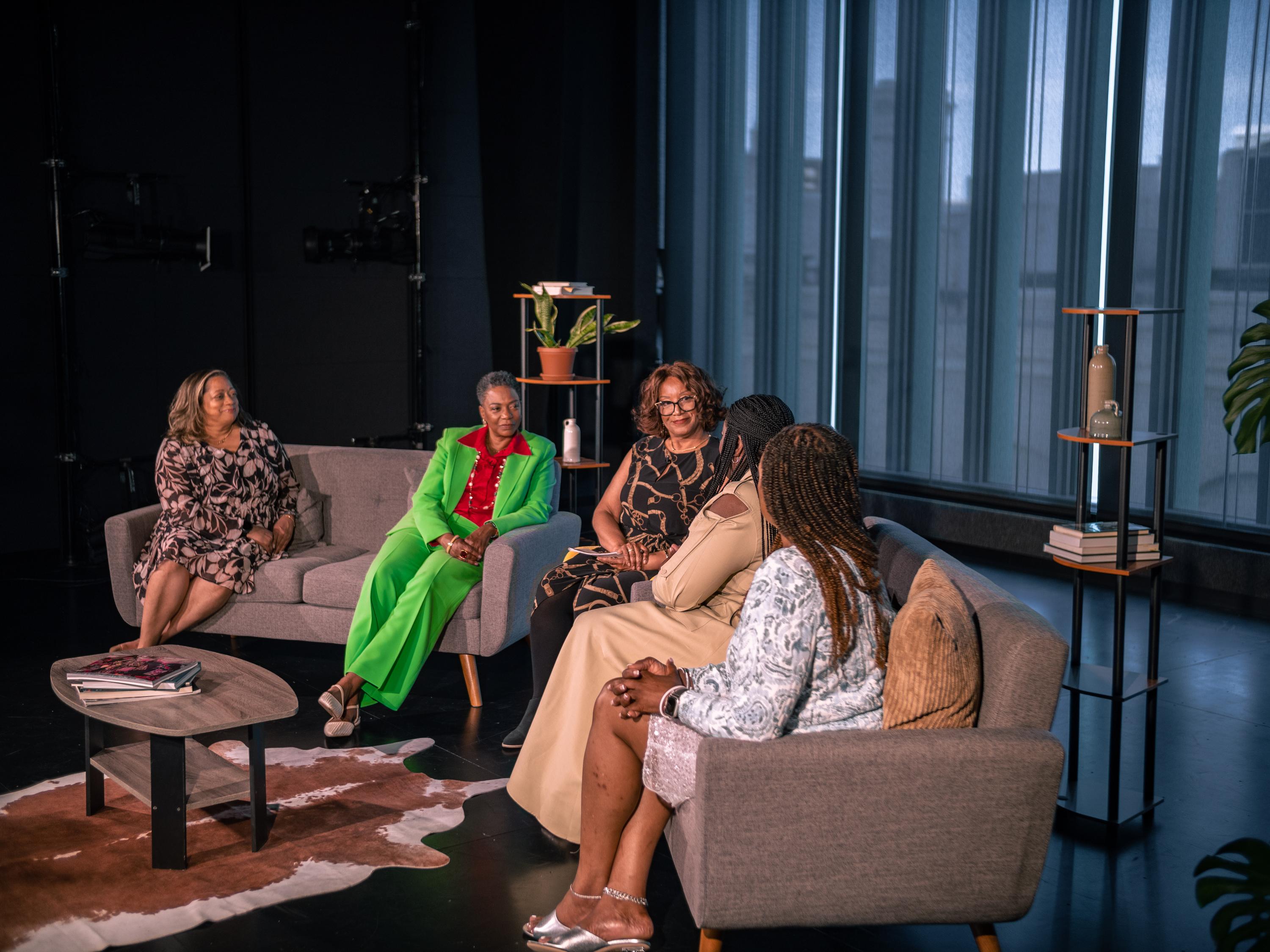
When Women Lead the Mic: How Women-Centered Justice Conversations Shift Public Understanding
Brooklyn Savvy amplifies women-led social justice talks, fostering empathy, intersectional dialogue, and community activism. It empowers urban audiences through storytelling and education for inclusive change.
-
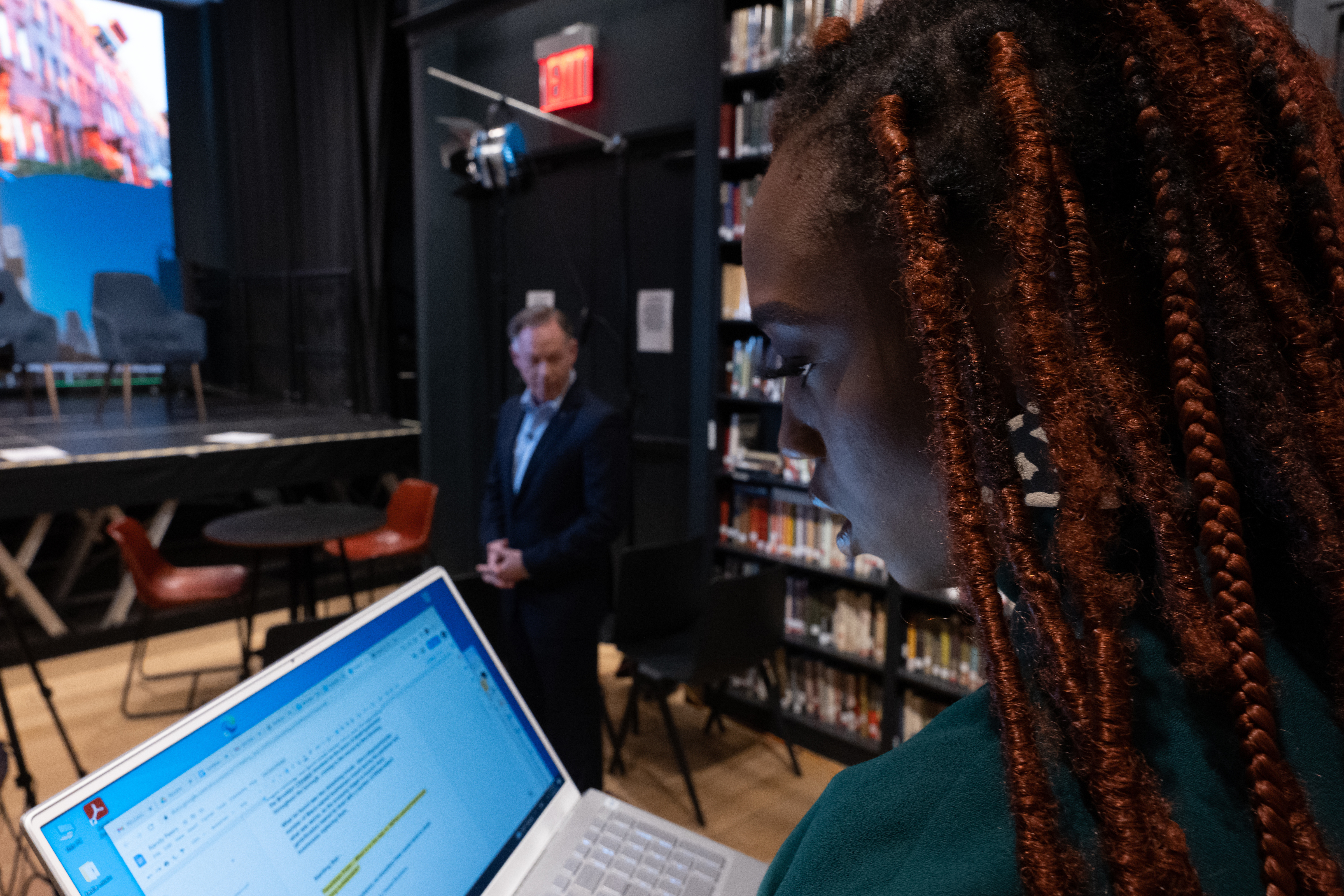
Community Care, Built To Last: Turning Love Into Structure
Structured community care with clear roles, trauma-informed practices, shared leadership, and accountability fosters sustainable support, prevents burnout, and builds lasting, empowered communities.
-

Who Gets Believed? The Power of Language in Social Justice Spaces
Language shapes credibility in social justice spaces, often sidelining Black and Latina women through tone policing, code-switching pressures, and respectability politics. Empathy, bias awareness, and inclusive dialogue are key to equity.
-

The Hidden Cost of Making Women the Keepers of Peace
Women, especially Black women, bear unpaid emotional labor as community peacekeepers. To build lasting peace, it’s vital to share responsibility, support them, set boundaries, and embrace restorative justice and inclusive public safety alternatives.
-
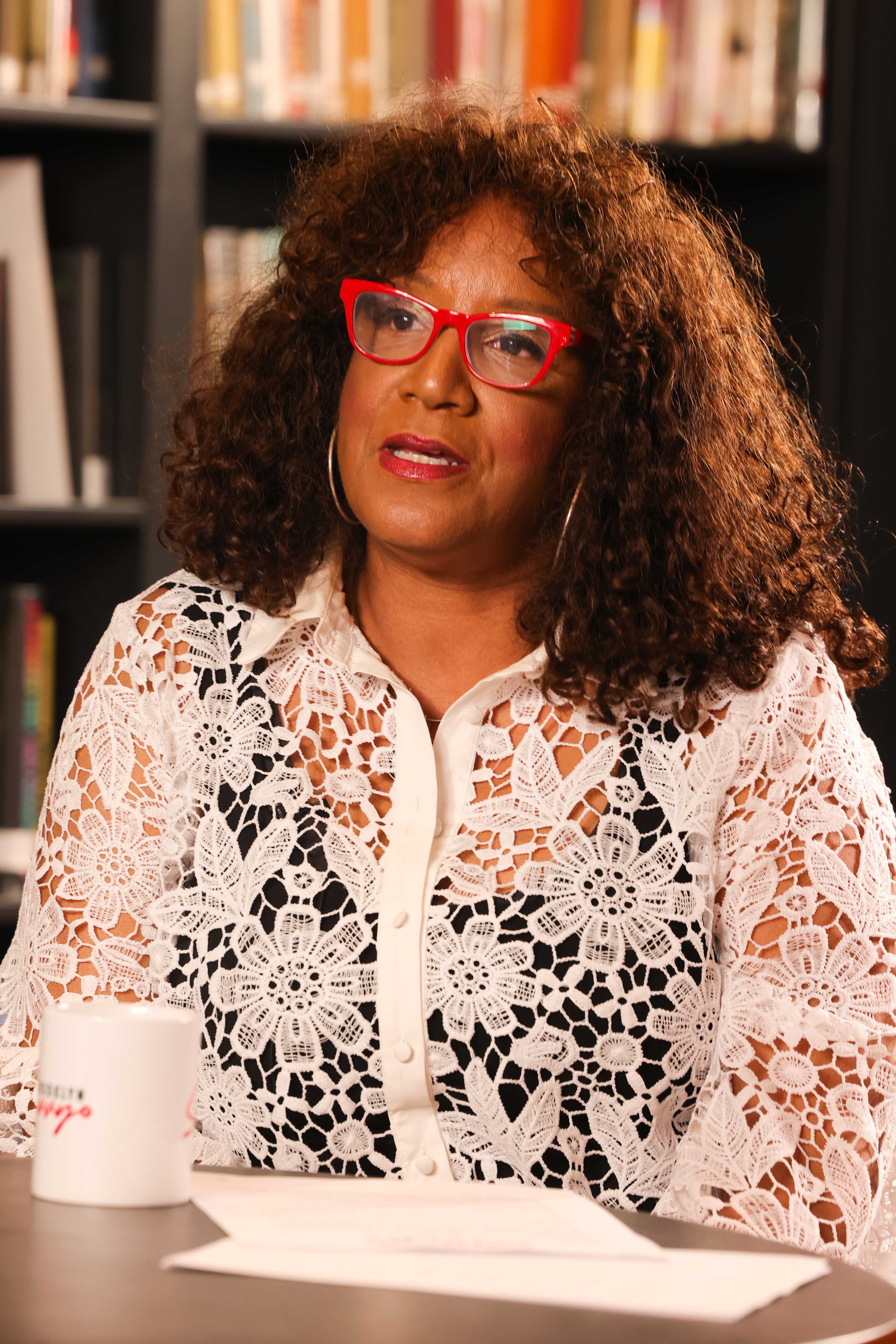
Inclusion Without Power Is Not Equity: Seats Don’t Equal Say
Inclusion without power is superficial; true equity requires sharing decision-making authority. Identify hidden influencers, map power dynamics, and promote women and intersectional equity for meaningful change.
-

Beyond the Hashtag: How to Recognize Performative Allyship in Everyday Spaces
The document highlights how to distinguish performative allyship from authentic support, emphasizing listening, learning, inclusive leadership, calling in for growth, and amplifying marginalized voices for real social change.
-

From Symbolic Support to Shared Power: What Real Allyship Looks Like
True allyship moves beyond performative gestures to shared power by embracing co-governance, grassroots leadership, mutual aid, and amplifying marginalized voices, especially women, for lasting social change.
-

Everyday Words, Hidden Walls: How Language Trains Us to Accept Exclusion
Language shapes inclusion by embedding biases in everyday phrases; recognizing and replacing exclusionary terms fosters allyship, sparks dialogue, and empowers communities toward equity and respect.