Stigma hides in the words we drop every day—terms like crazy, addict, or felon aren’t just words; they’re loaded with bias. These everyday phrases, mixed with public habits like side-eyes on the subway or ignoring mental health, keep stigma alive in urban communities. You’ll learn how to spot these microaggressions, swap out harmful language, and spark real community dialogue. This is your call to join Toni Williams and Brooklyn Savvy in shifting how we talk, act, and think.
Language Shapes Our World
Words shape how we see the world and each other. They carry weight, influencing perceptions and actions. Let’s explore how language contributes to stigma.
Impact of Stigma in Everyday Language
Everyday words can harm more than we think. Labels like “crazy” or “addict” contribute to stigma, reducing people to stereotypes. These terms are often thrown around casually, but they can have serious implications. They impact how people see themselves and how others treat them.
For example, calling someone “crazy” can make them feel isolated. It reinforces the idea that mental health struggles are abnormal. Most people think these words are harmless, but they can deepen existing biases. A study found that language significantly influences stigma. Words matter, and changing them can shift views.
Recognizing Microaggressions and Bias
Microaggressions are those subtle, often unintentional, insults or assumptions. They sneak into conversations, unnoticed, yet have real effects. Recognizing them is the first step to change. They often stem from stereotypes and can be as simple as a surprised reaction to someone’s success based on race or gender.
Consider the phrase, “You speak so well,” directed at someone of a different race. It assumes they wouldn’t, otherwise. These comments, though small, build up, affecting confidence and belonging. Awareness is key. Listening to those affected can open your eyes to biases you didn’t know existed.
Inclusive Language for Social Justice
Inclusive language empowers. It’s a way to show respect and support for all individuals. By using neutral and precise terms, we can foster a more inclusive environment. For instance, instead of using “he” or “she,” try “they” when gender is unknown. This small change can make a big difference.
Using person’s first language, like “person with a disability,” rather than defining someone by their condition, is another powerful shift. Such language respects individuality and humanity. The goal is to create spaces where everyone feels seen and respected. Language is a tool for social justice, and we all can wield it wisely.
Public Habits Fueling Stigma

Stigma isn’t just in words—it’s in actions, too. Public habits can spread bias silently. Let’s dive into how these habits impact diverse communities and how you can help change them.
Addressing Gender and Racial Bias
Gender and racial biases show up in countless ways. From the way we talk to the way we react to others, they’re woven into daily life. Society has long dictated roles and expectations based on gender and race. Ever notice how some fields are labeled “male” or “female” jobs? Or how racial stereotypes influence job opportunities?
These biases limit potential and reinforce inequality. Acknowledging these ingrained habits is tough, but it’s crucial. It starts with noticing when bias happens and speaking up. By challenging these norms, we open doors to equal opportunities for all.
Mental Health Stigma and Ableist Language
Mental health is often misunderstood, leading to stigma and discrimination. Think about phrases like “snap out of it” or “just be happy.” Such comments dismiss the real struggles people face. Similarly, ableist language, like “lame” or “blind to the truth,” can make individuals feel lesser.
Words shape perceptions. Changing how we speak about mental health and disabilities can foster empathy and understanding. Recognizing the strength it takes to seek help is vital. It’s time we support, rather than stigmatize, those on their mental health journey.
Criminalizing Language in Urban Communities
Language around crime often labels people unfairly. Words like “felon” or “ex-convict” define individuals by their past mistakes. This can make reintegration into society harder. They face judgment, rather than support, in rebuilding their lives.
Framing people by their worst actions ignores their potential for growth. Society often overlooks their efforts to change. By using language that recognizes them as individuals, we can help reduce stigma. A resource from SAMHSA suggests using terms like “person with a criminal record.” It focuses on the person, not the past.
Sparking Community Dialogue

Dialogue can drive change. By talking openly, you can challenge norms and inspire action. Let’s explore how you can help create spaces for these crucial conversations.
Building Call-In Culture
Call-in culture is about constructive conversations. Instead of calling out someone’s mistake publicly, it encourages private, respectful dialogue. This approach can foster learning and growth. It’s not about shaming; it’s about understanding.
Imagine hearing an offensive comment. Instead of reacting with anger, try pulling the person aside. Explain why the comment was harmful. This method can create allies rather than enemies. Building a call-in culture means creating safe spaces for learning and change.
Tools for Language Audit and Change
Changing language habits isn’t easy, but tools can help. A language audit involves reviewing how we speak and identifying areas for improvement. Start by listening to yourself. Are there phrases you use that might be stigmatizing?
Consider keeping a journal. Note down any language you find problematic and work on alternatives. Resources like the Words Matter guide provide practical tips. It’s about progress, not perfection. Small steps lead to big change.
Empowering Women’s Voices in Social Justice
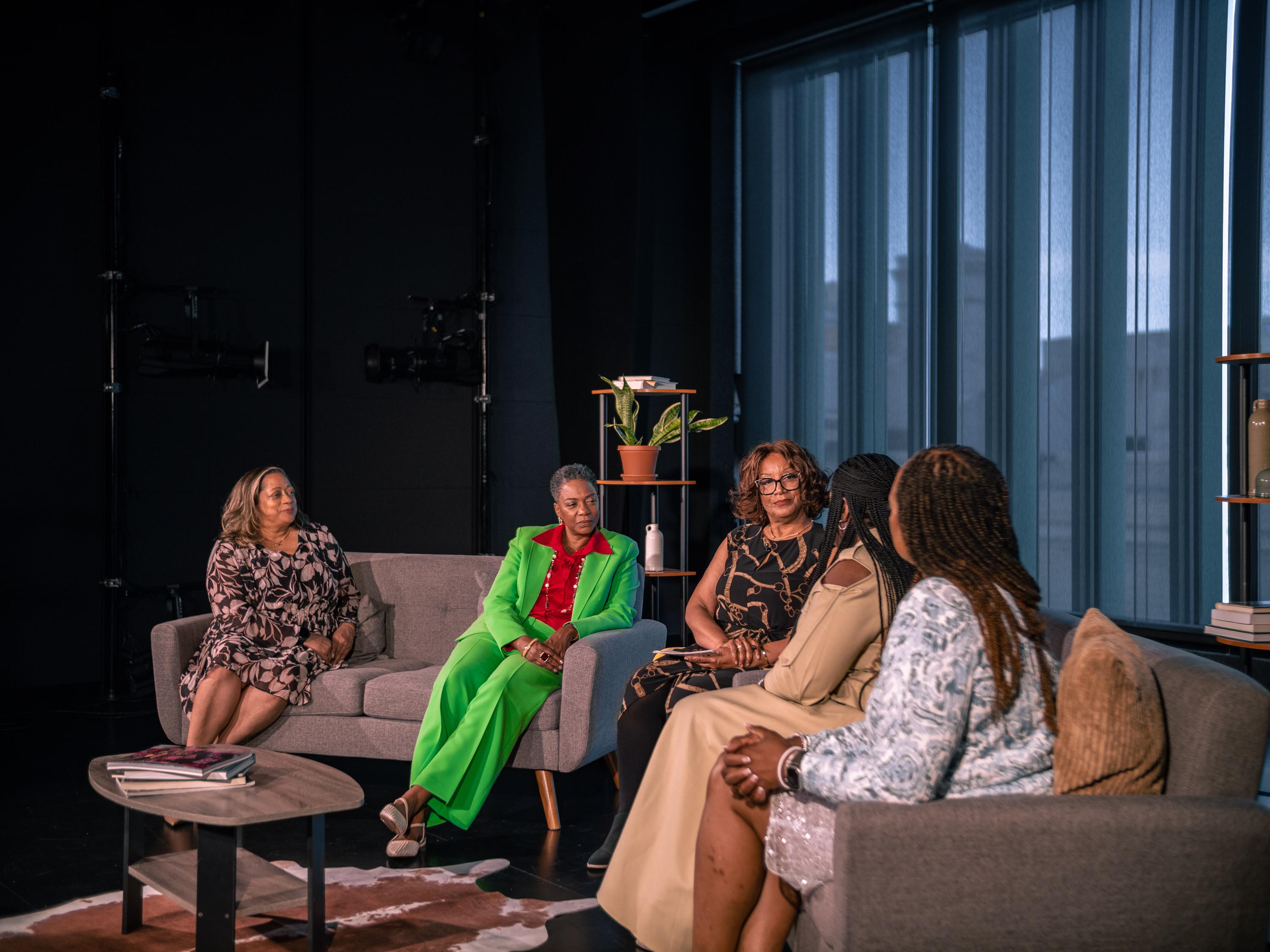
Women have long been at the forefront of social justice. Platforms like Brooklyn Savvy highlight these voices, sparking dialogue and action. Women bring unique perspectives to issues like equity, inclusion, and justice.
Creating spaces for women’s voices enriches conversations. It challenges assumptions and inspires new solutions. Support platforms that amplify these voices. Engage with their content, share their stories, and join the dialogue. Empowerment starts with listening and acting.
🎉
In conclusion, language and public habits deeply influence stigma in our communities. By recognizing and altering these, you can help foster understanding and equity. Join the movement with Brooklyn Savvy, where conversations spark change and every word matters.

Leave a Reply