Representation without real authority is just a photo op. You’ve seen women in leadership roles flashing smiles, but who’s actually calling the shots? The gap between surface-level diversity and real power in leadership shapes policies that affect your community every day. Let’s break down how to spot genuine decision-making authority and why it matters for equity in leadership. Check out this thought-provoking discussion on the topic.
Representation vs Real Power
Unraveling the difference between representation and actual decision-making power helps us understand leadership dynamics. It’s not just about who’s in the room, but who holds influence and makes decisions.
Spotting Real Authority in Leadership
To discern real power in leadership, look beyond titles. True leaders shape outcomes and direct strategies. Evaluate who sets agendas and drives change. Often, those with genuine authority have a say in crucial meetings and decisions. Watch how they communicate: do they delegate or direct? Their presence often leads to tangible action, not just talk.
Another sign is accountability. Leaders with actual power answer for successes and failures. They don’t pass the buck. They own up and adjust course when needed. When assessing leadership, focus on these indicators to gauge who truly leads.
Decision-Making and Structural Power
Real power lies in decision-making. Leaders must influence key decisions to enact change. Structural power comes from shaping systems that determine outcomes. It’s about setting policies and frameworks within which organizations operate.
Look for leaders who actively participate in creating or revising systems. These individuals don’t just follow the rules; they help write them. Their voices resonate at pivotal moments, steering projects and initiatives. By concentrating on these aspects, you can spot leaders with real influence.
Budget Control and Policy Influence
Budget control is a clear marker of power. Leaders who allocate resources shape priorities. They decide where funds go and what projects get support. This role directly impacts an organization’s direction and success.
Policy influence is another power indicator. Those who craft or modify policies steer organizational behavior. They impact how goals are pursued and achieved. Watch for leaders who drive policy discussions and decisions. Their involvement in budgeting and policy shows their true authority.
Women in Leadership and Equity

Shifting the focus to women in leadership reveals insights into equity challenges. Women’s roles in decision-making processes are crucial for fair representation.
Intersectional Feminism and Policy Change
Intersectional feminism highlights diverse women’s experiences, ensuring policies reflect varied needs. This approach addresses inequality at multiple levels, benefiting wider communities. By considering different perspectives, leaders can create inclusive policies that truly serve all.
Women’s involvement in policy change leads to more equitable solutions. They bring unique insights that challenge status quos. Recognizing and supporting these contributions fosters progress. Feminist principles in leadership pave the way for a more just society.
Accountability in Leadership Pipelines
Ensuring accountability in leadership pipelines is vital for sustainable equity. It’s about more than numbers; it’s about impact and responsibility. Leaders accountable for their actions foster trust and transparency.
Analyze how leadership development programs address accountability. Do they inspire ethical standards and integrity? Effective pipelines support leaders who prioritize community needs over personal gains. This shift helps build a culture of accountability and trust.
Diversity, Inclusion, and Community Organizing
Diversity and inclusion are essential in community organizing. They enhance decision-making and lead to stronger outcomes. Inclusive environments encourage diverse perspectives, sparking innovation and resilience.
Community organizing thrives on diversity. It builds connections and amplifies voices often unheard. Empowering communities through inclusive practices fosters unity and progress. Leaders must champion these values to drive meaningful change.
Brooklyn Savvy’s Call to Action

Brooklyn Savvy is committed to empowering urban communities through informed dialogue and storytelling. Join us in exploring these crucial issues.
Toni Williams: Empowering Urban Communities
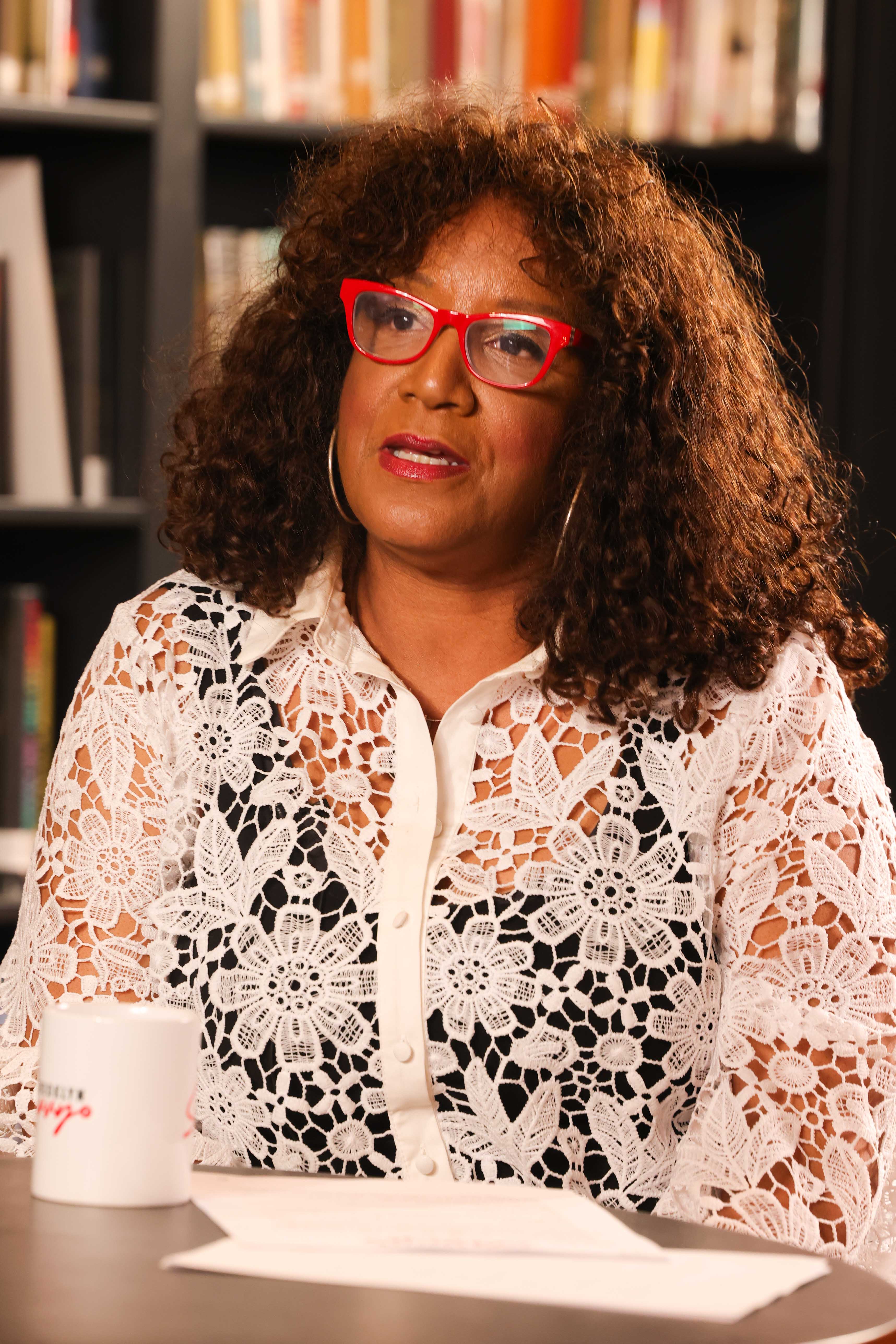
Toni Williams leads Brooklyn Savvy in uplifting urban communities. Her commitment to social justice is unwavering. She inspires change by addressing systemic issues and advocating for marginalized voices. Learn more about her impactful work.
Engage with Authentic Storytelling
Authentic storytelling is powerful. It connects people and conveys real experiences. Stories reveal truths and inspire action. Engage with content that challenges norms and sparks meaningful dialogue. Sharing these narratives empowers communities to strive for justice.
Civic Engagement and Social Justice Media
Civic engagement is a cornerstone of social justice. It encourages active participation in societal change. Media plays a crucial role in this process, informing and galvanizing communities. Support platforms that prioritize social justice and amplify diverse voices. Together, we can make a difference.
Frequently Asked Questions
What is the difference between representation and real power in leadership?
Representation focuses on presence, while real power involves decision-making and influence. True leaders shape outcomes and steer strategies, holding actual authority.
How can I spot real authority in leadership?
Look for leaders who actively participate in critical decisions and policy-making. They communicate effectively, own their actions, and influence systems and resources.
Why is intersectional feminism important in leadership?
Intersectional feminism considers diverse experiences, leading to more inclusive and equitable policies. It addresses multiple layers of inequality, benefiting broader communities.
How does diversity impact community organizing?
Diversity enhances decision-making and fosters innovation. Inclusive organizing connects communities, amplifying voices and driving meaningful change.
What role does media play in social justice?
Media informs and engages communities, promoting civic involvement and highlighting social issues. It amplifies diverse voices, driving awareness and action for justice.



Leave a Reply