Emotional labor in advocacy isn’t just “part of the job”—it’s a heavy, invisible weight that lands hardest on women. You’re expected to hold space, manage feelings, and fix problems without extra pay or credit. Let’s break down how nonprofit culture, racialized gender expectations, and burnout stack the deck against women in advocacy—and what you can do to push back with clear boundaries and real self-care. Check out more on this topic here.
Emotional Labor in Advocacy
Dive into the untold story of emotional labor, where women in advocacy feel the heaviest burden. They manage more than just tasks; they juggle expectations, emotions, and problem-solving without the recognition they deserve.
Women in Advocacy Spaces
Women are the backbone of advocacy. They lead efforts, support causes, and build communities. Yet, their emotional input often goes unnoticed. In the nonprofit world, these women are seen as natural caregivers. This expectation puts them in a constant cycle of giving, often without acknowledgment.
They navigate complex feelings daily, managing their own and those of others. This invisible work can lead to burnout. Women in advocacy spaces deserve more than a pat on the back; they need real support and recognition for their contributions.
Nonprofit Burnout Realities
Burnout in nonprofits is common, but women bear the brunt. They balance organizational demands with the emotional needs of their teams. The pressure to perform can be overwhelming. Most nonprofits rely heavily on women, expecting them to manage roles with limited resources.
This strain leads to fatigue. The expectations are high, and the resources are low. Women often feel like they have to do it all without sufficient backup. It’s crucial to recognize these challenges and push for structural changes that support women in these vital roles.
Invisible Work Unveiled
Invisible work goes beyond job descriptions. It’s the emotional management women perform that remains unseen. They handle conflicts, comfort colleagues, and create safe spaces. This work, though vital, is rarely acknowledged.
Recognizing invisible work means valuing emotional contributions as much as strategic ones. It’s about shifting perceptions and ensuring women are credited for all they do, not just the tasks on paper. Bringing this work to light can lead to more equitable work environments.
The Gendered Burden

The weight of emotional labor is not evenly distributed. Women face unique pressures rooted in societal and organizational norms.
Patriarchy and Nonprofit Norms
Patriarchy shapes expectations in nonprofits. Women are seen as natural nurturers, expected to manage emotions without question. These norms are embedded in nonprofit culture, where emotional labor is often seen as a woman’s role.
This expectation reinforces gender roles. Women carry the emotional load, while their male counterparts are often free from these demands. Challenging these norms is key to creating a balanced work environment where everyone shares the load.
Racialized Gender Expectations
Women of color face additional expectations. They navigate both gender and racial biases, often expected to be strong and resilient regardless of the challenges. This dual burden can be exhausting.
Racialized gender expectations demand that women of color perform emotional labor without complaint. Acknowledging these pressures is crucial to fostering equity. By understanding these unique challenges, we can work towards more inclusive advocacy spaces.
Intersectionality and Cultural Taxation
Intersectionality highlights how different identities intersect, creating unique challenges. Women of color face cultural taxation, where they’re expected to educate and lead on diversity issues without extra support.
This extra responsibility can be draining. It’s vital to recognize the intersection of race and gender in emotional labor. By valuing these contributions, organizations can create spaces that support and uplift all women, acknowledging their diverse experiences.
Setting Boundaries and Finding Wellness
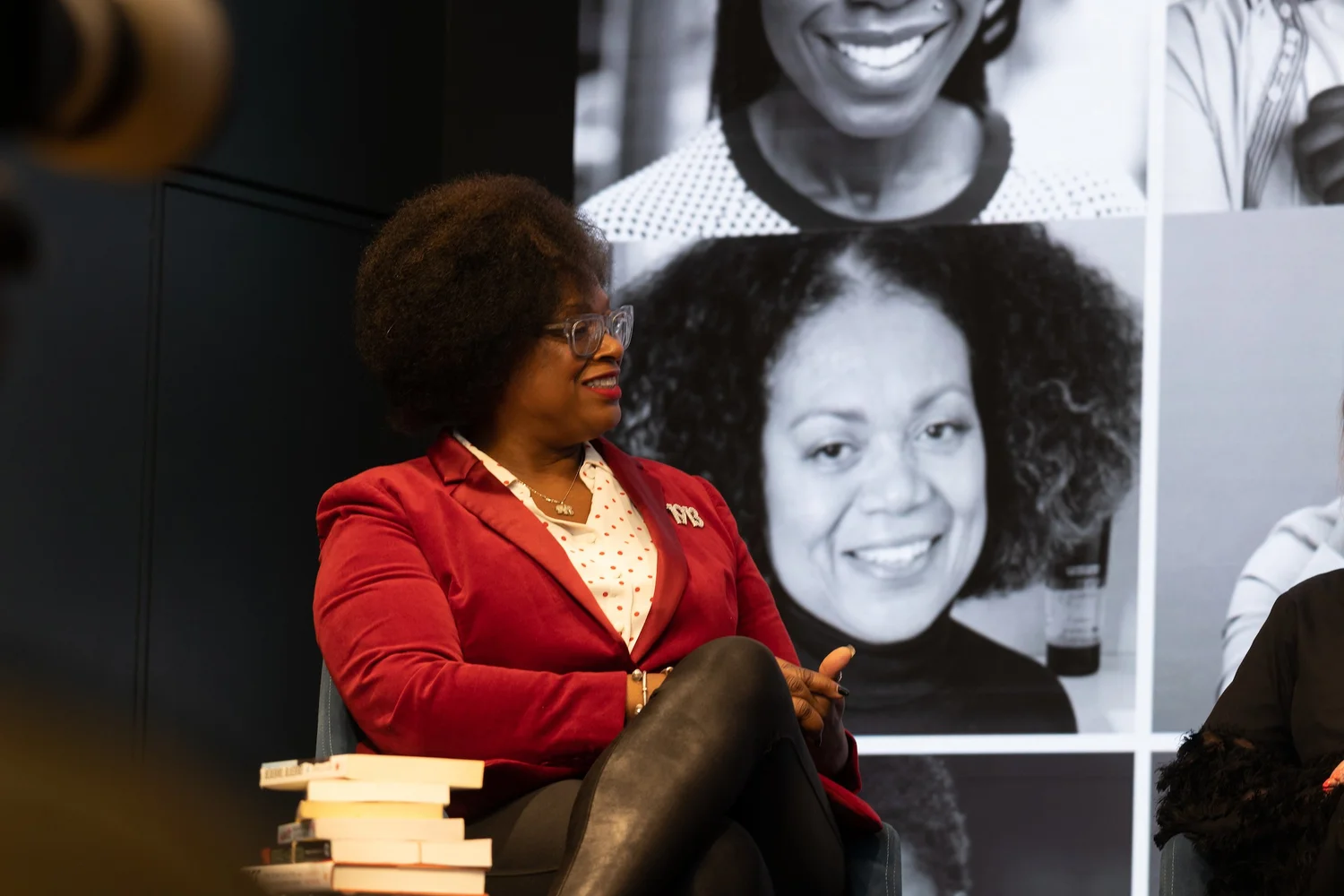
Finding wellness in advocacy starts with setting boundaries. Women need tools and strategies to protect their well-being while continuing their vital work.
Boundary Setting at Work
Setting boundaries is essential. It means knowing your limits and communicating them clearly. Women in advocacy can benefit from defining what they can and can’t do.
It’s about prioritizing well-being. Setting boundaries helps protect emotional and mental health. Encouraging open dialogues about workload and expectations can lead to healthier work environments for everyone.
Rest as Resistance
Rest is a powerful tool. It’s not just a break from work but an act of resistance against burnout. Women in advocacy must prioritize rest to maintain their energy and passion.
Taking time to recharge is crucial. It’s a statement that well-being matters. By valuing rest, women can sustain their activism and continue to make impactful contributions.
Community Care Strategies ✊🏽
Community care is about supporting each other. It means creating networks where women uplift and support one another. These strategies can include peer support groups or shared resources.
When women come together, they create powerful support systems. Community care emphasizes collective well-being, ensuring that no one is left to carry the burden alone. It’s about building resilience through connection and shared experiences.
Frequently Asked Questions
What is emotional labor?
Emotional labor involves managing emotions, both your own and others’, in the workplace. It includes tasks like conflict resolution, emotional support, and creating a positive environment. Though often unseen, it’s crucial to workplace dynamics.
Why does emotional labor fall harder on women?
Women are often expected to be natural caregivers, which translates into extra emotional responsibilities in the workplace. These expectations are rooted in societal norms and can lead to burnout.
How can women set boundaries in advocacy roles?
Setting boundaries involves clear communication about workload limits and emotional capacity. It’s important to prioritize self-care and advocate for equitable work environments.
What is rest as resistance?
Rest as resistance is the idea that taking time to rest is an act of rebellion against burnout. It emphasizes the importance of self-care in sustaining advocacy work.
How can community care support women in advocacy?
Community care involves creating supportive networks where women can share resources and uplift each other. It focuses on collective well-being and building resilience through connection.



Leave a Reply