Respectability politics tries to shape how you speak, act, and even dress to fit someone else’s idea of “acceptable.” It sneaks into everyday conversations as tone policing, microaggressions, or subtle calls to code-switch. You deserve tools to spot these traps, respond with empathy, and push for real equity. Let’s break down how to challenge respectability politics and keep your voice authentic in every chat. For more insights, check out Brooklyn Savvy.
Spotting Respectability Politics
Let’s dive into how respectability politics shows up. It’s often subtle, but understanding it can change how you engage in conversations.
Recognizing Microaggressions and Tone Policing
Microaggressions are those small, everyday comments or actions that might seem harmless but actually reinforce stereotypes. They often dismiss or undermine your identity. Tone policing is when someone criticizes how you say something instead of what you say. It can make you feel you must speak softly or politely to be heard.
Imagine you’re sharing a passionate opinion at work and someone says, “Calm down, you’re too emotional.” That’s tone policing. It shifts the focus from the issue to your emotions. Recognizing these tactics is the first step in standing up against them. Think of it as building a radar for unfair comments.
Understanding Code-Switching in Conversations
Code-switching involves changing how you speak or act to fit in with a certain group. This often means adopting a more “acceptable” way of communicating. While it can be a valuable skill, it can also put pressure on you to hide who you truly are.
For instance, using formal language at work instead of your natural style. It’s like wearing a mask that doesn’t fully represent you. Understanding when and why you code-switch can help you choose authenticity.
Responding with Empathy and Confidence

Knowing how to spot these issues empowers you. Now, let’s explore how to respond in ways that build bridges rather than barriers.
Call In vs Cancel Culture
“Calling in” means addressing issues calmly and privately. It’s about growth and understanding. On the other hand, “cancel culture” often involves public shaming without room for dialogue. Both have their place, but calling in can foster learning.
Next time someone uses a stereotype, consider pulling them aside for a chat. Explain why their words matter. This approach encourages reflection and change. Most people are open to learning when approached with kindness.
Conversation Starters for Social Justice Dialogue
Starting a conversation about social justice can feel daunting. Here are some tips: ask open-ended questions, listen actively, and share your experiences. Questions like, “How do you feel about representation in media?” get the dialogue going.
Remember, your voice matters. Sharing your perspective can inspire others to think differently and act. Your story is powerful.
Driving Dialogue Toward Equity

Building equitable conversations is key to social change. Here’s how you can lead these discussions.
Women-Led Media and Authentic Voices
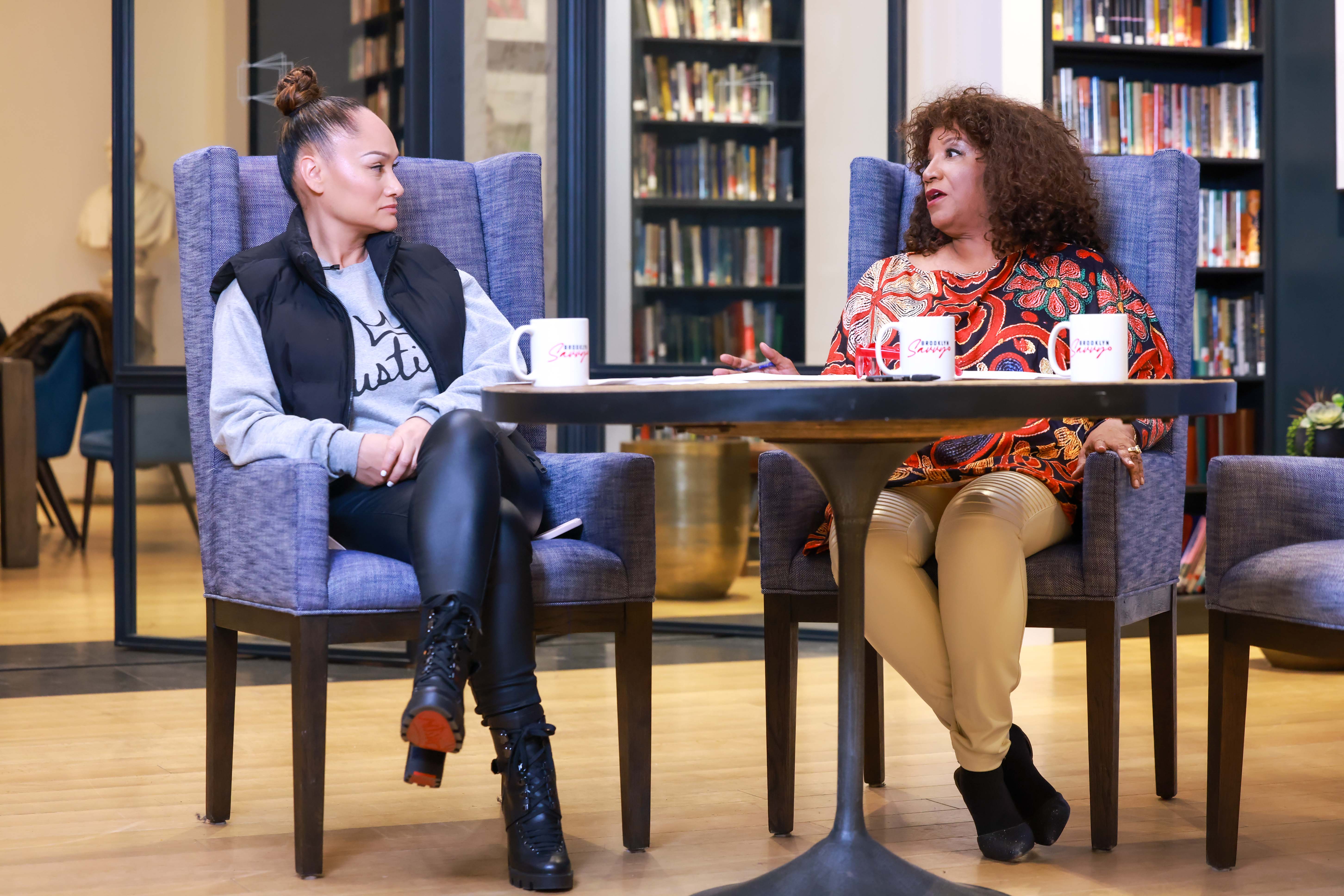
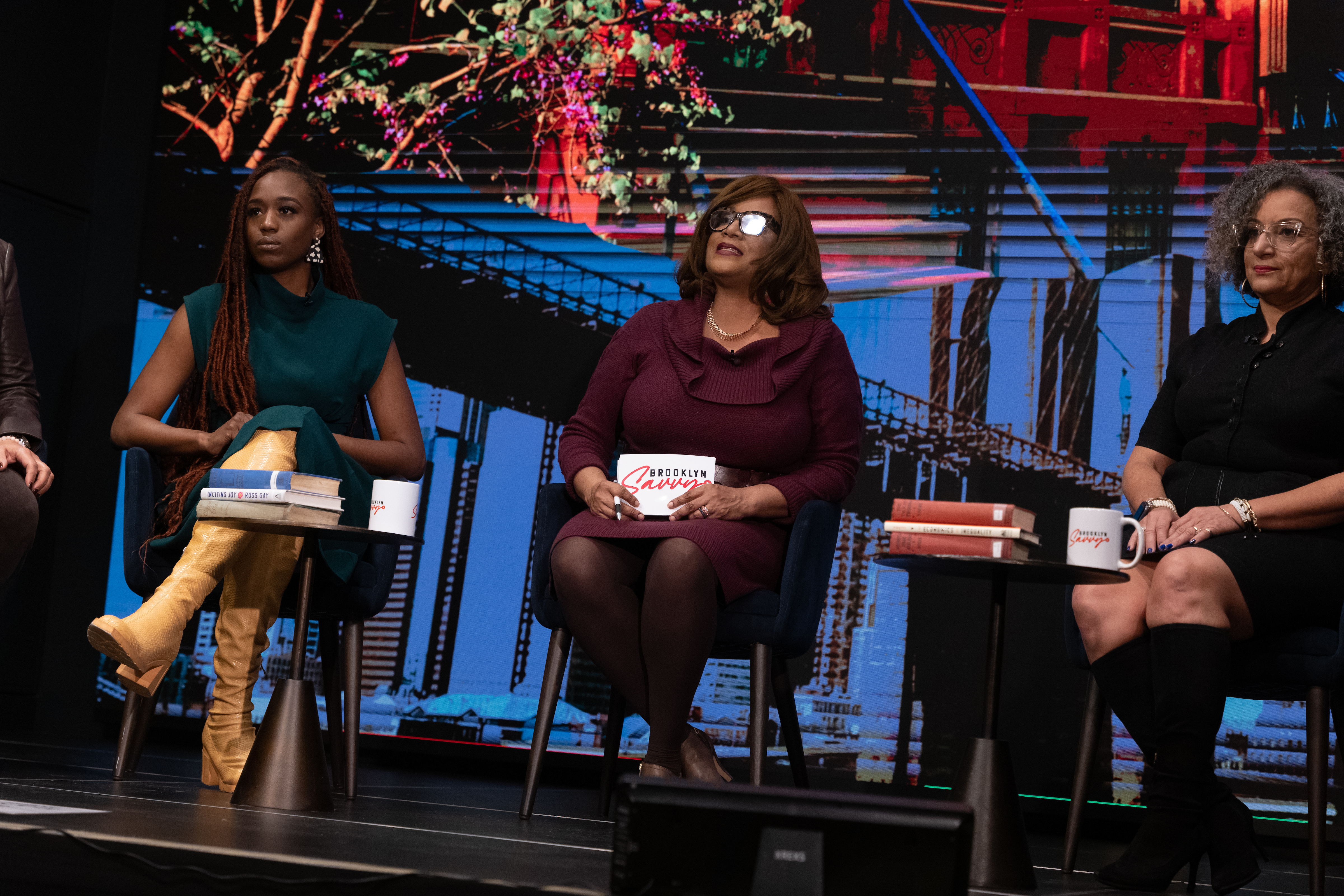
Women-led media outlets like Brooklyn Savvy highlight diverse, authentic voices. They challenge norms and provide platforms for underrepresented stories. Supporting such platforms helps amplify voices that often go unheard.
Whether it’s watching a show or sharing a post, your engagement matters. It signals that there’s a demand for diverse perspectives.
Intersectionality and Community Empowerment 🌟
Intersectionality acknowledges that different forms of discrimination overlap. It’s crucial for community empowerment. Imagine a space where race, gender, and other identities are respected and celebrated. This is the goal.
Supporting intersectional initiatives can drive real change. Engage with local groups or discussions that prioritize varied experiences. Together, we can create communities that uplift everyone.
Frequently Asked Questions
What are respectability politics?
Respectability politics refer to attempts to conform to mainstream standards to gain acceptance. It’s about fitting into someone else’s idea of “acceptable.”
How can I recognize microaggressions?
Microaggressions are subtle, often unintentional, comments or actions that reinforce stereotypes. They can be as simple as assuming someone’s competence based on their race or gender.
What is the difference between calling in and cancel culture?
Calling in involves addressing issues privately for growth, while cancel culture often involves public criticism without dialogue. Both aim to hold people accountable, but calling in encourages understanding.
Exploring these topics empowers you to challenge respectability politics and make your voice heard. Your conversations can drive change.
Leave a Reply