Most people think safer dialogue means softening every truth. That’s where the real harm hides—silencing voices instead of holding space. You’ll learn how to speak boldly without breaking trust, using tools that Toni Williams and Brooklyn Savvy champions every day. Ready to build brave spaces that keep it real and safe? [https://www.nationalcivicleague.org/ncr-article/community-led-efforts-to-create-safe-communities-diversity-dialogues-and-directions-for-moving-forward/]
Building Brave Spaces
Redefining Safe vs Brave Spaces
When it comes to dialogue, many confuse safety with softness. Safe spaces often focus on comfort, but brave spaces prioritize honest expression. In these environments, you can share your truth without fear. This distinction allows real conversations to happen, where everyone feels heard and respected. Brave spaces vs safe spaces means creating an environment that promotes openness and vulnerability, rather than simply avoiding conflict.
Brave spaces encourage participants to take risks with their words, to express themselves authentically, and to address challenging topics head-on. In these spaces, the focus shifts from avoiding discomfort to fostering genuine understanding. It’s about trusting each participant to engage honestly and respectfully. By doing this, we create dialogues that are not only safer but also more meaningful. This approach can transform conversations, making them more impactful and rewarding for all involved.
Promoting Psychological Safety
Psychological safety is key to any brave space. When you feel safe to express your views, discussions flourish. This kind of safety means being free from judgment or repercussions for speaking your truth. It’s about creating an atmosphere where everyone can contribute without fear.
In a world where psychological safety often feels elusive, it becomes essential to build trust among participants. This trust is the foundation of any productive conversation, where each voice matters. Encouraging open dialogue, where questions are welcomed and differences are respected, is vital. By fostering this environment, you invite diverse perspectives, enriching the conversation.
Crafting Community Agreements
Community agreements lay the groundwork for brave spaces. These are shared rules everyone agrees on to ensure respectful dialogue. They help in managing expectations and setting boundaries, so all voices can be heard without judgment.
Creating these agreements as a group ensures that everyone has a stake in the conversation. Community agreements can include respecting speaking time, avoiding interruptions, and maintaining confidentiality. It’s about setting guidelines that honor each participant’s contributions and creating a dialogue rooted in mutual respect. These agreements not only protect participants but also empower them to speak their truths openly.
Tools for Safer Dialogue

Trauma-Informed Facilitation Techniques
Trauma-informed techniques are crucial for sensitive dialogues. They ensure that conversations are handled with care, acknowledging past traumas participants may carry. By using these techniques, you create a safe environment where healing can begin.
Start by recognizing that trauma affects how people communicate. Facilitators should approach discussions with empathy and understanding. Techniques such as grounding exercises or allowing for breaks can help maintain a supportive atmosphere. Trauma-informed facilitation involves being present and patient, creating space for emotions, and validating participants’ feelings. This approach fosters trust and safety, ensuring everyone feels comfortable sharing their experiences.
Nonviolent Communication Essentials
Nonviolent communication promotes understanding over conflict. It focuses on expressing needs and feelings without blame. By using these techniques, you engage in more productive and empathetic dialogues.
Start by identifying your own emotions and needs before addressing someone else’s. This self-awareness helps in articulating your thoughts clearly. Use “I” statements to express feelings and avoid placing blame. Listen actively to understand others’ perspectives. By practicing nonviolent communication, you create a respectful exchange, where each party feels valued. This technique transforms potential conflicts into opportunities for connection and understanding.
Equity-Centered Communication Practices
Equity-centered communication ensures fair representation in dialogue. It prioritizes marginalized voices, making sure every participant is heard. By focusing on equity, conversations become more inclusive and balanced.
Start by acknowledging power dynamics within the group. Ensure that all voices, especially those from underrepresented backgrounds, are amplified. Encourage participants to share their experiences and perspectives openly. Equity-centered communication involves active listening and creating an environment where everyone feels they belong. By prioritizing equity, you foster a richer, more diverse conversation, bringing forth a tapestry of insights and solutions.
Fostering Inclusive Conversations

Call-In Culture and Restorative Justice
Call-in culture replaces public shaming with private, constructive dialogue. It focuses on growth rather than punishment, aligning with restorative justice dialogue principles. By adopting this culture, you encourage learning and understanding rather than alienation.
When someone makes a mistake, approach them with compassion. Engage them in a conversation that seeks to understand their perspective and offer guidance. Restorative justice focuses on repairing harm and restoring relationships. This approach fosters a community where accountability and empathy coexist. By embracing call-in culture, you create an environment that supports growth and transformation.
Navigating Social Justice Conversations
Social justice topics can be tough to tackle, but they’re crucial for progress. Navigating these conversations requires sensitivity and awareness. By understanding the nuances of these topics, you foster more informed and impactful dialogues.
Start by educating yourself on the issues at hand. Be open to learning and unlearning. Engage with diverse voices and perspectives to broaden your understanding. Social justice conversations are about challenging assumptions and advocating for change. By approaching these discussions with an open mind, you contribute to a more equitable society where all voices are valued.
Women-Led Media and Urban Community Engagement
Women-led media plays a pivotal role in shaping urban community conversations. It amplifies women’s voices, ensuring their perspectives are front and center. By engaging with these platforms, you support diverse narratives that drive social change.
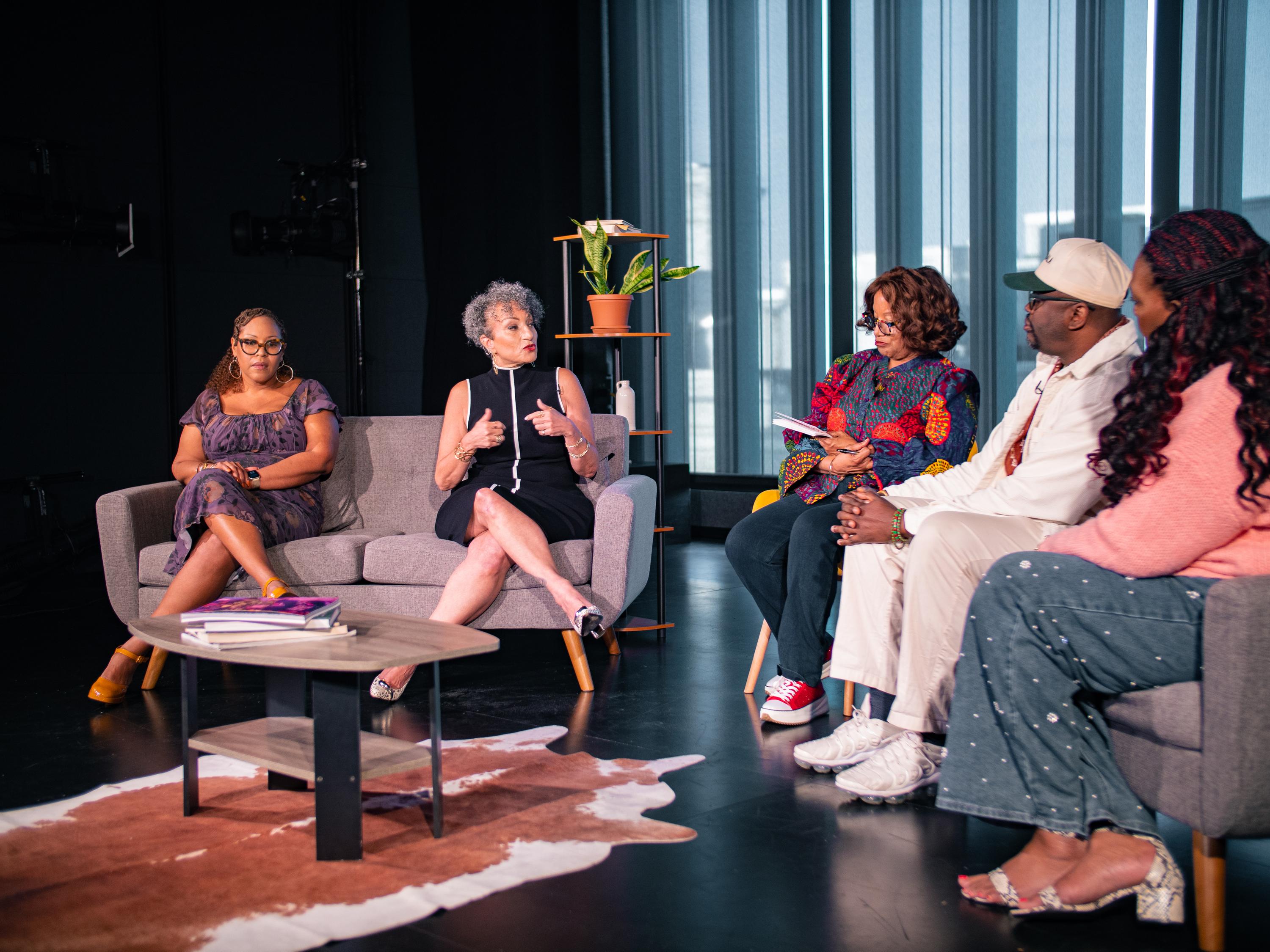
Women-led media like Brooklyn Savvy empowers urban communities by addressing social justice issues from a woman’s perspective. These platforms provide a space for dialogue and education, fostering community engagement. By participating in these discussions, you contribute to a more inclusive media landscape that celebrates diversity and champions change.
Frequently Asked Questions
What is the difference between safe spaces and brave spaces?
Safe spaces focus on comfort and avoiding conflict, whereas brave spaces prioritize honest expression and open dialogue. Brave spaces encourage participants to engage in meaningful conversations without fear of judgment or repercussions.
How can I promote psychological safety in a group discussion?
Promote psychological safety by creating an environment where everyone feels free to express their views without fear of judgment. Encourage open dialogue, listen actively, and respect diverse perspectives to foster trust among participants.
What are community agreements and why are they important?
Community agreements are shared rules that ensure respectful dialogue and set boundaries for conversations. They help manage expectations and protect participants, empowering them to speak their truths openly and honestly.


Leave a Reply