Performative inclusion sneaks in like a smooth talker—promising change but delivering emptiness. You’ve seen it in meetings, campaigns, and headlines that shout diversity but whisper tokenism. It’s time to spot the red flags before “performative inclusion” becomes the everyday excuse for ignoring real equity. In this post, you’ll get a sharp checklist and real examples to call out the fakes and push for authentic inclusion that holds leaders accountable.
Spotting Performative Inclusion
In today’s fast-paced world, spotting inauthentic efforts in inclusion is crucial. Let’s uncover the signs and where they often appear.
Red Flags in Workplaces
First off, look at who gets invited to the table. Does it seem like the same two diverse faces appear in every meeting? That’s a sign. Watch how conversations unfold. Does the dialogue celebrate different perspectives, or are they just checking a box? Real inclusion involves bringing more voices into decision-making roles, not just showcasing them. Be wary of flashy diversity statements with little action behind them. True change reflects in company culture, not just on the website. It’s important to ask if diverse employees feel heard and valued or sidelined. If promotions rarely happen for them, there’s your red flag.
Media’s Role in Diversity Washing
Media plays a powerful role in shaping perceptions. But not all that glitters is gold. Diversity washing occurs when media outlets show diverse faces without real representation behind the scenes. Are there diverse voices shaping the stories, or are they just the faces on the screen? Look at who tells the stories, not just the cast. Media should amplify diverse voices authentically. Pay attention to the narratives. Are they complex and nuanced, or do they rely on stereotypes? Real diversity means showing the full spectrum of experiences, not just a surface-level glance. When you spot stories that feel one-dimensional, question the intent and the storytellers.
Community Space Challenges
Community spaces should be the heart of inclusion, but sometimes, they’re not. Have you ever walked into a community event and felt like an outsider? That’s a problem. Genuine inclusion means everyone feels welcome. Are events accessible to all, or do they cater only to a select group? True community spaces encourage participation from all walks of life. Check the leadership. Are diverse community members in decision-making roles? If not, it’s time to push for change. Authentic inclusion thrives when diverse voices are heard, valued, and empowered to lead.
Evaluating Authentic Inclusion

After spotting the red flags, how can you evaluate if inclusion efforts are real? Let’s dig into the essentials.
Checklist for Real DEI Accountability
Here’s your guide to measuring true inclusion efforts. First, look at leadership. Diverse leaders should be making decisions, not just sitting on panels. Next, check the policies. Are there clear, actionable steps for diversity, equity, and inclusion (DEI)? Real change requires specific goals and measures. Also, examine the hiring process. Are diverse candidates given equal opportunities, or are biases creeping in? True DEI accountability means fair and open recruitment. Lastly, consider the environment. Is there a culture of respect and support for all employees? If not, steps need to be taken to create one. Use this checklist to hold organizations accountable.
Real-World Examples of True Equity
Let’s spotlight examples where equity shines. Look at companies where diverse teams lead to creative breakthroughs. Innovation thrives in spaces where different perspectives collide. For instance, some tech companies attribute success to diverse teams driving product development. In education, schools that embrace diverse curricula see higher engagement and performance. Real equity means all voices are heard and contribute to success. These examples show how genuine inclusion not only benefits the individuals but also boosts overall outcomes.
Intersectionality: Women’s Voices Matter
Women’s voices add depth to the inclusion conversation. Intersectionality highlights how race, gender, and other identities intersect, shaping unique experiences. Acknowledge that women, especially women of color, face distinct challenges. Their insights are crucial in shaping policies that truly reflect diverse needs. Empowering women’s voices means listening, learning, and implementing their suggestions. It’s not just about representation, but also about influence. When women’s voices matter, everyone benefits from a richer, more comprehensive dialogue.
Taking Action Against Tokenism

Now that you know what to look for, it’s time to act. Here’s how you push back against tokenism effectively.
Push for Policy and Budget Changes
True inclusion requires concrete changes in policy and budget. Start by advocating for policies that promote fair representation at all levels. Ensure budget allocations support diversity initiatives, not just as a checkbox but with real intent. It’s about creating pathways for growth and opportunity. Challenge organizations to put their money where their mouth is. When budgets reflect diverse priorities, progress follows. This push leads to systemic change, paving the way for lasting impact.
Urban Community Dialogue and Leadership
Urban communities are rich in diversity, making them perfect for fostering inclusive dialogue. Encourage open conversations where everyone has a voice. Highlight the importance of diverse leaders in driving these discussions. They bring insights that resonate with community members. By elevating local voices, communities can work together towards equitable solutions. This collaboration strengthens bonds and empowers individuals to lead change.
Brooklyn Savvy: Anti-Racism in Practice
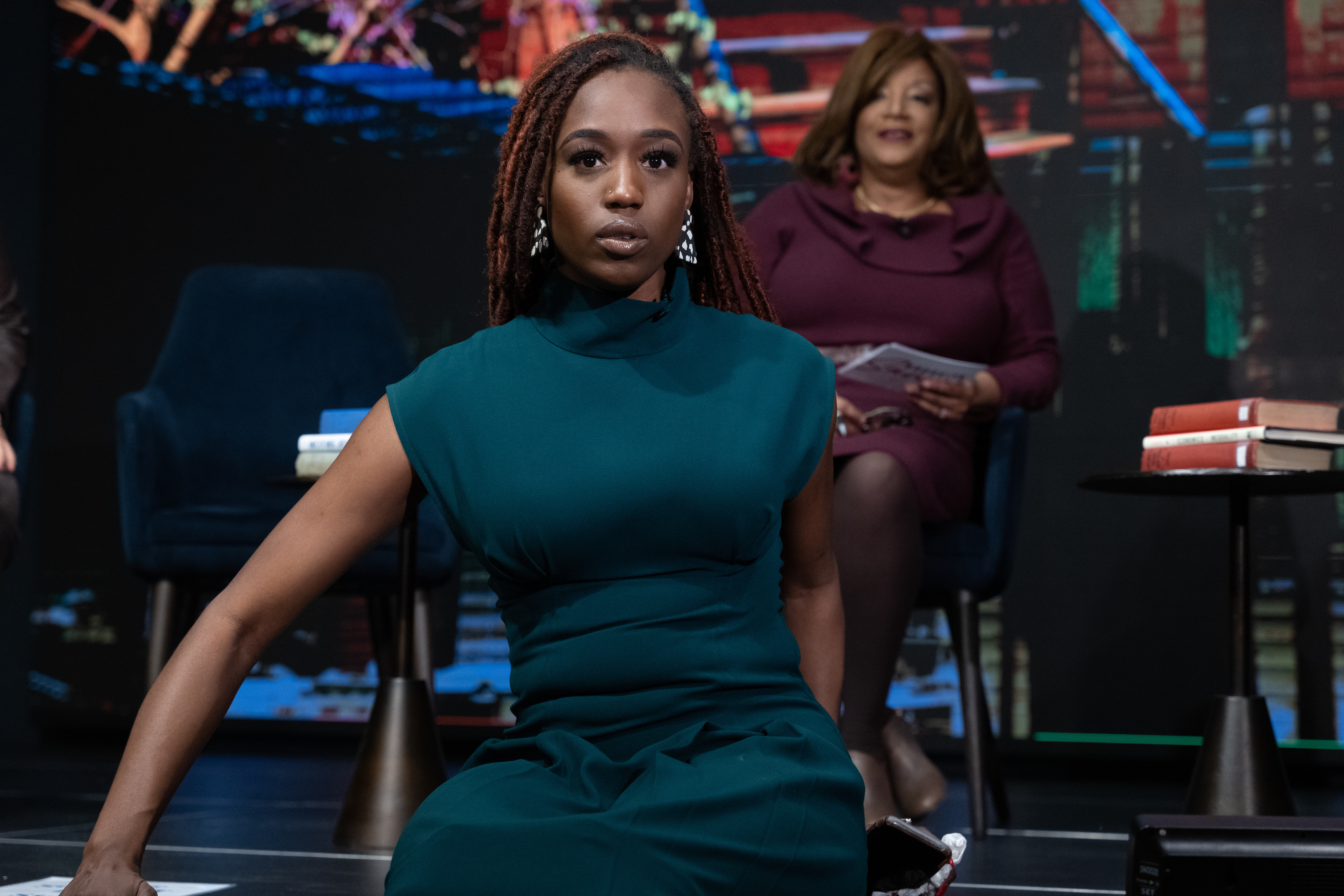
Brooklyn Savvy stands as a beacon of inclusive dialogue. The show focuses on real conversations about social justice, led by diverse women. It brings forward the voices often overlooked. Through its programming, Brooklyn Savvy challenges stereotypes and promotes anti-racism. By engaging viewers in meaningful discussions, it sparks change and awareness. The show’s commitment to social justice showcases how media can play a pivotal role in creating a more inclusive society.
Frequently Asked Questions
What is performative inclusion?
Performative inclusion refers to superficial efforts to appear inclusive without real commitment or change. It’s often seen in token gestures rather than genuine actions.
How can I spot tokenism in the workplace?
Look for patterns where only a few diverse faces are showcased while decision-making remains homogeneous. Observe if diversity statements align with actual practices and outcomes.
Why is intersectionality important in inclusion efforts?
Intersectionality acknowledges that people experience discrimination in varied ways due to overlapping identities. It ensures that solutions address the unique needs of all individuals involved.
How can media avoid diversity washing?
Media can avoid diversity washing by ensuring diverse voices are involved in storytelling and decision-making processes, not just represented on screen.
What steps can be taken to promote real DEI accountability?
Promote DEI accountability by advocating for clear policies, fair recruitment practices, and creating a culture that supports and respects diversity at all levels.

Leave a Reply