Language isn’t just words—it’s power. In social justice spaces, who gets believed often depends on how they speak. Linguistic bias creates a credibility gap that sidelines voices, especially those of Black and Latina women. We’ll break down tone policing, code-switching, and respectability politics so you can spot bias and challenge it head-on. Ready to shift the conversation? Let’s get into how language shapes what we trust.
Unpacking Linguistic Bias
Linguistic bias isn’t just harmful, it decides who gets heard. Let’s explore how different forms of communication affect credibility and trust.
Tone Policing and Its Impact
When someone is told to calm down or change their tone, it often shifts the focus from their message to their delivery. Tone policing can silence important voices, especially in heated discussions about social justice. It targets emotions, suggesting that passion undermines validity. This policing often impacts women of color, who are expected to conform to “acceptable” speech norms. The main takeaway: tone policing can mute important perspectives, diminishing the impact of their words. Instead of judging how something is said, it’s vital to listen to what is being said. This shift can empower voices that need to be heard.
Code-Switching: More Than Just Words
Switching between dialects or languages, known as code-switching, isn’t merely about words. It’s about survival and acceptance in spaces where one’s natural speech may not be valued. For many, it’s a daily balancing act between authenticity and fitting in. This practice often affects Black and Latina women, who may switch to be taken seriously in professional settings. Although it can open doors, it also highlights systemic biases in language expectations. Real change means creating environments where diverse speech is welcomed, not just tolerated, allowing for genuine expression without fear of judgment.
Respectability Politics and Credibility
Respectability politics involve conforming to mainstream standards to gain respect. This often pressures marginalized groups to alter their behavior to be accepted. For Black and Latina women, it could mean dressing or speaking a certain way to be seen as credible. While it might offer short-term acceptance, it can perpetuate existing biases. True equity means judging ideas on their merits, not on whether they align with traditional norms. Breaking free from these pressures allows for authentic engagement and challenges the status quo in social justice spaces.
Tools for Checking Our Biases

Acknowledging bias is the first step toward change. Here are tools to help us recognize and address our own biases.
Self-Checklist: Listening with Empathy
Empathy begins with listening. When someone speaks, focus on their message rather than their tone or delivery. Ask yourself: Are you valuing their words for their content, or are you distracted by how they say them? This checklist can guide you to listen with understanding, not judgment. By doing so, you’re more likely to grasp the true intent behind the words, fostering genuine dialogue and connection.
Calling-In vs. Calling-Out Scripts
When bias occurs, deciding whether to call-in or call-out can be powerful. Calling-in involves addressing the issue privately, allowing for personal growth without public shame. Calling-out, on the other hand, is more public and can be necessary when the bias is harmful and needs immediate attention. Scripts can help you navigate these situations effectively. By choosing the right approach, you can encourage learning and prevent future bias, creating a more inclusive environment.
Resources for Educators
Educators have a unique role in shaping inclusive narratives. Access to the right resources can help them teach about linguistic bias and its effects. Books, workshops, and online courses can provide valuable insights and strategies. These resources empower educators to foster environments where all voices are valued equally, breaking down biases and promoting equity in discourse.
Join the Brooklyn Savvy Conversation

Engage with us for more insights and discussions that matter. Discover how you can be part of the change.
Watch, Subscribe, and Engage
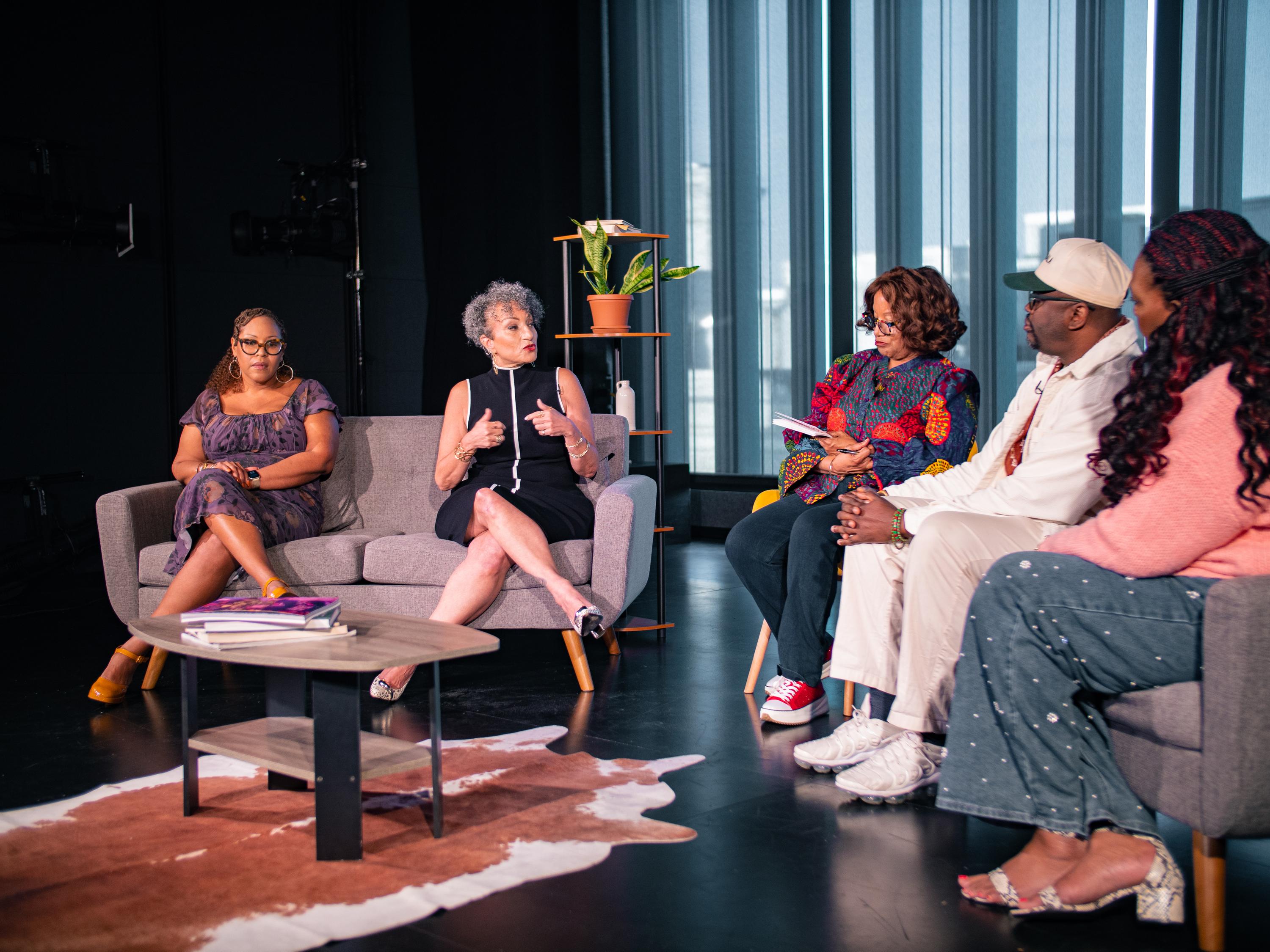
Don’t miss out on the latest discussions from Brooklyn Savvy. Our episodes dive deep into topics of social justice from women’s perspectives. By subscribing, you stay informed and connected to a community dedicated to making a difference. Engage with us and explore how language and bias shape our world.
Share Your Story and Support
Your voice matters. Sharing your experiences can inspire others and contribute to a broader understanding of linguistic bias. Support our mission by participating in our community and engaging in conversations that drive change. Together, we can amplify voices that need to be heard.
Explore Our Justice-Forward Merch
Show your support with our justice-forward merchandise. Each piece reflects our commitment to social justice and amplifies the message of equity. By purchasing, you’re not just wearing a statement; you’re joining a movement. Explore our collection and find something that resonates with your values.
Frequently Asked Questions
What is linguistic bias?
Linguistic bias refers to the discrimination based on how someone speaks. It often affects credibility and can silence marginalized voices.
How does tone policing affect discussions?
Tone policing shifts focus from the message to the delivery, often silencing passionate speakers, especially women of color.
What is code-switching, and why is it important?
Code-switching is the practice of changing one’s language or dialect to fit in. It’s crucial for survival in spaces that undervalue certain speech patterns.
Why are respectability politics problematic?
Respectability politics force marginalized groups to conform to mainstream standards, which can perpetuate biases instead of challenging them.
How can individuals address their own biases?
Using empathy checklists, understanding when to call-in or call-out, and accessing educational resources can help individuals recognize and address their biases.

Leave a Reply