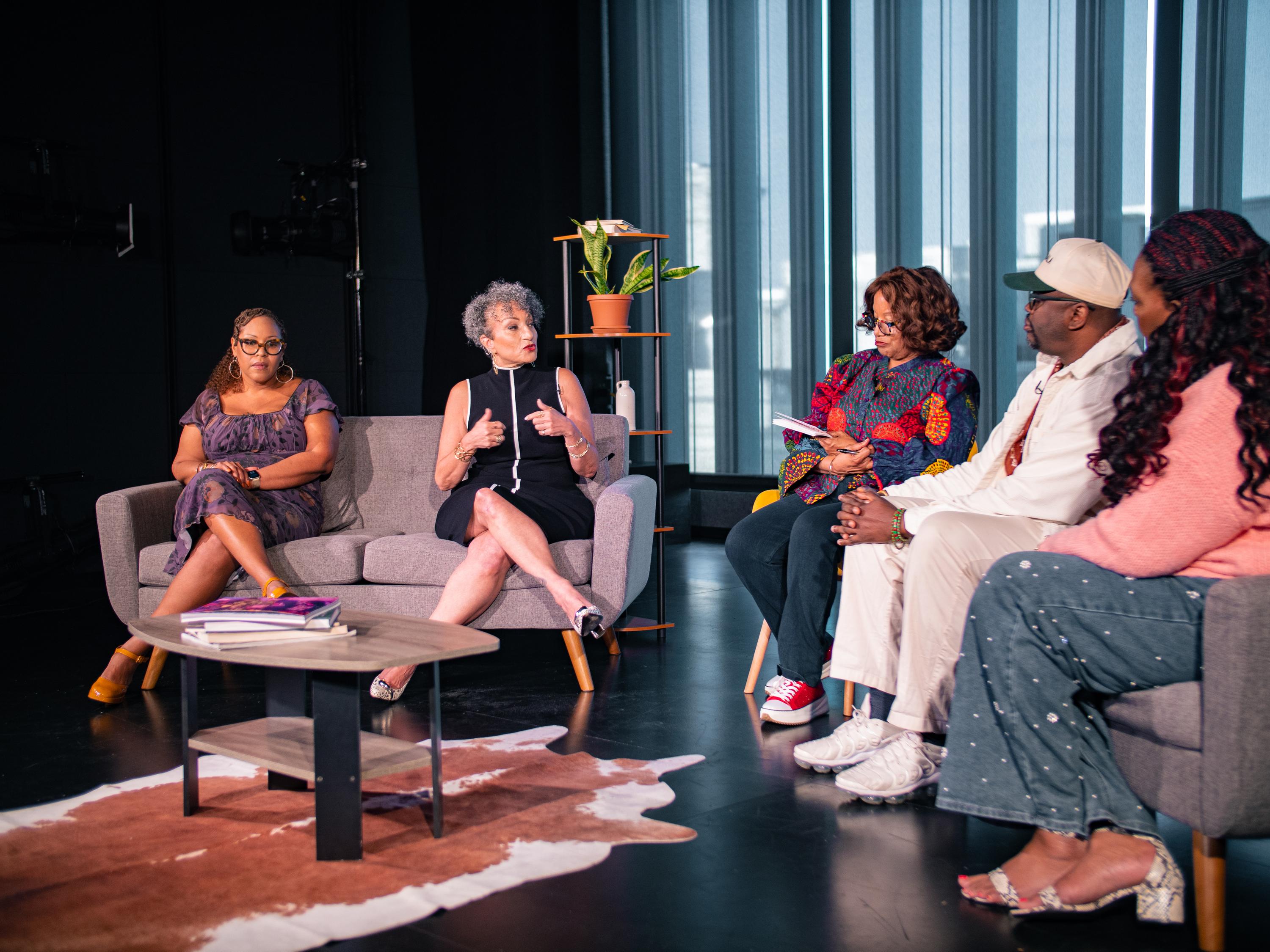
Performative allyship is not just annoying—it’s a roadblock to real change in your workplace, classroom, and online spaces. You see the hashtags and hear the words, but actions don’t follow through. It’s time to spot the difference between performative allyship and authentic allyship, so you can call it out and push for what truly moves urban communities forward. Keep reading for a clear allyship checklist and real talk from Toni Williams and Brooklyn Savvy’s panelistas.
Spotting Performative Allyship

Recognizing fake support is hard, but crucial. By understanding these signs, you’re better equipped to make real changes.
Recognizing Empty Gestures
You might see companies or people post about social issues online. But are they actually doing anything meaningful? Many times, these are just empty gestures. They post to look good, not to make a difference. It’s like putting a bandage on a bigger wound. Real change requires more than just words; it needs action and commitment.
Identifying Microaggressions and Bystander Inaction
Microaggressions are those everyday comments or actions that, intentionally or not, disrespect others. They can be subtle, like a backhanded compliment. What about when bystanders do nothing? This inaction speaks volumes. It shows a lack of true support. Standing by silently is as harmful as the act itself. True allies call out these behaviors and support those affected.
Decoding Saviorism vs. Solidarity
There’s a big difference between playing the hero and standing in solidarity. Saviorism is when someone “helps” to feel good about themselves. It’s about their own ego. Solidarity, however, is about working together for a common cause. It’s about lifting others, not yourself. When you stand in solidarity, you’re part of the solution, not just an observer.
Encouraging Authentic Allyship

To move toward genuine support, you need tools that promote real allyship. Here’s how you can make a difference.
Practical Allyship Checklist
Start with simple actions: listen, learn, and support. Listening means really hearing what marginalized voices are saying. Learning requires educating yourself about their struggles. Support is about stepping up, not stepping back. You don’t have to be perfect, just committed to doing better each day.
Understanding DEI Accountability
Diversity, equity, and inclusion (DEI) are more than buzzwords. They are commitments. Accountability means holding yourself and others responsible for actions. Ask questions: Are there diverse voices at the table? Are their perspectives valued? If not, why? Real commitment means actively working toward an inclusive environment.
Embracing Inclusive Leadership
Leaders set the tone. Inclusive leadership means creating spaces where everyone feels valued. It’s about listening to all voices and acting on what you hear. Leaders who embrace this approach foster environments where everyone can thrive. It’s about more than just ticking boxes; it’s about real change.
Fostering Dialogue and Action

Real change happens when you encourage open dialogue and take action. Here’s how to make it happen.
Women’s Voices in Social Justice
Women have always been at the heart of social justice movements. Listening to and amplifying their voices is key. Women bring unique perspectives and strengths to these fights. By valuing these contributions, you drive meaningful change in your community.
Call-In Culture for Growth
Instead of calling people out, try calling them in. This approach focuses on growth and understanding. It’s about having open conversations that lead to change. By calling in, you create a space where people can learn and improve, fostering a more inclusive community.
Community Activism and Brooklyn Savvy Resources
Engage with your community to drive change. Use resources like Brooklyn Savvy to stay informed and connected. This platform offers tools and discussions that can help you become a better ally. Being involved and informed is crucial for making a lasting impact.
Frequently Asked Questions
What is performative allyship?
Performative allyship is when individuals or organizations claim to support a cause publicly but do not take meaningful actions to back up their claims. It’s more about appearances than actual commitment.
How can I be a true ally?
To be a true ally, listen to marginalized voices, educate yourself on their issues, and take actionable steps to support them. Consistency and genuine commitment are key.
What are microaggressions?
Microaggressions are subtle, often unintentional comments or actions that can be offensive or harmful. They contribute to a hostile environment for marginalized groups.
Why is it important to call people in instead of out?
Calling people in encourages growth and understanding rather than shame. It creates a dialogue where individuals can learn and improve, fostering a more inclusive culture.
How can I support women’s voices in social justice?
Support women’s voices by actively listening, amplifying their contributions, and providing platforms for them to share their perspectives. Acknowledge their unique role in driving social change.


Leave a Reply