Symbolic support often looks good on social media but changes little on the ground. You’ve seen the posts, the hashtags, the empty promises that never lead to real power-sharing. This post breaks down what moves allyship from performative gestures to shared power—so your activism hits the decision-making tables, not just the feed. Keep reading to learn how Brooklyn Savvy and Toni Williams show the way from optics to outcomes in community organizing. [https://brooklynsavvytv.blog/2026/08/18/from-hashtags-to-seats-at-the-table-symbolic-support-vs-shared-power/]
From Symbolic Support to Action

Allyship needs to be more than just a buzzword. Let’s explore how performative gestures fall short and what true allyship looks like in practice.
Understanding Performative Allyship
Performative allyship is about appearances rather than actions. It looks good but rarely leads to change. We’ve all seen brands highlight social causes without investing in them. This kind of support often leaves communities without the power and resources they need. The intent may be to support, but without concrete steps, it remains shallow. Articles like this one explain how superficial gestures can be harmful.
Social media is flooded with performative gestures. They garner attention but don’t drive action. This can lead to frustration among those needing real support. Simply put, performative allyship is more about self-image than helping others.
Real Allyship: A Path to Change
Real allyship requires action and accountability. It means sharing power and listening to those who need support. True allies don’t just talk; they make room at the table. This involves understanding needs and addressing them directly.
Allyship should be about partnership and co-creation. By working together, allies can help dismantle systems of oppression. This creates genuine progress rather than temporary fixes. True allyship is about committing to the process and the people involved.
Moving from Optics to Outcomes
Shifting from optics to outcomes means focusing on impact. It requires asking tough questions: “How are we creating change?” and “Who benefits from our actions?” The goal is to move beyond appearances and make a tangible difference in people’s lives. Check out this resource on effective activism.
True outcomes involve measurable change. It’s not about the number of likes or shares but about how many lives have improved. Accountability is key. Without it, allyship remains just a word.
Shared Power in Action

To achieve shared power, we need to look at real-world examples of co-governance and community-driven initiatives.
Co-Governance and Decision-Making
Co-governance involves sharing decision-making power. It’s about actively involving those affected by decisions in the process. This fosters a sense of ownership and commitment to outcomes.
In many communities, co-governance has led to more equitable solutions. By including diverse voices, decisions reflect the needs of all members. This approach builds trust and leads to sustainable change. Visit this article for insights on shared governance.
Grassroots Leadership and Mutual Aid
Grassroots leadership and mutual aid are vital for community resilience. Grassroots movements are led by community members who understand local challenges. They build networks of support that go beyond temporary assistance.
Mutual aid is about communities helping each other. It emphasizes solidarity over charity. By pooling resources, communities can meet their needs directly. This strengthens bonds and empowers individuals to lead.
Women’s Voices and Urban Communities
Women’s voices are crucial in urban communities. They bring unique perspectives and solutions to the table. By amplifying these voices, we can address diverse needs more effectively. Women often drive significant change in their communities, tackling issues head-on.
Empowering women’s voices leads to more inclusive and impactful solutions. Their insights drive better outcomes for everyone involved. Recognizing and amplifying these voices is essential for genuine progress.
Engaging with Brooklyn Savvy

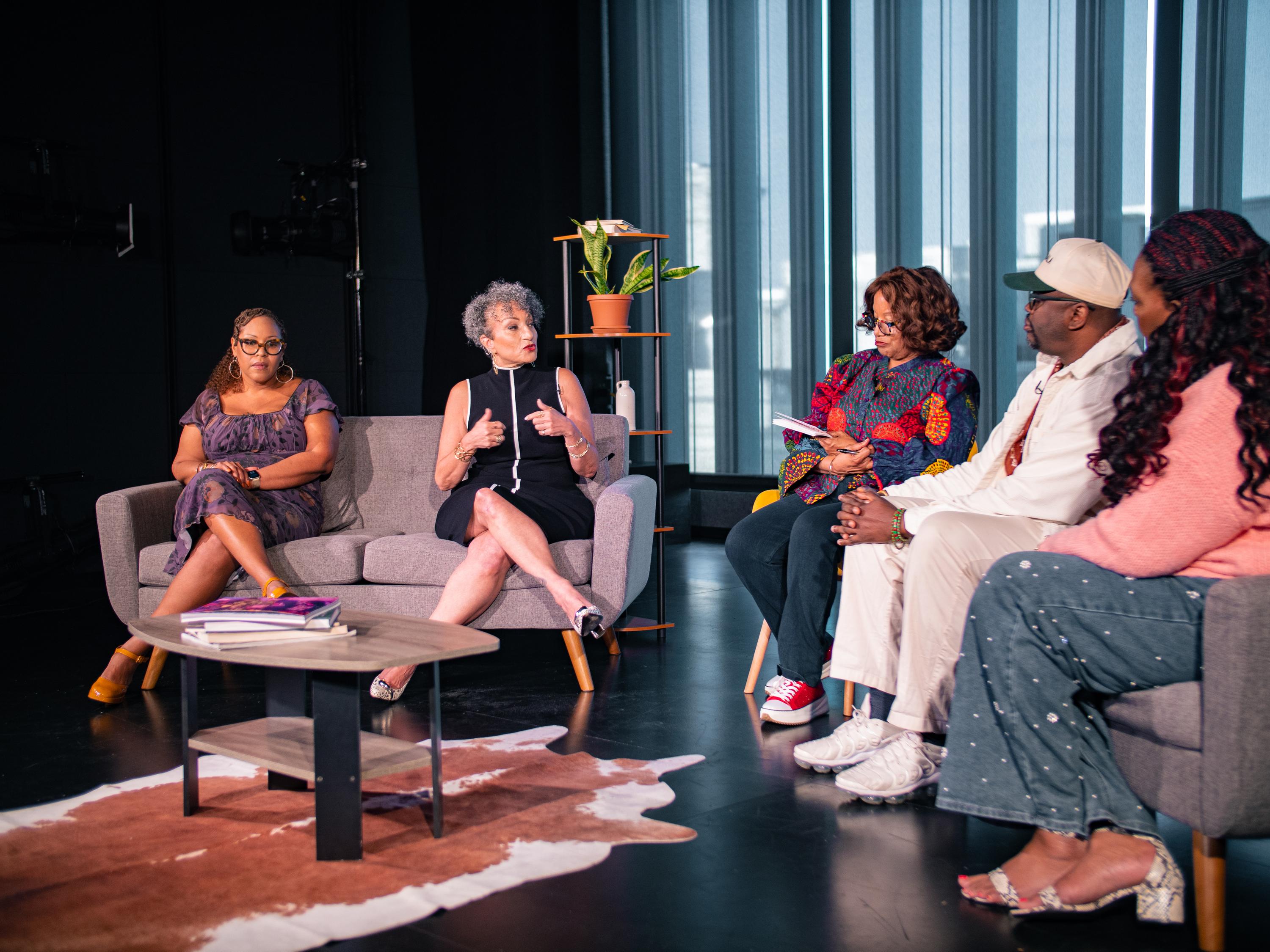
Brooklyn Savvy offers a platform for engaging with social justice through powerful discussions and resources.
Watch and Participate in Our Episodes
Engage with Brooklyn Savvy by watching our episodes. Our discussions feature diverse leaders and tackle pressing social justice issues. Your participation enriches the dialogue and drives change.
Community Conversations and Merchandise
Join our community conversations to exchange ideas and perspectives. Our merchandise allows you to support our mission and spread awareness. It’s more than just apparel; it’s a statement of solidarity.
Join the Social Justice Movement 🚀
Be part of a movement that pushes for equity and inclusion. The longer you wait, the longer change takes. Join us in challenging the status quo and creating a better future for all.
Frequently Asked Questions
What is performative allyship?
Performative allyship refers to support that is more about appearances than genuine action. It involves gestures that don’t lead to real change or empowerment for marginalized communities.
How can I be a real ally?
Being a real ally means taking action and sharing power. It involves listening to and amplifying marginalized voices, being accountable, and working towards tangible change.
Why is co-governance important?
Co-governance ensures that those affected by decisions have a say in the process. It leads to more equitable solutions and builds trust within communities.
How does mutual aid differ from charity?
Mutual aid focuses on solidarity and community support, rather than one-sided giving. It emphasizes helping each other within the community, strengthening bonds, and empowering individuals.
Why are women’s voices crucial in social justice?
Women’s voices bring unique perspectives and solutions, especially in urban communities. Amplifying these voices leads to more inclusive and impactful change.


Leave a Reply