Everyday language isn’t just words—it’s a map that guides who belongs and who stays outside. Phrases like “boys will be boys” or calling someone “articulate” don’t just slip by; they build invisible walls that keep bias in place. In this post, you’ll get a clear look at how coded language trains us to accept exclusion, plus practical swaps and scripts to challenge it. Stick around to catch the latest Brooklyn Savvy episode and grab tools to push back every day. For further reading on language inclusion, check out this resource.
Everyday Language and Hidden Bias
Words have power, and everyday language can unknowingly harbor bias. Let’s explore the impact of common phrases on our perceptions and actions.
Common Phrases and Their Impact
Some phrases may seem harmless but carry weighty implications. Take “boys will be boys.” This implies that certain behaviors are acceptable because of gender, excusing actions that may not be right. When you hear “she’s so articulate,” it may sound like praise, but it often implies surprise that the person can speak well, rooted in racial bias. Recognizing such implications helps us see the hidden biases in our language.
Everyday words shape perceptions. If you often hear “man up,” it suggests that showing emotions is weak and only for women, reinforcing rigid gender norms. These phrases keep outdated ideas alive. Changing how we speak can lead to more inclusive and fair interactions. When we begin to notice these phrases, we’re on the path to change. Dive into more examples and their impacts in this study.
Language as a Tool for Exclusion
Language can draw lines between groups, often without us realizing. Terms like “illegal immigrant” can dehumanize, reducing a person’s identity to a status. Words like this can isolate and marginalize. Instead, using “undocumented” respects their humanity. These shifts in language are small but significant steps toward inclusivity.
Exclusionary language can also show up in workplaces or schools. If someone is told they’re “not a good fit,” it might mask deeper biases about race, gender, or background. By choosing words carefully, we can foster environments where everyone feels valued. Addressing language is a starting point for broader social change. For more insights on social exclusion, you might find this resource helpful.
Recognizing Microaggressions
Microaggressions are subtle yet harmful comments or actions. They can seem small but have lasting effects on those who experience them. A phrase like “you’re so exotic” may sound like a compliment but can make someone feel like an outsider. Understanding microaggressions is key to reducing their impact.
These small jabs often go unnoticed by those who deliver them, but they can hurt deeply. By recognizing these moments, we become more aware of how our words affect others. Awareness is the first step in addressing and preventing microaggressions. Learn more about how to identify and counteract them here.
Building a More Inclusive Vocabulary

Changing language habits isn’t easy, but it’s crucial for fostering inclusivity. Let’s look at practical swaps and scripts to use words for good.
Inclusive Language Swaps
Swapping words can make a big difference. Instead of saying “crazy,” try “unbelievable” or “wild.” It avoids ableist language and respects those with mental health issues. When you say “partner” instead of “boyfriend” or “girlfriend,” you create space for all relationship types. These small changes can make others feel seen and respected.
Language swaps might feel strange at first, but they quickly become natural. It’s about making a conscious choice to lift others up with your words. By using inclusive language, you contribute to a culture of respect and equality. Discover more ways to swap words effectively in this course.
Scripts for Speaking Up
Speaking up against bias can be challenging, but scripts can help. If someone uses a biased term, you might say, “I know you didn’t mean harm, but that word can be hurtful.” This approach is non-confrontational yet clear. It opens up dialogue without creating defensiveness.
Having a few phrases ready can empower you to address bias when it arises. You don’t have to be perfect; the goal is to start a conversation. When more people speak up, change becomes possible. By practicing these responses, you’ll become more confident in challenging bias.
Allyship Through Words
Being an ally means using your voice to support others. This can mean calling out biased language or simply choosing words that include everyone. Saying “folks” instead of “guys” when addressing a group is a small but meaningful way to practice allyship.
Words can be a tool for change. By consistently choosing inclusive language, you set an example for others. It shows that you value diversity and equity. Leading with your words can inspire others to follow. For more ideas on how to be a linguistic ally, check out resources like this one.
Engaging in Community Dialogue

Creating change requires more than just words; it involves community action. Let’s explore how to engage others in conversations about bias.
Sparking Conversations on Bias
Starting a conversation about bias can be as simple as asking a question. “Have you noticed how often we say that?” invites reflection without confrontation. Discussions like this can lead to greater understanding and change.
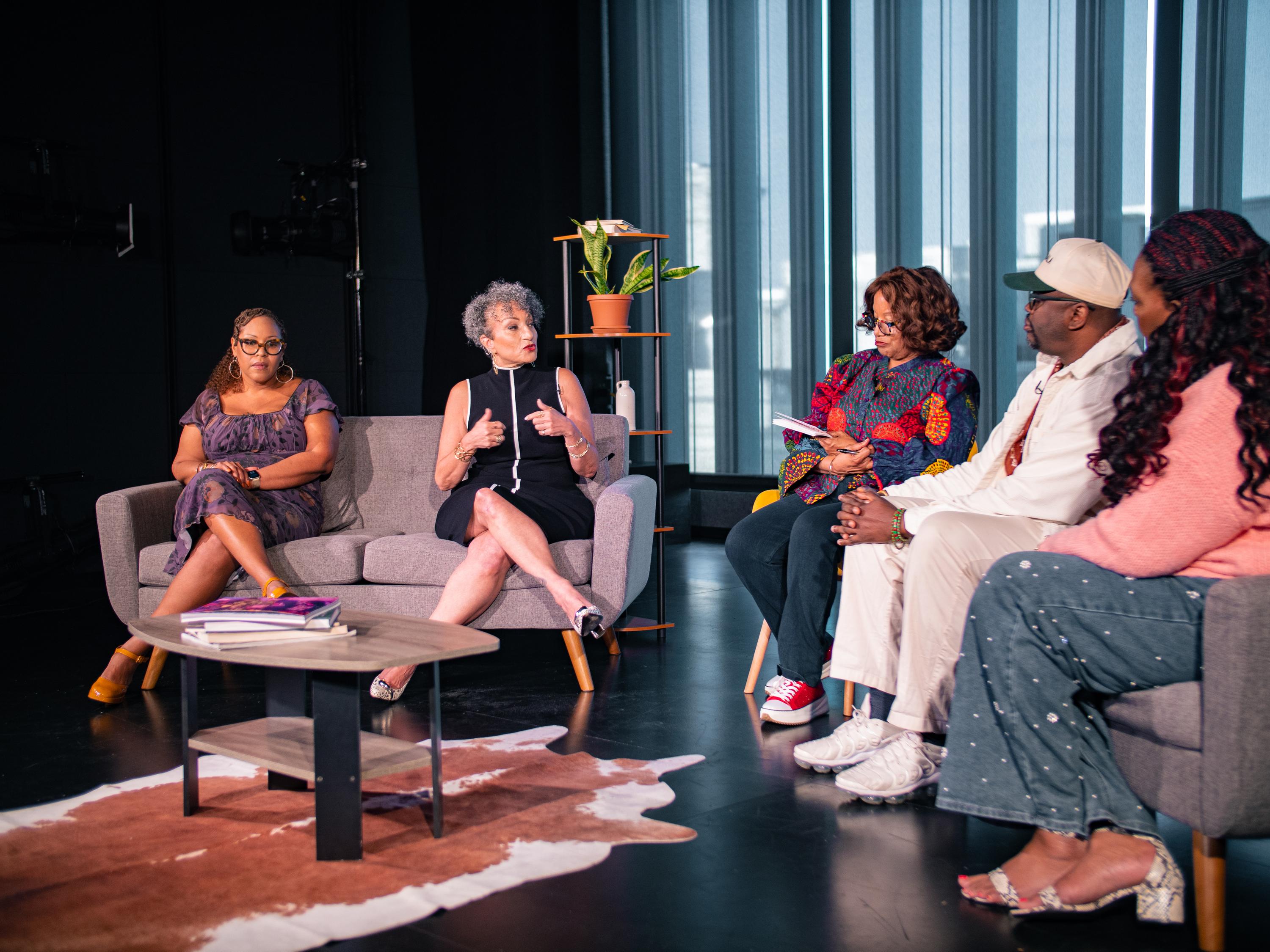
Conversations about bias can be uncomfortable, but they’re necessary. They help us see perspectives we might miss otherwise. By fostering open dialogue, you create opportunities for growth and learning. These discussions can lead to real, lasting change in your community.
Promoting Media Literacy
Understanding media is crucial in today’s world. Media literacy helps us see how language shapes perceptions. It enables us to question and challenge biased narratives we encounter.
Media literacy can be taught at any age. Encouraging critical consumption of media helps individuals make informed choices. It also empowers them to challenge biased representations and support more equitable storytelling. Find strategies to enhance media literacy and challenge biases here.
Empowering Urban Communities
Empowering communities involves giving them the tools to foster change. By hosting workshops or discussions, communities can address and dismantle bias actively. Empowering voices within urban areas can lead to more inclusive environments.
Community empowerment is about collective action. It’s about creating spaces where everyone feels they belong and are heard. By supporting initiatives that promote inclusivity, you contribute to a broader movement toward equity. Join Brooklyn Savvy in sparking these dialogues and driving change.
Frequently Asked Questions
What are common microaggressions in language?
Microaggressions can include comments like “Where are you really from?” or “You’re very articulate for someone of your background.” These imply someone doesn’t belong or is unusual because of their identity.
How can I make my language more inclusive?
Start by replacing gendered terms with neutral ones, like “folks” instead of “guys.” Avoid ableist language by swapping terms like “crazy” for “wild” or “unbelievable.”
Why is media literacy important?
Media literacy helps individuals critically analyze media content, recognize biases, and make informed decisions. It enables people to challenge stereotypes and support narratives that promote equity.
What are some ways to address bias in conversations?
Use scripts to address bias non-confrontationally, like “I know you didn’t mean harm, but that word can be hurtful,” or ask questions to spark dialogue.
How can communities foster inclusivity?
Communities can host workshops and discussions to address and dismantle biases. Empowering voices within communities leads to more inclusive environments.

Leave a Reply