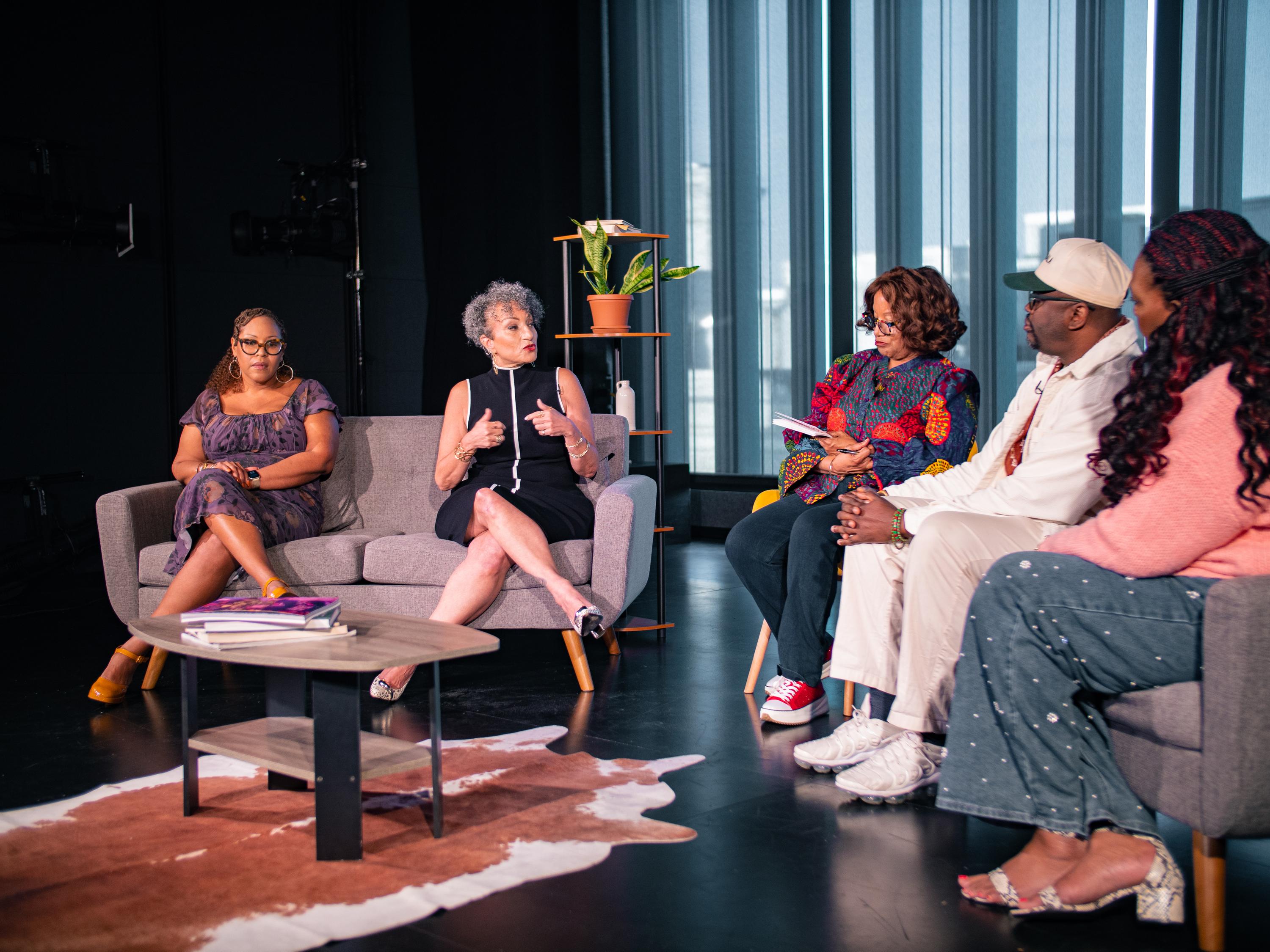
Forget the polished PR spin—that’s old news. You’re tired of hearing promises that don’t match actions, especially when real lives hang in the balance. Brooklyn Savvy’s latest episode cuts through the noise on accountability, showing why authentic leadership and trust over PR must lead the way. Stick around to see how real change starts when communities demand more than just good looks from their brands and leaders. Check out our episode here.
The Power of Accountability
Accountability is more than a buzzword; it’s a catalyst for real change. It calls for actions that speak louder than any glossy PR message. Here’s why authentic leadership is pivotal in making this shift.
Authentic Leadership Over Performative Activism
True leaders don’t just talk; they show up. They build trust by taking real actions that align with their words. Performative activism, on the other hand, is all about appearances. It lacks substance and erodes trust. When leaders take genuine steps toward change, communities begin to see their commitment. It’s about more than just saying you care. It’s showing up day in and day out, even when it’s tough.
Trust Over PR: Building Community
Trust is earned, not given. When brands focus only on polished messaging, they miss the mark. Communities want honesty and transparency. They want to know that their voices matter. This trust fosters a sense of belonging and strengthens community ties. It’s about creating a space where everyone feels heard and valued, not just during a PR crisis but all the time.
DEI Accountability in Organizations
Diversity, equity, and inclusion (DEI) shouldn’t be mere checkboxes. Real DEI accountability means that organizations actively promote these values in all areas. It involves creating policies that support diversity and ensure equitable treatment for everyone. DEI accountability is a promise to foster an inclusive environment where every voice is valued.
Women’s Voices in Social Justice

Women are often at the forefront of social justice movements. Their voices bring unique perspectives that are crucial for driving change. Let’s amplify these voices by engaging in meaningful conversations.
Urban Community Dialogue with Toni Williams
Toni Williams knows the power of conversation. Her work in urban communities encourages open dialogue and understanding. By sharing experiences and stories, communities can come together to address social issues. Dialogue is not just about talking; it’s about listening and learning from each other.
Media Literacy and Grassroots Leadership
Media literacy is key in today’s digital age. It empowers individuals to critically analyze the media they consume. Grassroots leaders often harness media literacy to educate and mobilize communities. They use media as a tool for advocacy and change, ensuring that their messages are heard loud and clear.
Call-in Culture and Actionable Allyship
Call-in culture is about inviting others into the conversation. It’s about holding each other accountable in a way that promotes growth and understanding. Actionable allyship means standing in solidarity and taking concrete steps to support marginalized communities. It’s about being a true ally, not just in words but in deeds.
Shifting the Narrative

The narrative around accountability is changing. It’s not about canceling; it’s about holding each other accountable and fostering growth.
Cancel Culture vs Accountability
Cancel culture often silences rather than educates. Accountability, however, provides an opportunity for learning and redemption. It allows individuals and brands to acknowledge mistakes and take steps toward improvement. Accountability is about creating a space for change, not just punishment.
Transparency in Crisis Communications Ethics
During a crisis, transparency is key. It’s about being honest with your audience and acknowledging the situation. Transparency builds trust and shows that you are committed to resolving issues. It’s about taking responsibility and showing your audience that you value their trust.
Empowering Community-Centered Media
Community-centered media prioritizes the voices and stories of the community. It empowers individuals by giving them a platform to share their experiences. This kind of media fosters connection and understanding, making it a powerful tool for social change.
Frequently Asked Questions
What is performative activism?
Performative activism refers to actions that are done for show, rather than to create real change. It’s often criticized for lacking genuine commitment to the cause.
How can organizations be held accountable for DEI?
Organizations can be held accountable by implementing transparent policies, setting clear DEI goals, and actively promoting an inclusive workplace culture.
What is the difference between cancel culture and accountability?
Cancel culture often leads to silencing individuals, whereas accountability provides a chance for growth and improvement by acknowledging mistakes and taking corrective actions.
How does media literacy contribute to social justice?
Media literacy helps individuals critically analyze media messages, empowering them to challenge misinformation and use media as a tool for advocacy and change.
Why is transparency important in crisis communications?
Transparency builds trust with your audience by showing that you are committed to resolving issues and value their trust, especially during a crisis.


Leave a Reply