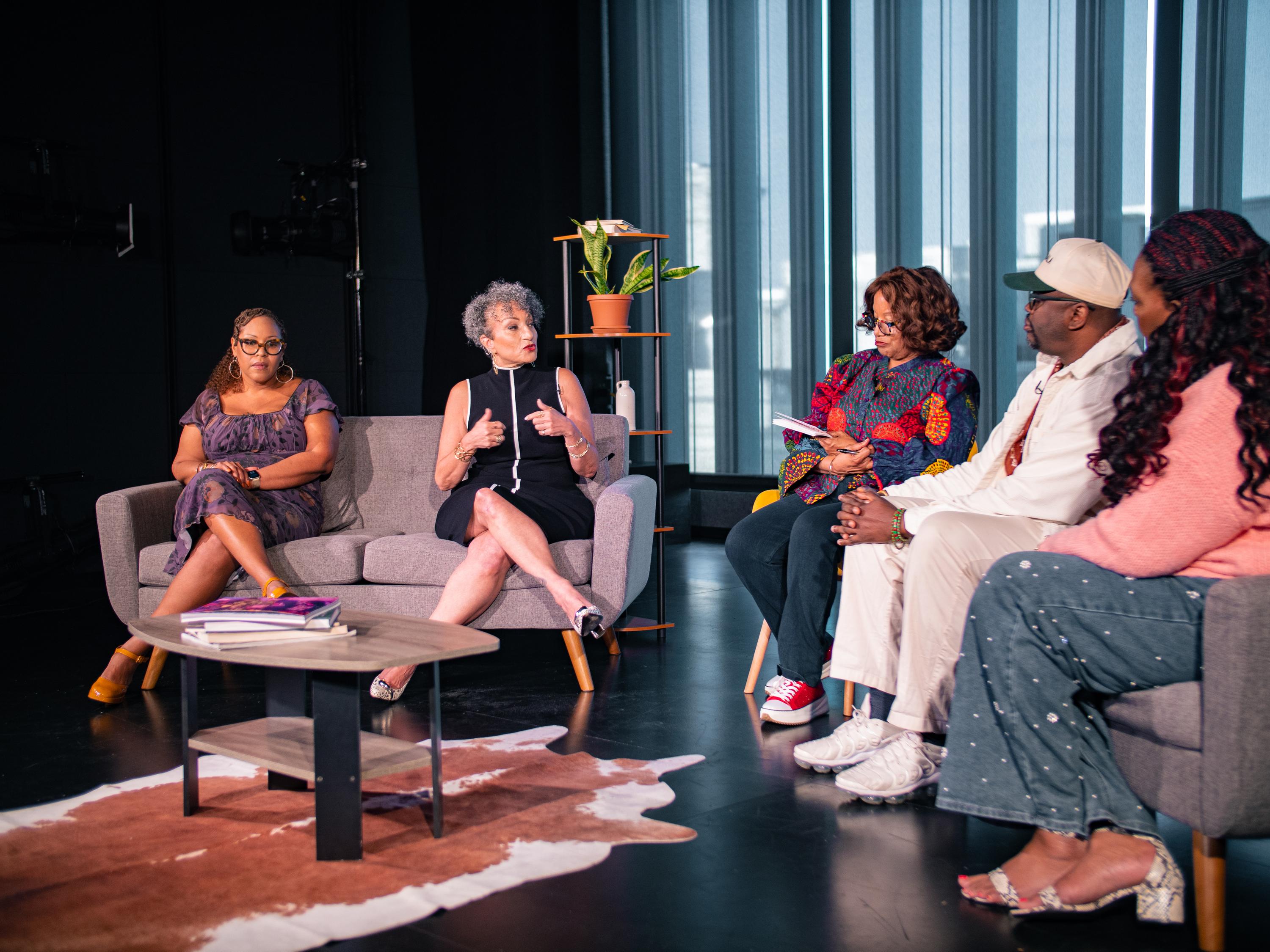
Symbolic support is easy—post a hashtag, share a quote, look woke. But real change? That’s about shared power: budgets, seats at the table, co-governance. If you’re tired of performative allyship and want to see resource redistribution and women’s voices in social justice actually matter, this is your moment. Let’s break down how urban communities can move from empty signals to real power-sharing—and why Brooklyn Savvy’s latest episode is your next must-watch. Check it out here.
Moving Beyond Performative Allyship
Unpacking Symbolic Support
Many people feel good about supporting social justice causes. A hashtag here, a shared post there, and it seems like they’re making a difference. But these actions, while well-intentioned, often don’t lead to real change. This type of support is often more about looking good than doing good.
Symbolic support might help to raise awareness, but it rarely challenges the status quo. You might see it in viral campaigns or trendy hashtags that fade quickly. This kind of support is like a wave, big and noticeable, but it doesn’t last. For real change, we need more than just symbols. We need structures that shift power and resources to those who need them.
The Shift to Shared Power
Moving past symbolic gestures requires a focus on shared power. Shared power is about involving everyone in decision-making processes. It’s not just about having a voice but ensuring that voice has weight. This means creating opportunities where diverse voices are heard and valued in meaningful decisions.
When communities share power, they make decisions that reflect the needs and desires of all members. It’s about taking action that leads to equitable outcomes. Sharing power involves deliberate efforts to include marginalized voices in leadership roles. You can’t just talk about change; you have to build it into the system.
Practical Pathways to Shared Power

From Signals to Structures
Turning symbolic actions into real change means building structures that distribute power. This involves creating roles and systems where everyone can contribute and lead. You start by identifying where power is concentrated and then finding ways to distribute it.
-
Create Inclusive Spaces: Foster environments where all voices are valued.
-
Share Decision-Making: Encourage collaborative leadership at all levels.
-
Redistribute Resources: Ensure equitable access to resources and opportunities.
Shifting from signals to structures requires intentionality. It’s not enough to talk about diversity; it needs to be embedded in how decisions are made and who gets to make them.
Community-led Solutions in Action
Real change comes from the ground up. Community-led solutions are driven by those who experience the issues firsthand. When communities take charge, they create solutions that are relevant and effective. This approach empowers local voices to lead the charge for change.
Projects that are led by community members often see higher success rates. People are more invested when they have a hand in shaping the outcome. Local leaders know what their communities need and can tailor solutions accordingly. This kind of leadership fosters a sense of belonging and pride, making change sustainable.
-
Example: In various urban areas, community gardens have transformed spaces, providing food and education while building community ties. These gardens are a testament to local knowledge and shared effort.
Building Inclusive Leadership

Women’s Voices at Decision-making Tables
Women bring unique perspectives to leadership, especially in social justice spaces. Including women in decision-making roles is crucial for achieving equitable outcomes. When women’s voices are present at the table, policies and solutions become more comprehensive and inclusive.
Creating inclusive leadership means actively seeking out and valuing the contributions of women. This is particularly important in spaces where they have been historically underrepresented. It’s not just about having women in the room, but ensuring they are integral to the decision-making process.
Power-sharing and Co-governance in Urban Communities
Urban communities are vibrant and diverse, but they face unique challenges. Co-governance involves sharing leadership across different community sectors. This model ensures that decisions reflect the diverse needs of urban populations.
-
Support Collaborative Efforts: Encourage partnerships between local governments and community groups.
-
Promote Transparency: Ensure decision-making processes are open and accessible.
-
Encourage Civic Engagement: Create avenues for public participation and feedback.
Co-governance ensures that leadership is not a privilege of few but a shared responsibility of many. By embracing power-sharing, urban communities can create more equitable and effective solutions.
Frequently Asked Questions
What is performative allyship?
Performative allyship refers to actions that seem supportive of social justice without leading to real change. It’s often more about appearance than impact.
How can communities move from symbolic support to shared power?
Communities can move towards shared power by creating inclusive spaces, sharing decision-making, and redistributing resources to reflect equitable values.
What role do women play in social justice leadership?
Women bring critical perspectives to social justice leadership, ensuring diverse and inclusive decision-making that better reflects the needs of all community members.
How does co-governance benefit urban communities?
Co-governance allows urban communities to share leadership roles, ensuring decisions meet the needs of diverse populations and promote equitable solutions.
Why are community-led solutions more effective?
Community-led solutions are more effective because they are driven by those who experience the issues firsthand, ensuring relevance and commitment to change.


Leave a Reply